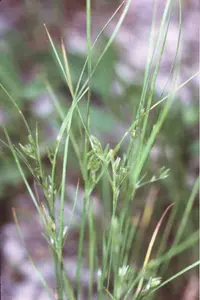
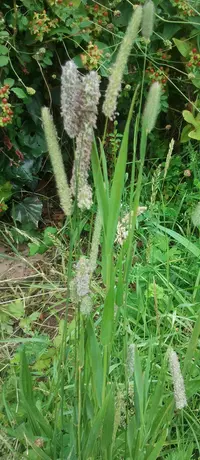
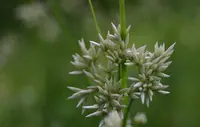
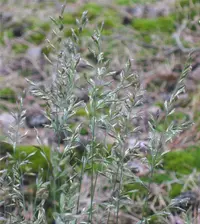
poverty rush Care (Juncus tenuis)

Also known as: Slender rush, Slender Path Rush, path rush
poverty rush

About poverty rush

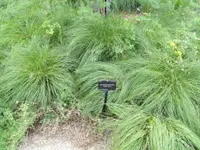
Poverty rush (Juncus tenuis) is a small, grass-like rush that forms thin, upright clumps of wiry green stems. It often looks like a delicate grass but belongs to the rush family.

This species naturally occurs in North America along paths, compacted soils, lawns, and open, disturbed ground, where many other plants struggle. It tolerates poor soil, foot traffic, and a wide range of moisture, which makes it relatively easy to grow.

In gardens, Juncus tenuis is sometimes used in naturalistic plantings, rain gardens, or low-maintenance areas. Those who want to care for poverty rush should know it prefers at least moderate moisture and does best in open, sunny to lightly shaded spots.


Main Plant Requirements

Care Difficulty

Easy Care

Light Preference

Full Sun

Water Requirements

Regular Water

Temperature Preference

Cold Hardy

Hardiness Zone

3–9

Soil Texture

Sandy, Loamy, Clay

Soil pH

Acidic (5.5–6.5), Slightly acidic (6.5–7.0)

Soil Drainage

Waterlogged tolerant

Fertilization

Minimal (feed rarely)

Get Personalized Care Plan

Scan your plant to receive care tips personalized for your specific plant

Available on iOS and Android

How to Care for the poverty rush

This small rush prefers consistent moisture and moderate sun exposure in open habitats.

  • Provide 4–6 hours of sun daily, ideally with gentle morning sun and light afternoon shade, especially in hotter regions.
  • Allow light to partial shade; poverty rush adapts in open woods and roadsides but becomes thin and floppy in dense shade.
  • In full exposed sites, combine sun with constantly moist soil to prevent leaf tip scorching, and expect stronger growth from spring to early summer when days lengthen.

This species is naturally adapted to moist to wet soils and does poorly if allowed to dry out completely.

  • Aim for soil that stays consistently damp; surface may dry slightly between rains, but the top 2–3 cm should not turn dusty or hard.
  • In wet meadows or ditches, Juncus tenuis tolerates standing water for short periods if the soil contains some mineral content and is not stagnant.
  • Watch for curling, browning tips as a sign of underwatering and yellowing, soft stems as possible overwatering in compacted, oxygen-poor soils.

This rush is quite hardy and withstands a broad temperature range across temperate climates.

  • Optimal growth occurs around 60–77°F (16–25°C), especially in spring and early summer when soil moisture is high.
  • Plants tolerate winter down to about -20°F (-29°C) when established, with foliage often dying back and regrowing from the base in spring.
  • In summer heat above 86°F (30°C), maintain high soil moisture and some light shade to reduce stress and prevent desiccation of fine roots.

Humidity is rarely critical for Juncus tenuis, which naturally tolerates a wide range of moisture in the air.

This species thrives in consistently moist, fine-textured soil that does not dry out fully.

  • Use a loamy or clay-loam mix enriched with organic matter such as compost to mimic naturally damp habitats.
  • Aim for mildly acidic to neutral pH around 6.0–7.0, avoiding strongly alkaline or saline substrates that restrict nutrient uptake.
  • Ensure slow to moderate drainage; soil should stay evenly damp but not stagnant or foul-smelling.
  • In containers, combine 2 parts compost-rich loam with 1 part sand or fine grit to maintain moisture while preventing waterlogging.

This species is suitable for containers if moisture is kept consistently high.

  • Select a deep, heavy container to anchor the upright clumps and reduce tipping in wind or on exposed patios.
  • Use a saucer or outer cachepot that allows temporary standing water, then empty before the water becomes stagnant.
  • Place the pot where runoff from roofs or irrigation can regularly refill moisture, ensuring the mix never fully dries.

This tough native rush usually needs minimal feeding, especially in reasonably fertile soil.

  • If growth is weak, apply a balanced 10-10-10 or similar NPK at 1/2 strength once in mid-spring for Juncus tenuis.
  • Use a light top-dressing of compost instead of frequent liquid feed, especially in naturalized or meadow plantings.
  • Avoid fertilizing in late fall or winter when growth is dormant to prevent soft, frost-prone tissue.

Basic pruning keeps Juncus tenuis tidy and prevents dense clumps from collapsing.

  • Cut back dead, brown, or damaged stems at the base in late winter or very early spring before new growth elongates.
  • Thin crowded interior stems with sharp scissors or hand pruners to improve air flow and reduce lodging in heavy rain.
  • Shape by trimming the outermost leaning stems only, maintaining a natural tufted form without shearing flat.

This species is more often transplanted in the ground than grown long-term in containers.

  • Transplant or divide clumps in early spring or early fall, when temperatures are mild and soil stays evenly moist.
  • Look for signs such as congested, woody centers or slow growth to decide when a clump needs lifting and resetting.
  • Dig widely around the root zone, lift the clump with as much soil as possible, and replant at the same depth.
  • Water thoroughly after transplanting and keep soil consistently moist for several weeks to limit root stress.

Juncus tenuis is commonly propagated by division and by seed for restoration or meadow plantings.

  • Divide mature clumps in early spring, separating sections with several shoots and healthy roots for replanting.
  • Sow fresh seed on the soil surface in fall or early spring; light and cool to mild conditions improve germination.
  • Keep seed trays or new divisions evenly moist, as this rush is not tolerant of prolonged drying during establishment.
  • For caring for poverty rush, label seed-sown batches clearly, because seedlings resemble other fine-textured rushes and grasses.

This cold-hardy rush usually needs little special winter care in most temperate climates.

  • Established in-ground plants tolerate typical frost and freeze in USDA zones where they are native.
  • Allow foliage to brown naturally; cut back dead stems in late winter rather than fall for crown protection.
  • For container plants in very cold areas, move pots to a sheltered, unheated but frost-sheltered spot and water sparingly.

Care Tips

Mimic traffic disturbance

For denser, more stable clumps along paths, very lightly step on or roll over established plants once or twice a season, which mimics the low-level foot or wheel traffic this species experiences in the wild and encourages tighter, shorter growth rather than floppy stems.

Edge-path stabilization

Plant in a narrow strip between hardscape (like gravel paths or pavers) and open soil, then top-dress with a thin layer of fine gravel to anchor the crowns and reduce soil splash, which helps prevent erosion and keeps foliage cleaner for easier maintenance when growing poverty rush.

Targeted mowing management

In lawns or utility strips, set the mower a bit higher over established clumps in early summer so stems are trimmed but not scalped, which maintains green growth while allowing the plant to outcompete lower-growing weeds without taking over the entire area.

Compacted-soil integration

Use this species deliberately in compacted or high-traffic transition zones where other perennials struggle, but limit planting to defined bands or patches so its fine root system binds the soil and reduces mud without making the whole area difficult to rework later.

Seed bank control

If self-seeding becomes excessive, cut or string-trim the plants just as the seedheads turn from green to brown, collecting or raking up the cut stems, which sharply reduces volunteer seedlings while still allowing you to keep established clumps in place.

Common Pests and Diseases

Rust fungus

This disease causes orange to brown powdery pustules on stems and leaf-like rush blades, sometimes leading to yellowing and premature dieback. Symptoms include rough, slightly raised spots that release rusty spores when touched.

Solution

Remove and dispose of heavily infected clumps to reduce spore load, and avoid overhead watering to keep foliage as dry as site conditions allow. Improve spacing and airflow, and if rust recurs in managed plantings, use a labeled sulfur or chlorothalonil fungicide applied according to local restrictions and product directions.

Leaf spot

This disease produces small, dark water-soaked lesions on the rush stems and blades that can merge into larger dead patches under prolonged moisture. Symptoms include thinning foliage and an overall dull, patchy appearance in the clump.

Solution

Trim and discard affected foliage to remove infected tissue and reduce splash spread, and reduce irrigation frequency so the soil stays moist but not constantly saturated. Improve air circulation around plants, and in nursery or high-value plantings consider a preventive copper-based fungicide during extended wet periods if leaf spots are persistent.

Aphids

These insects cluster on young shoots and stem bases, sucking sap and causing slight curling, distortion, and sticky honeydew that can attract sooty mold. This pest is more common on plants grown in containers or nutrient-rich, sheltered sites.

Solution

Rinse colonies off with a firm stream of water, repeating every few days until populations drop, and encourage natural predators such as lady beetles by avoiding broad-spectrum insecticides. For persistent infestations in container or managed beds, use insecticidal soap or a light horticultural oil, coating stems thoroughly but avoiding application during high heat above about 85°F.

Spider mites

These pests are tiny sap-sucking arachnids that cause fine speckling, bronzing, and dull, dry-looking foliage, often with delicate webbing low in the clump. This pest is more likely when poverty rush is grown in hot, dry, exposed conditions or in containers that dry out frequently.

Solution

Increase humidity around the plant where feasible and regularly hose down clumps, directing water into the foliage to dislodge mites. If damage continues, apply insecticidal soap or a labeled miticidal horticultural oil, ensuring thorough coverage of stems and inner foliage while avoiding applications in full sun during peak heat.

Crown rot

This disease leads to browning and collapse of shoots from the base, with a soft or blackened crown and poor regrowth, especially in warm, stagnant water or compacted, poorly aerated soils. Symptoms include thinning clumps and foul-smelling, decaying tissue at the soil line.

Solution

Improve drainage and soil aeration by relieving compaction, reducing standing water depth, or relocating plants from chronically stagnant areas, since Juncus tenuis care tolerates moisture but not low-oxygen, anaerobic conditions at the crown. Remove and discard severely affected plants and avoid replanting rushes in the same poorly drained spot; in container culture, repot into fresh, well-structured substrate and avoid burying the crown too deeply.

Interesting Facts

Traffic-tolerant rush

This species often colonizes compacted soils along footpaths, trails, and even lightly used vehicle tracks, tolerating disturbance that many wetland plants cannot endure.

Wide habitat flexibility

Although naturally associated with moist meadows and ditches, it can also survive in periodically dry, nutrient-poor, and slightly shaded sites, which helps explain its broad distribution across North America and beyond.

Tiny but prolific seeds

The plant produces numerous very small seeds that are easily spread by water, mud on shoes or tires, and animal movement, aiding its rapid spread along human-made corridors.

Botan icon

Did you know?

Juncus tenuis is considered a characteristic species of the globally recognized plant community known as the Juncus tenuis–Coronilla varia semi-natural grassland, which often develops along roadsides and disturbed rights-of-way in temperate regions.

FAQs about poverty rush

This species spreads slowly by short rhizomes and self-seeding, usually forming loose clumps rather than dense mats. It can naturalize in disturbed, moist sites but is rarely a serious garden problem if space is monitored.

Grow Healthy Plants with Botan Care

Keep your plants happy and healthy with plant identification, disease detection, and easy care guidance.

Botan plant care app — identify plants on mobile

Explore More Plants