Blue Fescue Care (Festuca glauca 'Elijah Blue')

Blue Fescue

About Blue Fescue

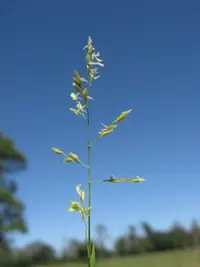
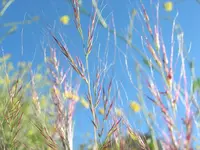
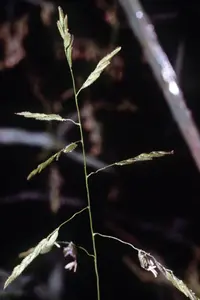
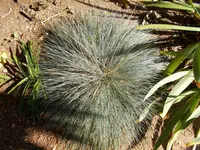
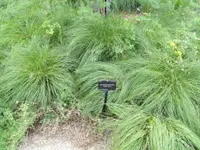
Blue fescue (Festuca glauca 'Elijah Blue') is a compact, clump-forming ornamental grass grown mainly for its steel-blue foliage. It keeps a neat, dome-shaped mound that suits borders, rock gardens, and containers.

This cultivar originates from European fescue species adapted to dry, open, sunny habitats. The foliage color is strongest in full sun and with relatively lean, well-drained soil.

Plants are generally low maintenance and long lived when kept out of overly wet, heavy soils. Once established, they tolerate short dry periods, which makes it easier to care for Blue Fescue in typical garden conditions.

Main Plant Requirements

Care Difficulty

Easy Care

Light Preference

Full Sun

Water Requirements

Low Water

Temperature Preference

Cold Hardy

Hardiness Zone

4–8

Soil Texture

Sandy, Loamy, Rocky

Soil pH

Slightly acidic (6.5–7.0), Neutral (7.0)

Soil Drainage

Well-drained

Fertilization

Minimal (feed rarely)

Get Personalized Care Plan

Scan your plant to receive care tips personalized for your specific plant

Available on iOS and Android

How to Care for the Blue Fescue

This cool-season grass develops its best blue color in bright, open conditions with plenty of sun.

  • Provide 6–8 hours of direct sun daily; morning sun with some light afternoon shade helps prevent leaf scorch in very hot climates.
  • Tolerates light or dappled shade for part of the day, but Blue Fescue becomes looser and less blue if grown in less than about 4 hours of direct light.
  • In summer, monitor for bleaching or crispy tips in intense afternoon sun; in winter, full sun helps maintain tuft density and color.

This drought-tolerant ornamental grass prefers to dry slightly between waterings rather than sit in consistently wet soil.

  • In the ground, water deeply, then allow the top 5–7 cm of soil to dry before watering again; established clumps often need only occasional deep soaking in normal rainfall areas.
  • Use sharply drained, gritty or sandy soil so excess water moves away from the root zone and does not pool around the plant crown.
  • Signs of overwatering include yellowing, mushy bases, and rot at the crown, while underwatered Festuca glauca 'Elijah Blue' shows widespread browning and brittle, straw-like foliage.

This hardy grass thrives in cooler conditions but tolerates a wide temperature range once established outdoors.

  • Best active growth occurs around 60–75°F (16–24°C), especially in spring and early summer when soils are cool and moisture is moderate.
  • Typically hardy to about -20°F (-29°C) in the ground, surviving normal frosts, snow, and winter freezes without protection in many temperate regions.
  • Tolerates summer heat up to about 90°F (32°C) if soil drains well and roots are not waterlogged; prolonged hot, humid conditions may cause thinning, so remove dead foliage to maintain vigor.

Humidity is rarely a concern for Festuca glauca 'Elijah Blue', which is adapted to dry outdoor air.

  • Performs well in 30–50% humidity and tolerates drier conditions typical of most temperate climates.
  • Leaves that brown from the tips downward usually indicate water or heat stress rather than low humidity.
  • If grown in an unusually arid, windy spot, shelter with nearby plants or low windbreaks to reduce moisture loss.

Festuca glauca 'Elijah Blue' prefers lean, fast-draining soil that mimics dry, rocky grassland conditions.

  • Use a sandy or gritty loam with 30–50% mineral material such as coarse sand, fine gravel, or pumice to keep pores open.
  • Aim for slightly acidic to neutral soil, roughly pH 6.0–7.5, avoiding strongly acidic or alkaline extremes.
  • Mix a small amount of compost (no more than 20% of the volume) to provide nutrients without making the soil heavy or waterlogged.
  • Avoid dense clay, thick peat-based mixes, or areas where water collects, as these conditions encourage root and crown rot.

This grass is well suited to container growing outdoors when drainage and stability are managed carefully.

  • Choose a wide, shallow to medium-depth pot that matches the plant’s clumping root system rather than an unnecessarily deep container.
  • Select a heavier material such as ceramic or concrete if the site is windy, since the fine foliage can act like a sail and tip light pots.
  • Raise the container on feet or bricks so drainage holes stay clear and water cannot pool under the base after rain or irrigation.

This compact grass needs only light feeding to maintain its blue foliage and dense clumps.

  • Apply a thin layer of compost or a low-dose, balanced granular fertilizer (around 10-10-10) in early spring to support new growth.
  • Use slow-release fertilizer sparingly, as Blue Fescue dislikes rich, high-nitrogen soils that push soft, floppy foliage.
  • Feed once per growing season in most soils; skip feeding on very fertile or amended beds.
  • Stop fertilizing in late summer and do not feed in winter to avoid forcing tender, cold-sensitive growth.

Pruning keeps Festuca glauca 'Elijah Blue' tight, clean, and visually tidy.

  • In late winter or very early spring, comb or trim out dead, straw-colored blades using fingers or gloved hands and clean shears.
  • Shear the clump lightly, reducing height by up to one-third to refresh foliage without cutting into the crown.
  • Remove damaged, diseased, or excessively crowded tufts during the season to maintain airflow and reduce rot risk.
  • Cut spent flower stalks at the base after they dry if a neater, more rounded mound is desired.

This grass is usually grown in the ground but can be transplanted or shifted in containers when it shows stress or crowding.

  • Plan transplanting or repotting for early spring or early fall when temperatures are mild and soil moisture is steady.
  • Look for roots circling the container, water running straight through, or slowed growth as signs a potted clump needs more space.
  • Divide and replant crowded outdoor clumps every 3–4 years to renew vigor and maintain a tight, rounded form.
  • Lift carefully with a trowel, keep the root ball intact, water well after planting, and shade lightly for a few days to reduce root stress.

Division is the most reliable method for renewing and multiplying Festuca glauca 'Elijah Blue'.

  • Divide mature clumps in early spring or early fall when soil is cool and moisture is consistent.
  • Lift the plant with a fork or trowel and gently pull or cut the crown into several firm pieces, each with healthy roots and shoots.
  • Replant divisions at the same depth in sharply drained soil, spacing them to allow air circulation and reduce rot.
  • Keep soil lightly moist, not wet, for the first 2–3 weeks so new roots establish before normal low-water conditions resume.

This cool-season grass is quite cold hardy and usually needs little special winter care in the ground.

  • Tolerates frost and freezing in most temperate climates, remaining evergreen or semi-evergreen depending on winter severity.
  • Apply a thin layer of mulch around, but not over, the crown in colder regions to moderate soil temperature.
  • For containers, ensure pots drain freely and move them to a sheltered spot to limit freeze-thaw stress on roots.

Care Tips

Annual Comb-Out

Once each spring, wear gloves and gently comb through the clump with your fingers or a small hand rake to pull out dead, tan foliage so new blue blades show clearly and air can move through the plant.

Clump Division Rotation

Every 2–3 years, divide only the oldest, most open clumps in early spring, replanting vigorous outer sections and discarding woody centers to keep the planting uniform and dense over time.

Winter Drainage Check

Before winter in colder or wetter regions, top up gravel or coarse sand around the base to keep the crown slightly elevated and reduce the risk of rot from standing water or melting snow.

Use Inorganic Mulch

Mulch around, but not touching, the clumps with gravel or small stones instead of organic mulches so the foliage stays dry, the crown does not rot, and the blue color remains clean and visible.

Container Rejuvenation

For container plantings, replace the top 3–5 cm of potting mix each spring and lightly tease apart the outer roots so the grass keeps its tight mound and does not become root-bound when caring for Blue Fescue.

Common Pests and Diseases

Rust

This disease causes small orange, brown, or yellow pustules on leaves and can make clumps look thin and tired. Symptoms include premature browning and early dieback of foliage, especially in humid or crowded plantings.

Solution

Remove and dispose of the most affected leaves and any heavy thatch to improve air movement around the clump. Reduce overhead watering, water early in the day, space plants so they dry quickly, and if the problem is persistent, use a labeled fungicide for turf-type rusts according to the product directions.

Leaf spot

This disease produces tan, brown, or purplish spots and streaks on the narrow blades, which may merge and cause patches of foliage to die back. Symptoms include patchy discoloration that worsens in warm, wet conditions or where irrigation keeps foliage wet for long periods.

Solution

Trim out the worst-affected foliage and dispose of it, then adjust watering so the foliage dries quickly and the soil is not constantly wet. Improve air circulation by thinning crowded clumps or dividing and replanting, and if needed apply a grass-safe fungicide at the first sign of new spotting.

Crown rot

This disease attacks the base of the clump where leaves meet roots, leading to a collapsing center that turns brown and mushy while some outer leaves stay green. Symptoms include sudden decline of individual tufts in poorly drained or overwatered sites.

Solution

Dig out and discard severely affected plants, including the soft crown tissue, and improve drainage by amending soil or raising the planting area before replanting. For mild cases, reduce watering, avoid mulch piled against the crown, and divide and replant only firm, healthy outer sections into well-drained soil.

Nematode damage

These microscopic worms feed on roots and can cause slow, patchy decline, stunting, and thinning of clumps without obvious above-ground pests. Symptoms include poor recovery after stress and weak growth even when water and nutrients are adequate.

Solution

Remove and discard the weakest, most affected clumps and avoid replanting Blue Fescue in the same exact spot if damage is severe. Improve soil health with organic matter, maintain good drainage, avoid overfertilizing with high nitrogen, and rotate with less-susceptible ornamentals to lower nematode pressure over time.

Grass mealybugs

These insects can cluster near the base of foliage or on roots, producing white cottony masses and sucking sap, which leads to yellowing and thinning. This pest tends to hide in dense clumps and can be overlooked until plants lose vigor.

Solution

Pull back foliage and physically remove or squash visible colonies, then rinse the base of the plant with a firm stream of water to dislodge remaining insects. For persistent infestations, drench the crown and surrounding soil with an insecticidal soap or horticultural oil labeled for ornamental grasses, repeating as needed while also thinning clumps to reduce hiding places.

Interesting Facts

Stable powder-blue color

This cultivar was selected for its unusually consistent icy blue foliage, which keeps its color better through summer heat than most other blue fescue selections when grown in full sun and well-drained soil.

Compact clumping habit

Festuca glauca 'Elijah Blue' forms tight, hemispherical clumps that typically stay around 20–25 cm tall, which makes it highly predictable in landscape design compared with seed-grown blue fescue strains that vary more in size and form.

Seed variability in offspring

Although the parent plant is a named cultivar, seedlings from its flowers usually lose the uniform blue color and compact habit, so gardeners maintain it by division rather than seed when aiming to grow Festuca glauca 'Elijah Blue' true to type.

Botan icon

Did you know?

This grass is often used in urban rooftop and gravel plantings because its dense fibrous root system and drought tolerance allow it to anchor into shallow, fast-draining substrates where many other ornamental grasses fail to establish reliably.

FAQs about Blue Fescue

Yellowing often comes from excess moisture, poor drainage, or aging foliage in the plant’s center. Improve drainage, remove soggy mulch, and trim old clumps. For detailed prevention, many gardeners follow structured Festuca glauca 'Elijah Blue' care instructions.

Grow Healthy Plants with Botan Care

Keep your plants happy and healthy with plant identification, disease detection, and easy care guidance.

Botan plant care app — identify plants on mobile

Explore More Plants