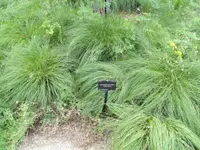
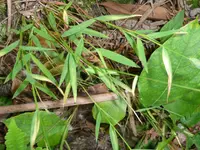
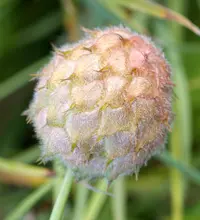
Autumn moor grass Care (Sesleria autumnalis)

Autumn moor grass

About Autumn moor grass

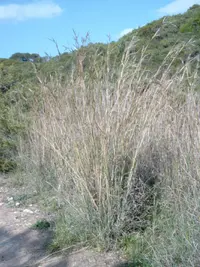
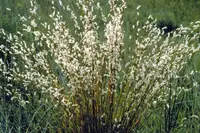
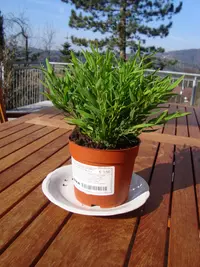
Autumn moor grass (Sesleria autumnalis) is a compact, clump-forming ornamental grass valued for its fine, bright green foliage. It forms neat tufts that create soft, low mounds, often used to edge paths, fill borders, or provide a calm groundcover.

This species is native to central and southern Europe, where it grows in open meadows and rocky slopes. It is generally hardy, long-lived, and tolerant of wind and cooler conditions, which makes it reliable in many temperate gardens.

Sesleria autumnalis prefers sun to light shade, with well-drained soil and moderate moisture. Its durability and low maintenance needs make it straightforward to care for Autumn moor grass in urban and suburban landscapes.

Main Plant Requirements

Care Difficulty

Easy Care

Light Preference

Full Sun

Water Requirements

Moderate Water

Temperature Preference

Cold Hardy

Hardiness Zone

4–8

Soil Texture

Sandy, Loamy, Clay

Soil pH

Slightly acidic (6.5–7.0), Slightly alkaline (7.0–7.5)

Soil Drainage

Well-drained

Fertilization

Minimal (feed rarely)

Get Personalized Care Plan

Scan your plant to receive care tips personalized for your specific plant

Available on iOS and Android

How to Care for the Autumn moor grass

This cool-season grass prefers consistent light, with some protection from strong afternoon sun.

  • Provide 4–6 hours of direct morning sun or bright, open light; light afternoon shade prevents leaf scorch in hot summers.
  • Tolerates partial shade (2–4 hours sun), but Autumn moor grass may grow looser and less compact with fewer flower spikes.
  • In cooler climates, full sun is suitable, while in hotter regions, position on an east or north exposure or near light-filtering shrubs or trees.

This grass prefers evenly moist but not saturated soil, especially while establishing.

  • Allow the top 3–5 cm of soil to dry before watering, then soak deeply so moisture reaches the root zone, especially during the first growing season.
  • Once established, Sesleria autumnalis handles short dry spells; in summer drought, watch for folding or browning leaf tips as a cue to irrigate.
  • Use well-drained soil or raised beds to prevent standing water, which can cause root rot, limp foliage, and a sour smell from the soil.

This hardy grass tolerates a broad temperature range but grows best in cool to mild conditions.

  • Optimal growth occurs around 55–75°F (13–24°C), with most active growth in cool spring and fall weather.
  • It survives winter cold down to about -20°F (-29°C) in the ground, especially with mulch protecting the root zone from freeze–thaw cycles.
  • In summer, it tolerates up to about 85–90°F (29–32°C) if soil moisture is maintained; prolonged hotter, dry periods may cause tip browning and semi-dormancy.

Humidity is not a significant factor for Sesleria autumnalis, which adapts well to typical outdoor conditions in temperate climates.

Sesleria autumnalis prefers mineral, well-drained soil that does not stay waterlogged.

  • Use a sandy or gravelly loam with moderate organic matter, aiming for a loose, crumbly structure that resists compaction.
  • Ensure sharp drainage by incorporating coarse sand or fine gravel at 20–30% of the mix, especially in wetter climates or heavier soils.
  • Target a slightly alkaline to neutral pH around 6.8–7.5; add garden lime if native soil is distinctly acidic.
  • Avoid heavy clay or peat-heavy mixes that hold water for long periods, since persistent saturation promotes root rot.

This grass is suitable for container growing in outdoor settings, especially in sunny patios or terraces.

  • Choose a wide, relatively shallow container to match its fibrous root system and reduce the risk of the clump becoming pot-bound too quickly.
  • Select a heavier material such as ceramic or concrete to stabilize the tufted foliage in windy, exposed positions.
  • Elevate the pot slightly on feet or spacers so drainage holes stay clear and excess water can exit rapidly after rainfall or irrigation.

This grass is modest in its nutrient needs, so light feeding is sufficient for healthy growth in most garden soils.

  • Apply a balanced slow-release fertilizer (around 10-10-10) once in early spring as new growth starts.
  • Use a low dose or half-strength product to avoid lush, floppy foliage in Autumn moor grass.
  • In richer soils, replace synthetic products with a thin layer of compost around the clumps.
  • Stop feeding by late summer and avoid fertilizing in winter when growth is minimal.

Pruning Sesleria autumnalis focuses on tidying old foliage rather than reshaping the plant.

  • Cut back dead or straw-colored leaves in late winter or very early spring before fresh growth emerges.
  • Remove damaged or diseased blades and spent flower stems during the season using sharp hand shears.
  • Thin out congested clumps lightly to maintain air flow and a neat, tufted habit.
  • Avoid cutting into the crown too hard, as this can slow recovery and reduce density.

This species is most often grown in the ground, so attention focuses on transplanting and dividing established clumps.

  • Plan transplanting or division in early spring or early fall when temperatures are mild.
  • Look for signs such as thinning centers, crowded clumps, or roots circling a container if grown in pots.
  • Lift the clump with a fork, gently tease or cut it into sections with healthy roots, and replant at the same depth.
  • Water thoroughly after planting, then keep soil evenly moist for several weeks to reduce root stress and support re-establishment.

Propagation of Sesleria autumnalis is straightforward by division, with seed used less often in home gardens.

  • Divide mature clumps every 3–5 years in early spring or early fall, when conditions are cool and moist.
  • Lift the plant, split it into several pieces with a sharp spade or knife, and retain multiple shoots per division.
  • Replant divisions promptly at original depth in well-drained soil, spacing them to allow future clump expansion.
  • For seed, sow fresh seed in trays of moist, free-draining mix and keep cool; germination is often slow and uneven.

This cool-season grass is generally cold hardy and needs minimal winter intervention in typical temperate climates.

  • Tolerates frost and light freezes once established, especially in well-drained soil.
  • Leave most foliage standing over winter to protect the crown and provide structure, then cut back in late winter.
  • In very cold or exposed sites, apply a thin mulch layer around the base to buffer freeze–thaw cycles.
  • Container-grown plants in colder zones benefit from moving to a sheltered, unheated but frost-sheltered spot.

Care Tips

Shear For Renewal

Cut the foliage back to 5–8 cm in late winter before new shoots emerge to remove old, matted blades and keep the clump looking fresh and upright through the season.

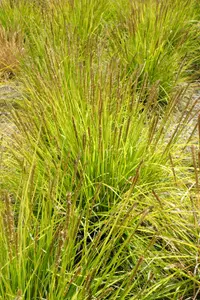
Use Gravel Mulch

Apply a 2–3 cm layer of fine gravel or grit around the base instead of organic mulch to keep the crown dry, reduce rot risk, and showcase the tufted habit in wet climates.

Divide To Rejuvenate

Every 3–5 years, lift and split congested clumps in early spring, discarding the woody center and replanting only the younger outer sections to maintain vigor and dense growth.

Staggered Planting Design

Plant in small, offset groups (drifts of 3–7 plants at 30–40 cm spacing) to create a stable, interlocking matrix that resists lodging in wind and frames perennials or bulbs effectively.

Leave Winter Structure

In colder regions, leave seedheads and foliage standing over winter to protect the crown from freeze–thaw cycles and provide habitat, then cut back just before new season growth when caring for Autumn moor grass.

Common Pests and Diseases

Rust

This disease causes small orange, brown, or yellow pustules on leaf blades, often appearing in late summer on dense, older clumps.

Solution

Remove and dispose of heavily marked leaves, then thin or divide congested clumps to improve airflow and reduce leaf wetness duration; if rust recurs in damp climates, apply a labeled ornamental grass fungicide according to instructions and avoid overhead watering where possible.

Leaf spot

This disease produces tan to dark brown spots or streaks along the leaves, which can merge and give the foliage a scorched appearance in humid or wet conditions.

Solution

Cut out and discard affected foliage, water at soil level in the morning so leaves dry quickly, and increase spacing or divide plants to reduce humidity; in persistent cases, use a broad-spectrum fungicide labeled for ornamental grasses and rotate products to reduce resistance.

Aphids

These insects form soft clusters on new shoots and flowering stems, sucking sap and sometimes leaving a sticky honeydew that can attract sooty mold on foliage.

Solution

Spray colonies off with a firm stream of water, then encourage or introduce natural predators such as lady beetles; for larger populations, treat with insecticidal soap or a light horticultural oil, ensuring thorough coverage of both sides of the leaves while following label directions for Sesleria autumnalis care.

Spider mites

This pest thrives in hot, dry conditions and can cause fine stippling, dulling, or bronzing of leaves, sometimes with delicate webbing deep in the clump.

Solution

Increase humidity around the plant and regularly hose down foliage, focusing on the base of the clump to disrupt colonies; if damage continues, apply insecticidal soap or a miticide labeled for ornamental grasses, repeating as directed and avoiding treatment during high heat to prevent leaf burn.

Interesting Facts

Lime foliage contrast

The pale yellow‑green leaves of this species keep their color well into autumn, creating a strong contrast when planted near darker evergreen shrubs or purple‑leaved perennials in temperate gardens.

Calcicole grass specialist

Sesleria autumnalis naturally favors alkaline, lime‑rich soils in its native central and southeastern European range, so it often thrives on thin, rocky, or chalky sites where more nutrient‑demanding grasses struggle.

Cool‑season growth pattern

This grass is a cool‑season species, putting on most of its growth in spring and early autumn, which allows it to stay fresh‑looking when many warm‑season ornamental grasses are still dormant or already declining.

Botan icon

Did you know?

In European plant breeding and landscape design, Sesleria autumnalis has been used as a parent and reference species for selecting low‑maintenance ornamental grasses that maintain structure and color well into the colder months, influencing modern naturalistic planting styles.

FAQs about Autumn moor grass

This species is semi-evergreen in many temperate climates. Foliage often stays green through mild winters but may partially brown in colder areas. Light trimming in late winter refreshes the clump and maintains a tidy appearance.

Grow Healthy Plants with Botan Care

Keep your plants happy and healthy with plant identification, disease detection, and easy care guidance.

Botan plant care app — identify plants on mobile

Explore More Plants