Staggered Clump Renewal
Every 3–4 years, cut back and remove a few of the oldest, most congested clumps at ground level in late winter to prevent center die-out and keep stands upright and airy.

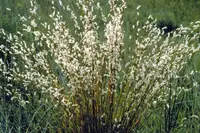
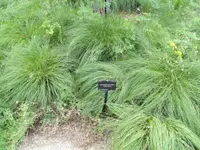
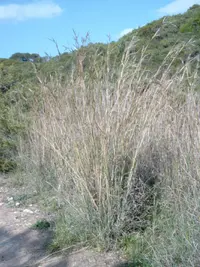
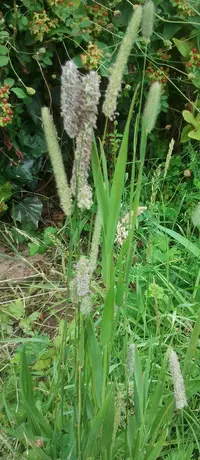
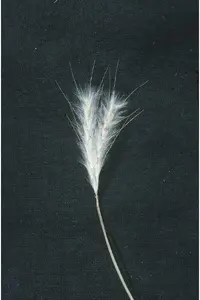
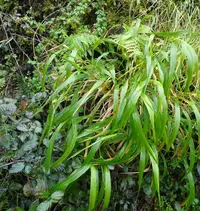
Little bluestem, Schizachyrium scoparium, is a warm-season perennial bunchgrass native to prairies, open fields, and roadsides across much of North America. It forms upright clumps with fine, blue-green summer foliage that often turns copper, red, or purple in fall. Slender seed heads add texture and movement in the wind. This grass is adapted to sun, lean soils, and dry conditions, which makes it relatively low-maintenance once established. It tolerates poor, sandy, or rocky soils and does not need rich fertility. Understanding how to care for little bluestem mainly involves providing strong light, avoiding overwatering, and allowing well-drained soil.

Care Difficulty
Easy Care

Light Preference
Full Sun

Water Requirements
Low Water

Temperature Preference
Cold Hardy

Hardiness Zone
3–9

Soil Texture
Sandy, Loamy, Rocky

Soil pH
Slightly acidic (6.5–7.0), Neutral (7.0)

Soil Drainage
Well-drained

Fertilization
Minimal (feed rarely)
Scan your plant to receive care tips personalized for your specific plant
Available on iOS and Android
This warm-season prairie grass needs abundant direct sun to stay upright and develop strong color.
This drought-tolerant grass prefers deep, infrequent watering once established.
This species is a cool-tolerant, warm-season grass that thrives in temperate to hot climates.
Humidity is not a significant factor for Schizachyrium scoparium, which is adapted to dry prairie air.
Schizachyrium scoparium prefers lean, well-drained mineral soils that mimic open prairie conditions.
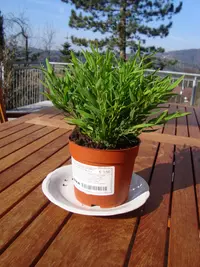
This grass can be grown in containers if the pot and medium are chosen to keep roots dry and stable.
This tough native grass usually needs minimal feeding, especially in fertile garden soils.
Pruning Schizachyrium scoparium is simple and mainly done to refresh growth and maintain a tidy clump.
This warm-season prairie grass is usually grown in the ground; transplant only when necessary to limit stress.
Propagation of Schizachyrium scoparium is most reliable by division, with seed also useful for larger plantings.
This species is cold hardy in most temperate regions and usually needs little special winter care in the ground.

Plant Health Check
Not sure what's wrong with your plant? Check your plant's health inside the app.
This warm-season bunchgrass is a dominant species in many North American tallgrass and mixed-grass prairies, where its dense clumps help stabilize soil and reduce erosion.
The foliage often turns vivid shades of red, bronze, and purple in autumn due to increased production of anthocyanin pigments, which also help protect the leaves from light and cold stress.
Its upright stems provide nesting cover for ground-nesting birds and small mammals, while the seeds are eaten by various songbirds, making it a structurally and nutritionally important native grass.

This species has an exceptionally broad native range, extending from Canada through most of the United States and into northern Mexico, and shows strong local adaptation, with distinct regional ecotypes evolved to match local soils, moisture, and climate conditions.
This species forms tight clumps and spreads slowly by short rhizomes and self-seeding. It is not generally aggressive in typical garden settings, but in ideal prairie-style plantings it can lightly self-sow and gradually expand.
Keep your plants happy and healthy with plant identification, disease detection, and easy care guidance.