Pogonatherum paniceum Care

Pogonatherum paniceum

About Pogonatherum paniceum

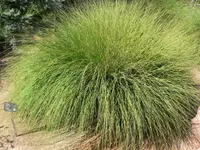
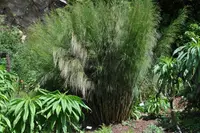
Pogonatherum paniceum, often sold as miniature bamboo or baby panda grass, is a compact ornamental grass from tropical Asia. It forms dense, fountain-like clumps of fine, arching leaves that give a soft, bamboo-like look without woody stems.

In nature it grows in warm, humid regions, often in bright, open sites with consistent moisture. Indoors or in containers it prefers bright, filtered light, evenly moist but not waterlogged soil, and good air circulation.

This species can be moderately demanding, since it dislikes drying out completely or sitting in heavy, compacted soil. Once its moisture and light needs are understood, it becomes much easier to care for Pogonatherum paniceum.

Main Plant Requirements

Care Difficulty

Moderate Care

Light Preference

Bright Indirect Light

Water Requirements

Keep Soil Moist

Temperature Preference

Tropical / Frost Sensitive

Hardiness Zone

10–11

Soil Texture

Loamy, Silty, Organic-rich

Soil pH

Acidic (5.5–6.5), Slightly acidic (6.5–7.0)

Soil Drainage

Moist but well-drained

Fertilization

Light (every 4–6 weeks)

Get Personalized Care Plan

Scan your plant to receive care tips personalized for your specific plant

Available on iOS and Android

How to Care for the Pogonatherum paniceum

This grass prefers bright, indirect light that mimics light woodland or lightly shaded courtyard conditions.

  • Provide 4–6 hours of bright, filtered light daily, such as dappled shade under taller plants or sheer-curtained windows for Pogonatherum paniceum.
  • Allow gentle morning sun but protect from strong midday and late-afternoon sun, which can scorch leaves and cause pale, dry tips.
  • In summer, shift containers slightly deeper into shade if foliage looks washed out; in winter, move them where they receive a bit more direct or unobstructed light.

This species needs consistently moist but not waterlogged soil, with careful attention to drainage.

  • Water when the top 2–3 cm of soil feel just barely dry, aiming to keep the root zone evenly damp rather than saturated.
  • Use loose, well-draining soil; prolonged puddling, sour smells, or yellowing, limp stems indicate overwatering and poor aeration around roots.
  • In cooler months, let the surface dry a little deeper between waterings; in heat or dry wind, monitor foliage for slight droop or curling as a cue to water sooner.

This fine-textured grass thrives in warm, frost-free conditions with stable temperatures.

  • Aim for 65–80°F (18–27°C) for steady growth; brief dips to 55°F (13°C) are usually tolerated but slow development.
  • Avoid exposure below 40°F (4°C); repeated chills or light frost can brown foliage and may kill young or container-grown clumps.
  • In hot spells above 90°F (32°C), increase shade and airflow, and check soil moisture more often to prevent heat stress and leaf scorch.

This grass prefers fairly moist air and reacts quickly to very dry conditions.

  • Aim for 50–70% humidity, especially indoors or in heated rooms where air dries out.
  • Dry tips, browning leaf edges, and stalled growth indicate humidity stress rather than underwatering.
  • Increase humidity with a nearby humidifier, grouped plants, or a pebble tray, but keep leaves dry to limit fungal issues.

This species prefers a loose, moist, and well-drained mix that mimics a light, fertile streambank soil.

  • Use a loamy mix with high organic matter, such as 50% peat- or coco-based potting mix, 30% compost, and 20% perlite or coarse sand.
  • Ensure the soil drains freely yet holds even moisture; water should flow through quickly without pooling on the surface.
  • Aim for slightly acidic to neutral pH around 6.0–7.0, which supports nutrient uptake and stable growth for Pogonatherum paniceum.
  • Avoid heavy garden clay, compacted mixes, or pure sand, which either suffocate roots or dry out too fast and cause weak, patchy foliage.

This fine-textured grass is well-suited to container growing for patios, balconies, or bright outdoor spots.

  • Choose a squat, wide pot to accommodate its spreading root system and keep the plant from becoming top-heavy in wind.
  • Select a slightly heavier material such as ceramic or clay to stabilize dense, fountain-like foliage in exposed locations.
  • Use a potting mix that drains freely but retains moisture, then raise the container on feet or bricks so drainage holes never sit in collected water.

This small bamboo-like grass responds well to light feeding during its active growing season.

  • Use a balanced liquid fertilizer (such as 10-10-10) at 1/4–1/2 strength every 4–6 weeks in spring and summer.
  • Alternatively, apply a thin layer of fine compost or a low-dose slow-release fertilizer at the start of spring.
  • Ensure soil is moist before feeding to limit root burn, and flush the pot with plain water occasionally to prevent salt buildup.
  • Reduce feeding to once in late fall or stop entirely in winter when Pogonatherum paniceum growth slows.

Pruning mainly maintains a compact, tidy form and removes declining foliage.

  • Best time for structural pruning is late winter to early spring before strong new growth starts.
  • Use clean, sharp scissors or small shears to remove dead, yellow, or broken stems at the base.
  • Thin crowded interior stems to improve air flow and keep the clump fine-textured and shapely.
  • Lightly trim outer tips to control size, but avoid cutting more than 1/3 of the foliage at one time for Pogonatherum paniceum.

Container-grown plants benefit from occasional dividing and moving to fresh substrate to maintain vigor.

  • Check for roots circling the pot, lifting the plant, or slow, weak growth as signs it needs repotting.
  • Plan to repot every 1–2 years in spring, when recovery and new root growth are strongest.
  • Gently loosen the root ball; if densely crowded, divide the clump into sections with a clean knife or saw.
  • Replant divisions at the same depth in a slightly larger pot with well-drained mix, then water thoroughly and keep shaded for 3–5 days to reduce stress.

Division is the standard method for increasing plants and refreshing older clumps.

  • Carry out division in spring or early summer, when active growth supports rapid root recovery.
  • Lift the plant from its container and separate the root mass into several sections, each with healthy shoots and roots.
  • Plant divisions into moist, well-drained mix, firm gently, and water to settle air pockets.
  • Keep new plants warm with bright, indirect light and consistently slightly moist soil until established; this supports successful Pogonatherum paniceum care instructions.

This subtropical grass is frost sensitive and needs protection in regions with cold winters.

  • In USDA zones colder than 10, grow in containers and move indoors before temperatures drop below 40°F.
  • Indoors, place in bright, indirect light and keep soil just slightly moist, not saturated.
  • If grown outdoors in mild climates, apply a light mulch around the base to buffer short cool spells.

Care Tips

Rotate containers

Turn the pot 90° every 1–2 weeks so the clumps develop evenly and do not lean or thin out on the side facing away from the light source.

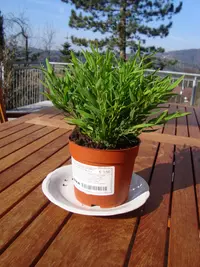
Divide to rejuvenate

Every 1–2 years, split the root ball into smaller sections with a clean knife and repot separately; this reduces congestion, refreshes growth, and prevents the center of the clump from becoming woody and sparse.

Use wide planters

Choose a shallow, wide container rather than a deep narrow one to give the dense fibrous roots room to spread and form a fuller, more stable mound.

Manage indoor airflow

Place the plant where it receives gentle air movement from a ceiling or oscillating fan to reduce fungal leaf spots, but avoid direct drafts from air conditioners or heaters that can dry the foliage tips.

Inspect leaf bases

Check the dense foliage bases and inner stems every few weeks for spider mites or scale insects, since pests often hide inside the clump when caring for Pogonatherum paniceum, and treat early if any are found.

Common Pests and Diseases

Spider mites

This pest thrives on fine, dense foliage and warm, dry air, causing tiny yellow specks on leaves and fine webbing between stems. Symptoms include dull, dusty-looking foliage and gradual thinning of the clump.

Solution

Rinse the plant under a gentle shower or hose, directing water to the inner clump where mites hide, then allow excess water to drain well. Increase humidity, improve air movement, and, if needed, apply an insecticidal soap or horticultural oil to all leaf surfaces, repeating weekly until no new damage appears.

Mealybugs

These insects hide deep in the tufted stems and leaf bases, leaving white cottony clusters and sticky honeydew that can lead to sooty mold. Symptoms include stunted growth and yellowing or browning leaf tips in dense indoor plantings.

Solution

Isolate the plant, then swab visible insects with cotton dipped in 70% isopropyl alcohol and rinse the foliage thoroughly. For heavier infestations, use an insecticidal soap or neem oil spray directed into the plant’s center, repeating every 7–10 days while monitoring new growth closely as part of Pogonatherum paniceum care instructions.

Leaf spot

This disease appears as small brown or tan spots with darker margins on the narrow leaves, often starting in the dense lower foliage where moisture lingers. Symptoms include premature leaf drop and a patchy, thinned appearance of the clump.

Solution

Remove and discard affected leaves, especially from the plant’s interior, and avoid wetting the foliage late in the day. Improve air circulation, water at the base in the morning, and, if spotting continues to spread, apply a labeled copper or broad-spectrum fungicide following product directions.

Powdery mildew

This disease presents as a white or gray powdery coating on the narrow leaves and stems, particularly in crowded, humid positions with poor air flow. Symptoms include distorted new leaves and a general loss of vigor over time.

Solution

Thin the clump by trimming some inner stems, reduce crowding with nearby plants, and ensure good air movement without cold drafts. Remove heavily affected foliage and, if necessary, apply a suitable fungicide or sulfur-based product, keeping leaves as dry as possible between treatments.

Aphids

These insects feed on tender new shoots, causing curling, distortion, and sticky honeydew on the fine foliage. Symptoms include weak, soft growth and possible attraction of ants to the plant surface.

Solution

Spray the plant with a strong but gentle stream of water to dislodge aphids from young shoots and inner stems, repeating every few days. For persistent colonies, use insecticidal soap or neem oil, ensuring thorough coverage of all growing tips and the undersides of leaves while also reducing excess nitrogen fertilization that encourages very soft growth.

Interesting Facts

Mini bamboo lookalike

This grass is often mistaken for a true bamboo because of its dense tufted growth and fine upright stems, but it is a small tropical grass species in the tribe Andropogoneae rather than a woody bamboo.

Natural streambank specialist

In its native tropical Asian range, it commonly grows along streambanks and riversides where flowing water and periodic flooding shape its dense, clumping habit.

Flexible ornamental use

The compact, fountain-like form has made it an established choice for edging, low hedging, and container displays in warm-climate landscapes, especially where a dwarf bamboo effect is desired without planting real bamboo.

FAQs about Pogonatherum paniceum

This grass works well indoors as a compact, bamboo-like accent, especially in bright rooms. It prefers stable indoor temperatures and regular moisture, so it suits plant owners who can monitor it more closely than outdoor plantings.

Grow Healthy Plants with Botan Care

Keep your plants happy and healthy with plant identification, disease detection, and easy care guidance.

Botan plant care app — identify plants on mobile

Explore More Plants