Clump Renewal
Every 3–4 years, lift and divide crowded clumps in early spring or early fall to maintain dense growth and prevent dieback in the center of the plant.

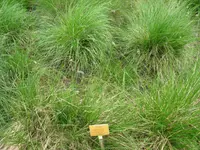
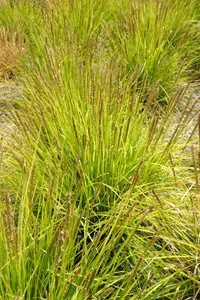
Blue moor grass, Sesleria caerulea, is a compact, cool-season ornamental grass valued for its tidy clumps and blue-green foliage. It forms low, dense mounds that keep a clean shape over time.
This species is native to European meadows and rocky slopes, where it grows in open, sunny sites with relatively poor, well-drained soil. It is generally easy to grow and adapts well to a range of garden conditions, including small borders and rock gardens.
Its good tolerance of cold, wind, and moderate drought makes it a low-maintenance choice once established. Gardeners often find it straightforward to care for blue moor grass as long as the soil does not stay waterlogged.

Care Difficulty
Easy Care

Light Preference
Full Sun

Water Requirements
Low Water

Temperature Preference
Cold Hardy

Hardiness Zone
4–8

Soil Texture
Sandy, Loamy, Rocky

Soil pH
Slightly acidic (6.5–7.0), Neutral (7.0)

Soil Drainage
Well-drained

Fertilization
Minimal (feed rarely)
Scan your plant to receive care tips personalized for your specific plant
Available on iOS and Android
Sesleria caerulea thrives in cool, bright conditions with a balance of sun and light shade.
This grass prefers evenly moist, well-drained soil and tolerates short dry spells once established.
This cool-season grass handles a wide temperature range but performs best in moderate climates.
Humidity is rarely a limiting factor for Sesleria caerulea in typical home or outdoor conditions.
Sesleria caerulea prefers lean, mineral soils that drain quickly and do not stay wet for long.
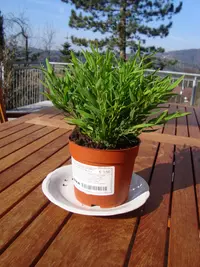
This species adapts well to container growing when drainage and root space are managed carefully.
Sesleria caerulea is a low-maintenance grass that needs only modest feeding in most soils.
Sesleria caerulea benefits from simple, light pruning to keep the clump tidy and healthy.
This grass is most often grown in the ground, with transplanting needed only when clumps outgrow their space or decline at the center.
Sesleria caerulea is most reliably propagated by division, with seed used less often in home gardens.
This cool-season, hardy grass needs minimal winter care in most temperate climates.

Plant Health Check
Not sure what's wrong with your plant? Check your plant's health inside the app.
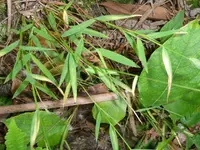
This grass shows a distinct color contrast, with bluish upper leaf surfaces and greener undersides, giving clumps a subtle bicolored sheen in angled light.
It naturally occurs on calcareous, often rocky soils in European mountains and uplands, where it is adapted to thin, lime-rich substrates that many other grasses cannot tolerate.
As a cool-season grass, it does most of its active growth in spring and fall, often remaining relatively fresh and green when many warm-season grasses are dormant.
This species is semi-evergreen in many temperate climates. Foliage often stays attractive through mild winters but can thin or brown in severe cold. Light trimming in late winter helps maintain a fresh, dense mound of leaves.
Keep your plants happy and healthy with plant identification, disease detection, and easy care guidance.