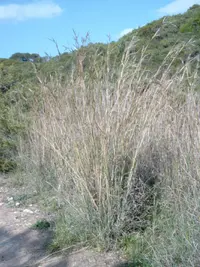
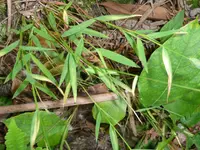
Elliott's bluestem Care (Andropogon gyrans)

Elliott's bluestem

About Elliott's bluestem

Elliott's bluestem (Andropogon gyrans) is a warm-season perennial bunchgrass native to the southeastern United States. It usually grows in open woods, prairies, and dry roadsides.

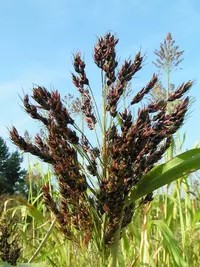
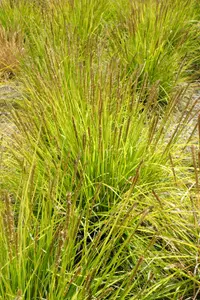
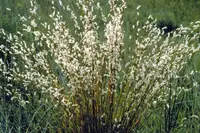
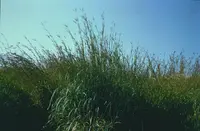
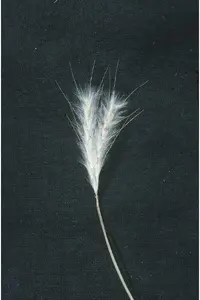
The plant forms upright clumps with narrow leaves that often twist or spiral slightly, turning attractive bronze or purplish tones in late season. Its airy seed heads sit above the foliage and move easily in the wind.

This grass tolerates poor, sandy, or rocky soils and seasonal drought, which generally makes it low-maintenance once established. Gardeners who want to care for Elliott's bluestem should provide full sun and well-drained soil for best growth.

Main Plant Requirements

Care Difficulty

Easy Care

Light Preference

Full Sun

Water Requirements

Low Water

Temperature Preference

Cold Hardy

Hardiness Zone

6–9

Soil Texture

Sandy, Loamy, Rocky

Soil pH

Acidic (5.5–6.5), Slightly acidic (6.5–7.0)

Soil Drainage

Well-drained

Fertilization

Minimal (feed rarely)

Get Personalized Care Plan

Scan your plant to receive care tips personalized for your specific plant

Available on iOS and Android

How to Care for the Elliott's bluestem

This warm-season grass thrives in open, bright sites with consistent sun exposure.

  • Provide 6–8 hours of direct sun daily; full sun promotes strongest color and upright growth in Elliott's bluestem.
  • Tolerates light partial shade, especially with 3–4 hours of morning sun, but dense shade leads to weaker stems and sparse foliage.
  • In hot southern climates, allow some late-afternoon shade to reduce leaf scorch, and avoid placing it where nearby trees will increasingly block light as they mature.

This species is drought-tolerant once established and prefers infrequent, thorough watering.

  • In the ground, water only when soil is dry 5–8 cm down; deep soakings encourage roots to grow downward and improve drought resilience.
  • Use fast-draining, sandy or loamy soil so water does not pool; yellowing, limp foliage and mushy crowns indicate overwatering or poor drainage.
  • During the first growing season, water after prolonged dry spells; in later years, irrigate mainly during extended droughts, watching for curling or crisping leaf tips as a sign of stress.

This warm-season perennial grass grows best in hot summers and tolerates a range of outdoor temperatures.

  • Optimal growth occurs around 75–90°F (24–32°C), with active shoot and root development during late spring and summer.
  • Established plants tolerate brief drops to about 0°F (-18°C) in many regions, but young plants benefit from protection from hard freezes their first winter.
  • Handles heat up to 100–105°F (38–41°C) if soil is not waterlogged; in colder zones, top growth dies back after frosts but crowns usually resprout in spring if roots remain insulated.

This warm-season grass tolerates a wide humidity range and usually does not need special humidity management outdoors.

This species prefers dry, lean, well-drained soil and is adapted to nutrient-poor grassland conditions.

  • Use sandy or sandy-loam soil with low to moderate organic matter to mimic native prairie or savanna sites.
  • Ensure very sharp drainage; avoid spots where water lingers after rain, as roots are prone to rot in soggy conditions.
  • Target a slightly acidic to neutral pH around 6.0–7.0, which supports stable growth without excess nutrient uptake.
  • For planting beds, loosen the top 15–20 cm and mix in coarse sand or fine gravel to improve aeration and surface drainage for Andropogon gyrans.

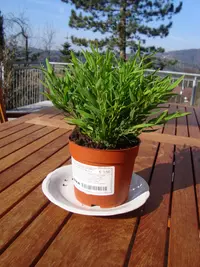
This species can be grown in containers, mainly for ornamental display or trial plantings rather than long-term culture.

  • Choose a deep, heavy pot that resists tipping as the tall foliage and seed heads create a top-heavy canopy in wind.
  • Use a fast-draining mix such as 60–70% mineral material (coarse sand or grit) blended with a low-peat, low-compost base to keep roots dry between waterings.
  • Raise the container on pot feet or bricks so drainage holes clear the ground and excess water escapes rapidly after rain or irrigation.

This native warm-season grass needs only light feeding in most soils, so focus on supporting, not forcing, growth when caring for Elliott's bluestem.

  • Use a balanced slow-release fertilizer (for example 10-10-10) or a thin layer of compost in early spring.
  • Apply once at the start of the growing season; a second light dose in midsummer is enough on poor soils.
  • Use about half the label strength for ornamental beds to avoid overly lush, floppy growth.
  • Avoid feeding in late fall or winter, when the plant is dormant and not actively using nutrients.

Pruning Andropogon gyrans is simple and mainly used to refresh the clump and maintain a tidy appearance.

  • Cut back old, tan foliage to 5–10 cm above ground in late winter or very early spring before new growth emerges.
  • Remove dead, broken, or lodging stems during the season with clean hand pruners or sharp shears.
  • Thin out crowded stems at the clump center every few years to improve air flow and maintain an upright form.
  • Leave seed heads standing through winter if desired for structure and wildlife, then cut down in one pass.

This grass is more often grown in the ground than in containers, so care focuses on dividing and transplanting established clumps.

  • Look for tight, crowded clumps, reduced vigor, or roots circling the pot as signs that division or transplanting is needed.
  • Plan to lift and divide clumps every 3–5 years in early spring as new shoots just start to emerge.
  • Dig widely around the plant, lifting the root mass with a spade or fork to keep as many roots intact as possible.
  • Replant divisions at the same depth, water thoroughly, and keep soil evenly moist for several weeks to limit transplant shock.

Andropogon gyrans is most commonly propagated by division, with seed also an option for larger restoration-style plantings.

  • Divide mature clumps in early spring, when shoots are 2–5 cm tall and soil is workable.
  • Use a sharp spade or knife to cut the clump into sections, each with several shoots and a healthy root portion.
  • Replant divisions promptly into prepared soil, water well, and maintain consistent moisture until established.
  • For seeds, sow in fall outdoors or after a cold stratification period, then provide sunlight and well-drained soil for germination.

This species is cold hardy across much of its native range and usually needs minimal winter care in the ground.

  • Leave standing foliage and seed heads through winter to insulate the crown and support wildlife.
  • In colder areas or exposed sites, apply a light 5–8 cm mulch layer around the base after the ground cools.
  • For container plants, move pots to a sheltered, unheated area and keep soil just barely moist to prevent root desiccation.

Care Tips

Prevent Lodging

In windy, exposed sites, plant in small groups or drifts spaced 30–45 cm apart so neighboring clumps support each other and reduce the risk of stems lodging or snapping.

Managed Self‑Seeding

If you want natural reseeding without losing control, let only the healthiest clumps flower and set seed, then cut seed heads from weaker or poorly placed plants before they shatter.

Encourage Fall Color

Avoid high-nitrogen fertilization and excessive irrigation in late summer so the foliage can harden off properly and develop stronger bronze and purple fall tones.

Dormant Season Cleanup

Leave dry stems standing through winter for crown protection and habitat, then cut back to 5–8 cm above ground in late winter before new shoots emerge to maintain a tidy, vigorous clump.

Establish Fire Breaks

In larger plantings or prairie restorations, maintain short-mown or mulched edges around stands to reduce fire risk from the dry foliage while still benefiting from growing Elliott's bluestem in the landscape.

Common Pests and Diseases

Rust fungi

This disease causes small orange-brown pustules or streaks on leaf blades, often appearing in late summer on dense stands. Symptoms include premature leaf yellowing and reduced vigor, especially in hot, humid weather.

Solution

Reduce leaf wetness by avoiding overhead irrigation and by thinning overly dense clumps to improve air flow. Remove and destroy heavily infected foliage at season’s end, and where outbreaks are recurrent, use a labeled grass fungicide in early summer as a preventative treatment according to local extension recommendations.

Leaf spot

This disease produces tan to dark-brown spots on leaves, sometimes with purple margins, that can merge into larger dead patches under warm, wet conditions. Symptoms include thinning foliage and reduced ornamental quality in naturalized plantings.

Solution

Promote rapid drying of foliage by spacing plants well and mowing or cutting back only when leaves are dry, cleaning tools afterward. Collect and discard infected clippings, and in high-value plantings with repeated problems, apply a registered foliar fungicide at the first sign of spotting, following label directions.

Grass-feeding caterpillars

These insects chew irregular notches or windowpane-like patches in leaves, and heavy feeding may give clumps a ragged or grazed appearance. Damage is often more noticeable in late summer or early fall when caterpillar populations peak.

Solution

Inspect foliage at dusk and hand-pick caterpillars where practical, encouraging birds and beneficial insects by avoiding broad-spectrum insecticides. In serious infestations, target young larvae with a biological product containing Bacillus thuringiensis (Bt) labeled for caterpillars, applied according to label instructions.

Grasshoppers

These insects feed on leaf margins and tips, leaving jagged edges and sometimes skeletonized blades during dry, hot periods. Symptoms include visibly chewed leaves and scattered pellets of frass on or around the plants.

Solution

Encourage natural predators by maintaining habitat diversity nearby and avoid unnecessary insecticide use. In severe outbreaks, use floating row covers for young plantings where feasible or apply a bait or targeted grasshopper control product approved for ornamental grasses, following local guidelines to minimize impact on non-target species.

Interesting Facts

Twisting autumn stems

This species develops strongly twisting and bending stems in late season, which is why it is commonly called Elliott’s bluestem or umbrella bluestem. The twisting results from uneven drying and shrinking of stem tissues as they mature.

Color-shifting foliage

Its foliage often changes from bluish-green in summer to bronze, purple, or reddish tones in autumn, especially in full sun and dry soils. These color shifts are linked to increased production of protective pigments such as anthocyanins.

Specialist grassland native

This grass is naturally restricted to dry, open habitats of the southeastern and south-central United States, including sandy pine savannas and prairie remnants. It often indicates relatively undisturbed, well-drained native grasslands with low to moderate soil fertility.

FAQs about Elliott's bluestem

This warm-season grass is a perennial, returning each year from its root system. Top growth dies back in winter, but crowns and roots survive typical cold in its hardy range and resume active growth in late spring.

Grow Healthy Plants with Botan Care

Keep your plants happy and healthy with plant identification, disease detection, and easy care guidance.

Botan plant care app — identify plants on mobile

Explore More Plants