Rush Care (Juncus rigidus)

Also known as: Sea Rush, Salt Rush
Rush

About Rush

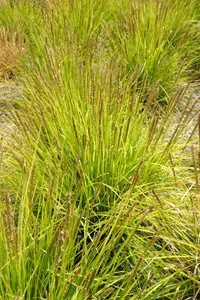
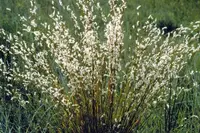
Juncus rigidus, often called sea rush or stiff rush, is a perennial rush with upright, reed-like stems and a dense, clumping growth habit. It typically forms tough, vertical tufts that give a strong architectural look.

This species is native to coastal and saline wetlands in regions around the Mediterranean, parts of Africa, and the Middle East. It is adapted to harsh, salty, and periodically flooded conditions, which makes it resilient but also specific in its needs.

Because it tolerates salt, wind, and poor, wet soils, it can be easier to manage in difficult sites than many ornamentals. To care for Rush, provide consistently moist soil and plenty of light, avoiding very dry indoor air and prolonged drought.

Main Plant Requirements

Care Difficulty

Moderate Care

Light Preference

Full Sun

Water Requirements

Aquatic

Temperature Preference

Warm Climate

Hardiness Zone

8–11

Soil Texture

Sandy, Loamy, Silty

Soil pH

Neutral (7.0), Slightly alkaline (7.0–7.5)

Soil Drainage

Waterlogged tolerant

Fertilization

Minimal (feed rarely)

Get Personalized Care Plan

Scan your plant to receive care tips personalized for your specific plant

Available on iOS and Android

How to Care for the Rush

This rush prefers bright, open conditions that mimic sunny wetlands.

  • Provide 6–8 hours of direct sun daily; full sun promotes firm, upright stems and dense clumps.
  • Tolerates light partial shade (especially in hot inland summers), but stems may grow thinner and more open with less than 4–5 hours of sun.
  • In very hot regions, protect from intense late-afternoon sun to limit leaf scorch, while ensuring unobstructed sun in spring and fall.

This wetland species thrives in consistently moist to saturated conditions.

  • In the ground, aim for soil that never fully dries; standing water up to a few cm deep is suitable for Juncus rigidus.
  • If grown where drainage is better, rewater when only the top 1–2 cm of soil begins to lose gloss and dark color, before it becomes pale and crumbly.
  • Signs of underwatering include limp, browning tips; sour odor, algae crust, and black, mushy roots indicate prolonged waterlogging without oxygen.

This species is adapted to mild, coastal and wetland climates with moderate temperature swings.

  • Best growth occurs around 60–80°F (16–27°C), with steady moisture available during warm weather.
  • Established plants tolerate brief drops near 20–25°F (-6 to -4°C), but repeated hard freezes and frozen, waterlogged soil can damage roots and shoots.
  • In hot climates, plants handle 90–95°F (32–35°C) if water is abundant; avoid sites that combine extreme heat with drying winds.

This wetland rush prefers consistently moist air but usually adapts to typical indoor humidity if kept well watered.

  • Target 50–70% humidity, especially in heated homes where air dries out quickly.
  • Expect brown, crisp tips and slower growth if air stays very dry for long periods.
  • Increase humidity by grouping plants near trays of water or a humidifier rather than misting, which offers only brief benefit for Rush.

This species thrives in saturated, poorly drained substrates that mimic marsh or pond-edge conditions.

  • Use a heavy mix of 2 parts loam or clay-based topsoil, 1 part coarse sand, and 1 part compost to hold water yet resist compaction.
  • Aim for neutral to slightly alkaline pH (about 6.8–7.5), avoiding strongly acidic peat-heavy blends for Juncus rigidus.
  • Keep soil constantly wet or even shallowly flooded; drainage can be minimal as long as roots do not dry out.
  • In containers, tamp the mix firmly so it stays dense and waterlogged, avoiding light, highly aerated recipes designed for most houseplants.

This rush can grow well in containers if the setup supports its waterlogged preferences.

  • Choose a deep, heavy pot (ceramic or concrete) to counterbalance the dense, upright clumps and prevent tipping in wind.
  • Use a saucer or outer cachepot that can stay filled with water so the root zone remains saturated between refills.
  • Select containers with few or smaller drainage holes, or partially cover them with mesh, to slow water loss while still preventing soil washout.

This rush tolerates poor soils but responds to light feeding in containers or managed plantings.

  • Use a balanced, slow-release fertilizer (for example 10-10-10) at half strength at the start of spring growth.
  • In outdoor beds, a thin layer of compost in spring supports steady growth without excess vigor.
  • Feed container plants every 6–8 weeks during the growing season, checking that soil stays evenly moist.
  • Stop fertilizing in late summer and avoid feeding in winter dormancy to prevent weak, frost-tender shoots.

Pruning Juncus rigidus is mainly used to keep clumps neat and remove declining growth.

  • Best time is late winter or very early spring, before strong new growth begins.
  • Cut dead, browned, or damaged stems at the base using clean, sharp shears or scissors.
  • Thin out crowded interior stems to increase air flow and maintain an upright, open clump form.
  • Avoid cutting all stems to the ground at once, which can weaken the plant and delay recovery.

Transplanting or dividing this rush is occasional maintenance rather than frequent care.

  • Look for roots circling the pot, water running straight through, or persistent slow growth as signs it needs more space.
  • Plan transplanting or division for early spring or early fall, when temperatures are mild and soil moisture is reliable.
  • For container plants, shift to a slightly larger pot every 2–3 years with moisture-retentive, low-fertility mix.
  • Water thoroughly before and after moving, keep soil evenly moist, and shade lightly for 3–5 days to reduce root stress.

Division is the most reliable method for renewing and multiplying Juncus rigidus clumps.

  • Lift mature clumps in early spring or early fall when temperatures are moderate.
  • Use a sharp knife or spade to divide into sections, each with several healthy stems and a good root portion.
  • Replant divisions at the same depth in wet, humus-rich soil and water thoroughly to settle roots.
  • Seeds can be sown on the surface of damp substrate in warmth and bright light, keeping them constantly moist.

This species is fairly cold tolerant but may need some attention in colder regions or exposed containers.

  • In-ground plants in mild climates usually overwinter without special measures, even with light frost.
  • Apply a 5–8 cm mulch layer around the root zone in colder areas, keeping it off the crown.
  • Move containers to a sheltered, frost-free or slightly protected spot, such as an unheated garage or porch.
  • Reduce watering in winter but do not allow the root zone to dry out completely, especially in pots.

Care Tips

Submerged Container Use

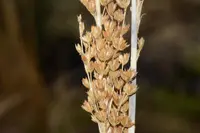
Grow clumps in heavy, wide-bottomed nursery pots and stand the pots in trays or shallow basins of water to keep roots constantly moist while preventing uncontrolled spread in the bed or pond margin.

Salinity Management

If using slightly brackish or hard water, leach the pot thoroughly with fresh water every 1–2 months by running water through the container for several minutes to prevent salt buildup at the root zone.

Wind Exposure Training

Place plants where they receive steady but not extreme wind so stems flex regularly, which encourages sturdier, less floppy growth compared with fully sheltered positions.

Seasonal Thinning Cuts

In late winter or very early spring, selectively remove the oldest, darkest, or damaged culms at the base to open the clump, improve air movement, and reduce fungal issues before new growth starts.

Moisture Monitoring Setup

Use a simple water-level marker, such as a short stick or stone ring in the tray, so you can refill the reservoir before it fully dries, which is especially helpful when growing Rush in hot or windy sites.

Everything About Rush

Common Pests and Diseases

Rust fungus

This disease causes small orange to brown pustules on leaves and stems, sometimes leading to yellowing and dieback of rush clumps. Symptoms include reduced vigor and thinning of the stand in wet, crowded plantings.

Solution

Remove and dispose of heavily infected foliage to reduce spore load, and avoid overhead irrigation that keeps foliage wet for long periods. Improve spacing and air movement, and if rust is persistent in landscape stands, use a labeled fungicide for ornamental grasses applied according to local Rush care instructions.

Leaf spot

This disease produces dark, water-soaked or tan spots on the cylindrical stems, often with a purple or brown margin. Symptoms include gradual loss of green tissue and an overall patchy, weakened appearance of clumps in humid conditions.

Solution

Cut out and discard affected stems to limit spread, and keep irrigation directed at the soil rather than the foliage. Thin overly dense clumps, remove plant debris from around the base, and in severe, recurring cases use a suitable ornamental grass fungicide following label directions.

Aphids

These insects cluster on tender rush shoots and stem bases, sucking sap and causing distortion, yellowing, and sticky honeydew that can encourage sooty mold. This pest is more common in sheltered or nutrient-rich sites.

Solution

Rinse colonies off stems with a firm stream of water, repeating as needed, and encourage natural predators such as lady beetles by avoiding broad-spectrum insecticides. On persistent indoor or container infestations, treat with insecticidal soap or a light horticultural oil, coating stems thoroughly.

Spider mites

These pests are tiny sap-feeding arachnids that thrive on rush plants grown in hot, dry exposures, leading to fine stippling, dull or grayish stems, and in heavy cases webbing between stems. Symptoms include a general decline in vigor and premature browning of sections of the clump.

Solution

Increase humidity around container plants and hose down stems regularly to dislodge mites and break their life cycle. For ongoing problems, use insecticidal soap or horticultural oil directed into the stem clusters, repeating at 7–10 day intervals while monitoring for beneficial mites.

Scale insects

These insects appear as small, immobile bumps on stems near the base or at nodes, extracting sap and causing localized yellowing, stunting, and sometimes sooty mold from associated honeydew. This pest can build up on older, dense clumps in low-airflow sites or containers.

Solution

Prune out stems with heavy infestations and discard them, then wipe remaining scales from accessible stems with a cotton pad dipped in diluted alcohol or soapy water. For larger plantings, apply a horticultural oil during the growing season to smother young crawlers, ensuring thorough coverage of lower stems and basal areas.

Interesting Facts

Native salt marsh specialist

This species is naturally restricted to saline and brackish coastal habitats, especially Mediterranean and North African salt marshes and coastal lagoons, where many less tolerant plants cannot survive.

High salt tolerance

Juncus rigidus can withstand high soil and water salinity and is used in phytoremediation studies to help stabilize and rehabilitate salt-affected or industrially impacted wetlands.

Rigid, tough stems

Its hard, upright, almost wiry stems are structurally adapted to withstand wind, water movement, and grazing pressure in exposed coastal environments.

Botan icon

Did you know?

Juncus rigidus has been studied as a potential bioindicator plant for heavy metal and saline contamination in coastal wetlands, because it can accumulate certain pollutants while still maintaining stable populations in harsh sites.

FAQs about Rush

This species forms dense clumps and can self-seed, but it is usually not aggressively spreading in most garden settings. In very wet or saline soils, monitor new seedlings and divide or thin clumps if space is limited.

Grow Healthy Plants with Botan Care

Keep your plants happy and healthy with plant identification, disease detection, and easy care guidance.

Botan plant care app — identify plants on mobile

Explore More Plants