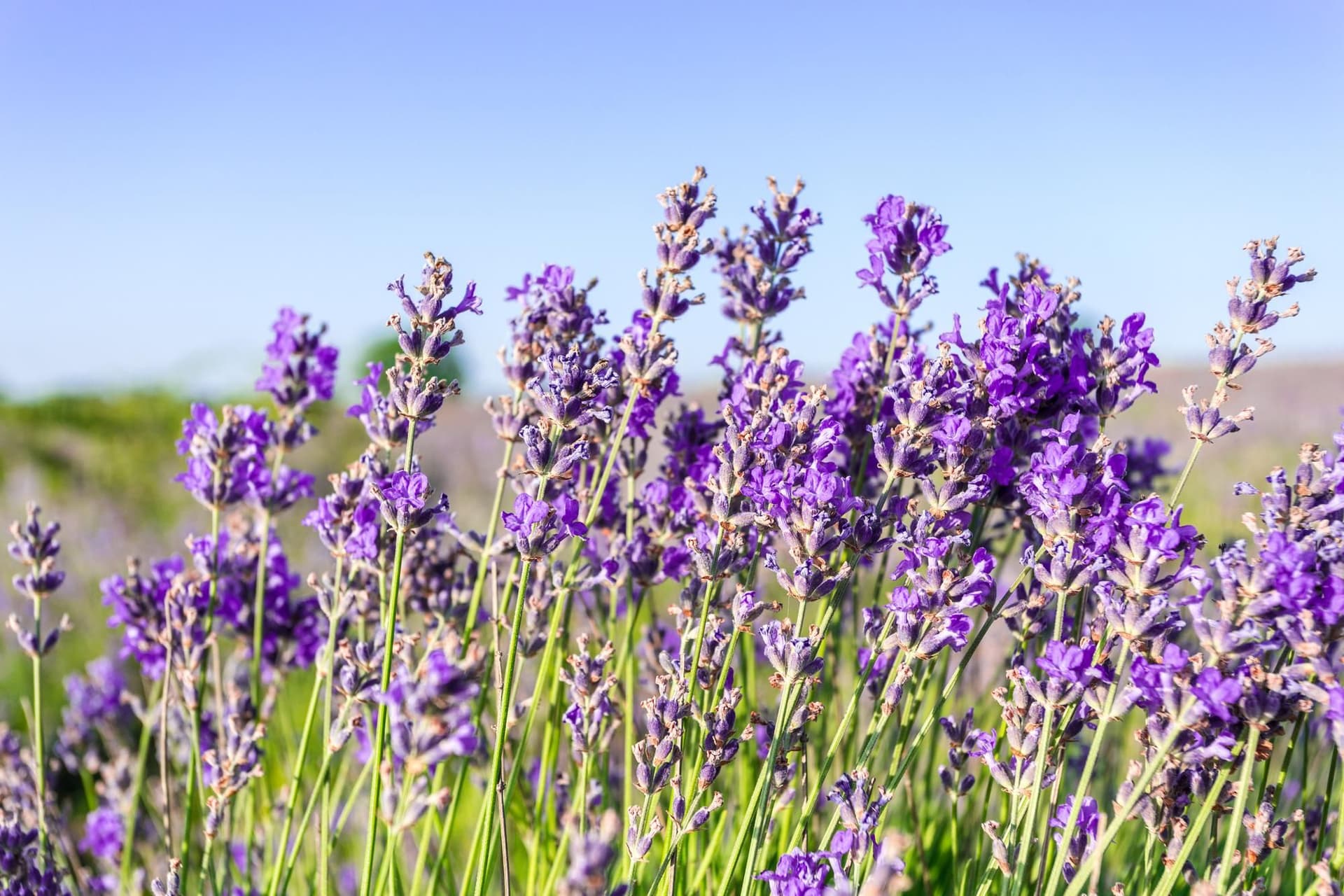
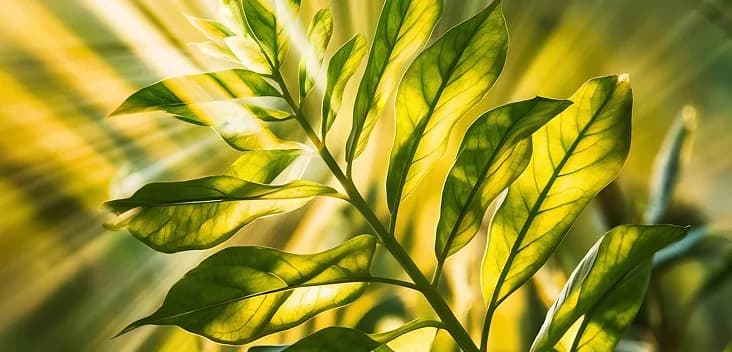



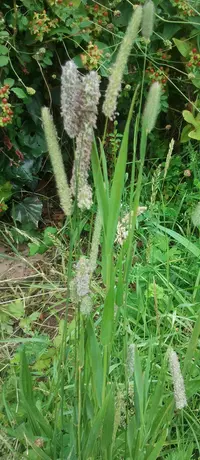
Rush (Juncus rigidus) Light Needs

Rush grows best in full sun, with several hours of direct light each day during active growth.

Light Preference

Full Sun

Juncus rigidus Light Requirements

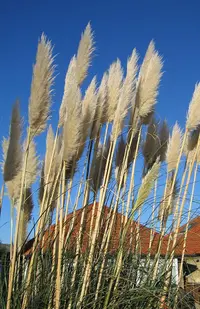
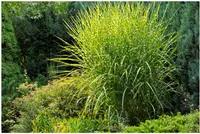
Juncus rigidus is associated with open wet ground, marsh edges, seasonally damp flats, and saline or alkaline soils where taller canopy cover is limited. In these exposed habitats, the upright stems receive strong sun for much of the day, with only occasional shading from surrounding vegetation. Cultivated plants perform best when those open conditions are repeated. Preferred light is full sun.

  • Ideal exposure:

    Rush needs about 6–8 hours of full sun daily, including at least 6 hours of direct sun when possible.

  • Direct sun:

    Established plants tolerate strong direct sun, especially in open outdoor sites with good air movement.

  • Part sun:

    Part sun is acceptable, but growth is usually sturdier when shade is limited to part of the day.

  • Deep shade:

    Shade is not suitable because it reduces dense, upright growth and can make new stems weak.

Full sun is usually suitable, but sudden intense exposure can cause stress.

Bleached stem color:

Upright green stems may look pale, straw-toned, or washed out on the sun-facing side after a quick move into harsher sun.

Scorched patches:

Tan, dry marks may appear where strong afternoon sun hits the same stems each day.

Flattened growth:

New shoots may stay shorter and less upright when light is paired with reflected heat from pavement or walls.

Uneven damage:

Injury is usually strongest on the most exposed side, while shaded inner stems look greener.

Move the plant gradually into brighter exposure, or shift it away from reflected heat. Use light shade during the harshest afternoon period if damage continues.

Low light is a common problem when this sun plant is kept in shade.

  • Leaning stems:

    Upright stems may angle toward the brightest opening instead of standing evenly.

  • Open clumps:

    New growth can become sparse, leaving the clump thinner than expected during the growing season.

  • Weak new shoots:

    Fresh stems may be narrow, soft, and less rigid than older growth.

  • Slow seasonal growth:

    Little new growth in spring or summer can point to inadequate sun if temperatures are suitable.

Move it to a brighter open position with direct sun. Increase exposure over several days if the previous location was shaded.

Choose the brightest outdoor position available when full sun is limited, and prioritize morning-to-midday sun over weak late-day light.

Remove nearby shade sources or reposition the pot a few feet into open exposure to improve light without changing care routines. Rotate container-grown plants every 1–2 weeks so all sides receive even sun.

Avoid deep shade under dense structures because it will not support sturdy upright growth.

Get Personalized Care Plan

Scan your plant to receive care tips personalized for your specific plant

FAQ

This plant grows best in full sun. Aim for open exposure with about 6–8 hours of bright outdoor light, most of it direct.

More Plant Light Guides

Get the Botan App

Discover how to care for your plants with Botan.

Botan app identifying a plant with a phone camera
Plants That Repel Bugs – 20 Effective Options

12 min read · 16 Jul 2026

Plants That Repel Bugs – 20 Effective Options

Mosquitoes on the patio? Gnats in the kitchen? Some plants keep them away with the scent of their own leaves. Here are 20 that deal with mosquitoes, flies, aphids, and more, plus where to put them so they help.

Plant Recommendations
Plants That Repel Bugs – 20 Effective Options
How to Winterize Your Garden in 6 Steps

5 min read · 28 Sept 2026

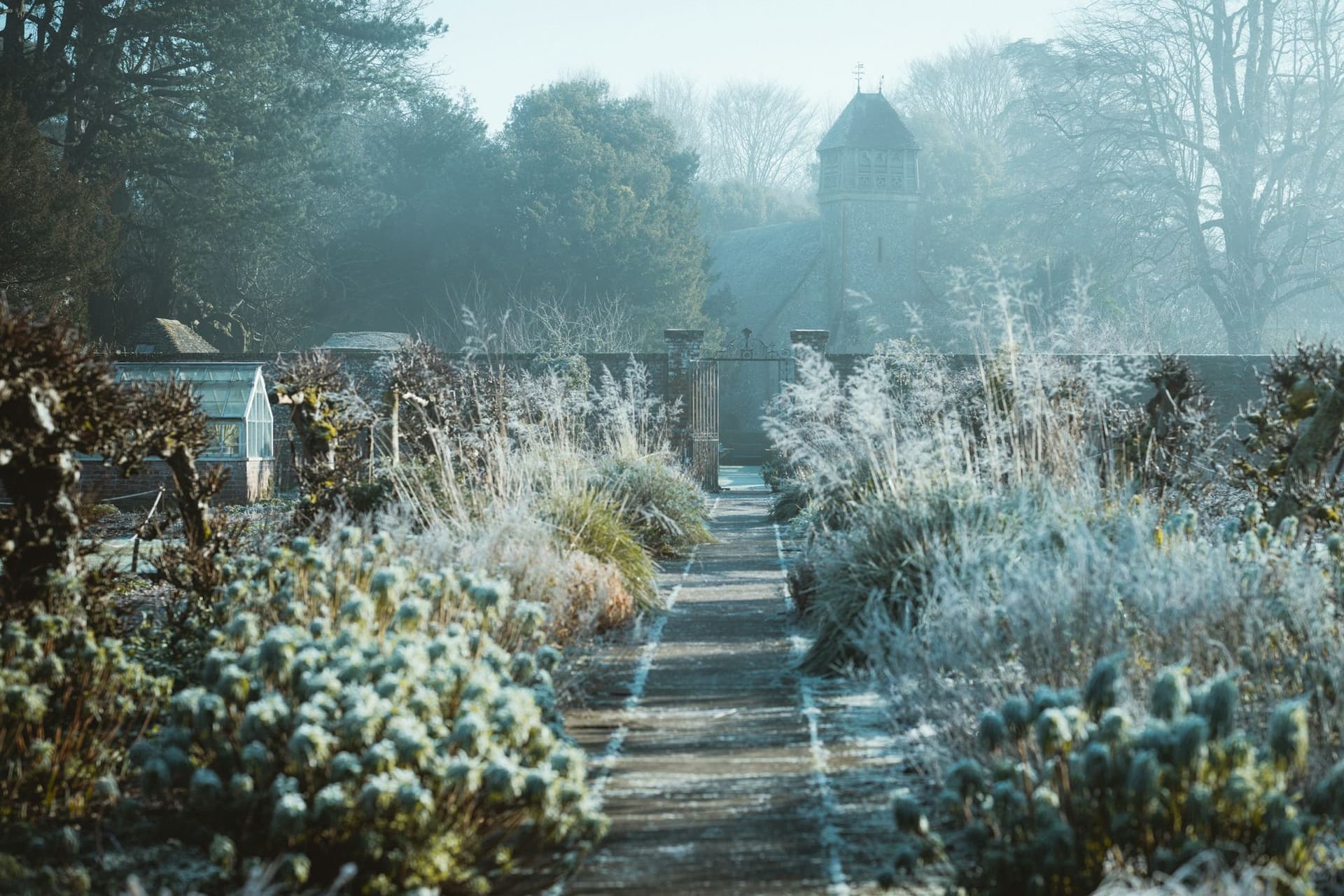
How to Winterize Your Garden in 6 Steps

Learn how to prepare your garden for winter with a practical six-step checklist covering cleanup, tender plant care, watering, mulching, winter protection, and winterizing equipment and containers.

Plant Care
How to Winterize Your Garden in 6 Steps
12 Best Plants That Repel Spiders For Your Home and Garden

8 min read · 24 Jul 2026

12 Best Plants That Repel Spiders For Your Home and Garden

Spiders constantly appear in places you don't want them. A few common plants can help repel them using scent alone. Here are 12 options suitable for both indoors and outdoors, plus care tips for each.

Plant Recommendations
12 Best Plants That Repel Spiders For Your Home and Garden