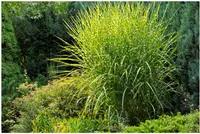



Eulalia (Miscanthus sinensis 'Strictus') Light Needs

Eulalia grows best in full sun, with strong direct light for most of the day.

Light Preference

Full Sun

Miscanthus sinensis 'Strictus' Light Requirements

The species behind this cultivar grows in open grasslands, slopes, roadsides, and disturbed sites across parts of East Asia, where tall grasses receive broad sky exposure. These habitats are bright and seasonally variable, with little overhead shade once growth is active.

That open-habitat pattern explains why cultivated clumps become strongest, most upright, and most colorful in direct sun. Preferred light is full sun.

  • Ideal exposure:

    Eulalia needs about 6–8 hours of full sun daily, with at least 6 hours of direct sun for strongest upright growth.

  • Direct sun tolerance:

    Established outdoor clumps tolerate full-day direct sun, including afternoon sun, when moved into brighter exposure gradually.

  • Partial sun limits:

    About 4–6 hours of sun is tolerated, but stems may be looser and flowering can be reduced.

  • Shade risk:

    Bright shade is not enough for reliable form, strong banding, or normal active-season growth.

Full sun is usually suitable, but abrupt or extreme exposure can cause stress.

Bleached blades:

Pale, washed-out patches on the most exposed leaf surfaces can appear after sudden movement into stronger sun.

Scorched tips:

Dry tan tips or narrow scorched streaks may follow hot afternoon sun, especially on newly divided or recently planted clumps.

Collapsed arching:

Blades may curl, fold, or arch sharply during intense midday heat when light and heat exceed current tolerance.

One-sided damage:

Stress usually appears first on the side facing the harshest sun rather than evenly through the whole clump.

Shift containers to morning sun with light afternoon shade, or add temporary shade cloth during the hottest weeks. Increase direct exposure in stages over 7–10 days.

Weak light affects the shape of this upright grass before it causes obvious decline. Shade is a common reason for poor performance.

  • Leaning stems:

    New growth may stretch toward the brightest side instead of standing upright.

  • Open clump:

    Stems can sit farther apart, giving the plant a thinner, less vertical outline.

  • Dull banding:

    The yellow cross-bands may look weaker or less distinct when light is too low.

  • Fewer plumes:

    Flowering may be sparse or absent if the clump receives only partial shade through the growing season.

  • Small new growth:

    Fresh blades may emerge shorter and narrower than expected during active growth.

Move it to a sunnier open site with at least 6 hours of direct sun. Avoid deep shade from fences, walls, or dense overhangs.

Choose the brightest open site available when full sun is limited; 4–6 hours of direct sun is the minimum practical compromise.

Cut back nearby overhanging growth or shift containers a few feet away from walls that block midday and afternoon light.

Reject deep shade as a planting location because it produces weaker stems, duller banding, and fewer plumes.

Get Personalized Care Plan

Scan your plant to receive care tips personalized for your specific plant

FAQ

For Eulalia light requirements, full sun is best. Aim for 6–8 hours of bright outdoor exposure daily, with direct sun making up most of that time.

More Plant Light Guides

Get the Botan App

Discover how to care for your plants with Botan.

Botan app identifying a plant with a phone camera
What Plants Don't Like Epsom Salt?

11 min read · 29 Jul 2026

What Plants Don't Like Epsom Salt?

Learn which plants can be seriously damaged by Epsom salt and which will thrive on it. We’ll explain when and how to use it properly, provide tips for indoor & outdoor plants — read on and enjoy a healthy garden.

Plant Care
What Plants Don't Like Epsom Salt?
Top 15 Fast-Growing Trees For Your Garden

13 min read · 28 Jul 2026

Top 15 Fast-Growing Trees For Your Garden

Learn which of the 15 fastest-growing trees will suit your area. We’ll share detailed information on each: growth rate, mature spread, key tree demands, and main vulnerabilities. Read on and make the best choice possible.

Plant Recommendations
Top 15 Fast-Growing Trees For Your Garden
How to Tell if a Plant Is Dead

6 min read · 19 Aug 2026

How to Tell if a Plant Is Dead

A plant can lose its leaves, stop growing, or collapse and still remain alive. A closer look at the stems, roots, bulbs, and tubers can show whether the plant still has a chance to recover.

Beginner Guides
How to Tell if a Plant Is Dead