Container water depth
Use a wide, heavy container without drainage holes and keep 5–10 cm of standing water above the soil line to mimic marsh conditions while reducing the risk of the pot tipping over as stems grow tall.

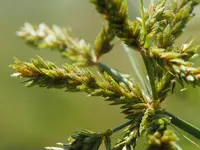
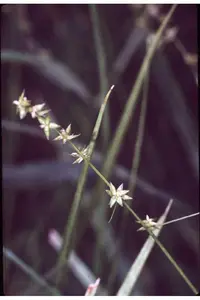
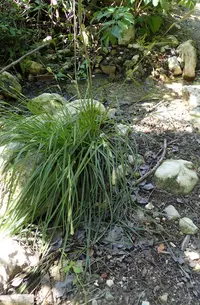
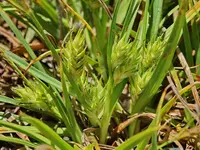
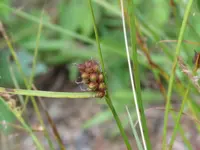
Giant flatsedge, Cyperus giganteus, is a tall, clump-forming wetland sedge often grown as an architectural foliage plant. It produces strong upright stems topped with umbrella-like clusters of narrow, grassy bracts.
In nature it occurs in marshes, pond margins, and riverbanks in tropical and subtropical regions of the Americas. Its preference for constant moisture and rich, boggy soils reflects this origin.
The plant grows quickly in warm conditions and can reach impressive heights, so it suits spacious containers, ponds, or water gardens. It is generally straightforward to grow if its high water needs and bright light are provided, and understanding how to care for giant flatsedge mainly means ensuring it never dries out completely.

Care Difficulty
Moderate Care

Light Preference
Full Sun

Water Requirements
Aquatic

Temperature Preference
Tropical / Frost Sensitive

Hardiness Zone
9–11

Soil Texture
Loamy, Silty, Organic-rich

Soil pH
Acidic (5.5–6.5), Slightly acidic (6.5–7.0)

Soil Drainage
Waterlogged tolerant

Fertilization
Light (every 4–6 weeks)
Scan your plant to receive care tips personalized for your specific plant
Available on iOS and Android
This wetland sedge prefers bright, warm conditions that mimic a sunny marsh edge.
This species is a true water-lover that thrives in consistently saturated conditions.
This sedge prefers warm, frost-free conditions and slows markedly in cool weather.
This species prefers very high humidity and does poorly in dry indoor air.
Cyperus giganteus thrives in consistently wet, organic, pond-like substrates rather than typical potting mixes.
This species can be grown in containers, especially large, stable pots or tubs kept very wet.
Cyperus giganteus benefits from moderate, consistent nutrition during active growth.
Cyperus giganteus responds well to light, routine pruning to keep stands tidy and vigorous.
Large stands of Cyperus giganteus are usually transplanted or divided rather than frequently repotted.
Cyperus giganteus is most reliably propagated by division of established clumps.
This tropical sedge has low frost tolerance and needs protection in regions with cold winters.

Plant Health Check
Not sure what's wrong with your plant? Check your plant's health inside the app.
Cyperus giganteus naturally occurs along riverbanks, marshes, and lake margins in tropical and subtropical America, where its tall clumps help stabilize muddy soils and reduce erosion.
In favorable wet conditions, this species can form dense stands with culms commonly reaching 2–3 m tall, topped by umbrella-like inflorescences that can exceed 50 cm across.
The stems are triangular in cross-section and filled with spongy aerenchyma tissue, which stores air and improves oxygen transport in waterlogged substrates, similar in principle to the tissue found in papyrus sedges.

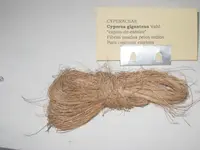
In parts of its native range, large, dried stems of Cyperus giganteus have been traditionally used as lightweight construction and craft material for items such as simple mats, thatching, and temporary fences, taking advantage of their rigidity and buoyancy.
This species spreads by rhizomes in wet soil and can form large clumps over time. In favorable conditions it may spread vigorously, so use root barriers or containers in small gardens or sensitive natural areas.
Keep your plants happy and healthy with plant identification, disease detection, and easy care guidance.