Controlled water depth
In ponds or containers, keep the crown just below the water surface and gradually deepen water by 2–3 cm at a time over several weeks so stems adapt and do not rot or float away.

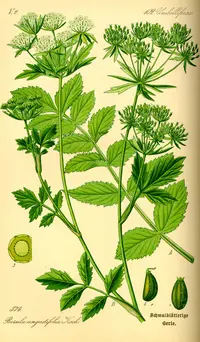
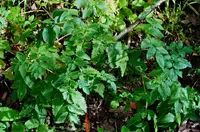
Cutleaf waterparsnip (Berula erecta) is an aquatic or semi-aquatic perennial in the carrot family, forming low, spreading clumps along streams, ditches, and ponds. It has finely divided, fernlike leaves and hollow, branching stems, with small white flowers held in flat-topped umbels above the foliage.
This species occurs widely across Europe, parts of Asia, North Africa, and has naturalized in some regions of North America, usually in cool, clean, slow-moving water. It is generally easy to maintain where conditions stay consistently wet, but unsuitable for dry gardens or containers.
To care for cutleaf waterparsnip successfully, provide constant moisture, cool conditions, and nutrient-rich, muddy or shallow submerged soils, similar to its natural streamside habitats.

Care Difficulty
Moderate Care

Light Preference
Full Sun

Water Requirements
Aquatic

Temperature Preference
Cool Climate

Hardiness Zone
4–9

Soil Texture
Loamy, Silty, Organic-rich

Soil pH
Slightly acidic (6.5–7.0), Neutral (7.0)

Soil Drainage
Waterlogged tolerant

Fertilization
Minimal (feed rarely)
Scan your plant to receive care tips personalized for your specific plant
Available on iOS and Android
Berula erecta is an aquatic or semi-aquatic plant that performs best with consistent, gentle light exposure.
This species is adapted to saturated conditions and prefers constant moisture rather than fluctuating wet-dry cycles.
This cool-temperate aquatic plant tolerates a wide range of temperatures but grows best in mild conditions.
This semi-aquatic species prefers very humid conditions around its foliage and root zone.
Berula erecta grows best in saturated, organic-rich substrates that mimic a slow-moving stream or bog edge.
This species can be grown in containers when they are managed as mini-bog or aquatic planters.
Berula erecta, or cutleaf waterparsnip, usually needs only modest nutrition when grown in rich, wet soils.
Berula erecta responds well to light, functional pruning to keep growth tidy and healthy in managed plantings.
This species is usually grown in ponds or wet margins, so care focuses on transplanting clumps rather than frequent repotting.
Berula erecta is commonly propagated to establish groundcover along streams, ponds, and wet ditches.
This aquatic species is generally cold hardy in temperate climates and often survives winter with minimal attention.

Plant Health Check
Not sure what's wrong with your plant? Check your plant's health inside the app.
This species can grow fully submerged in shallow streams or with its stems and leaves emergent above the water, adjusting its leaf form and internode length to water depth and current speed.
Berula erecta often forms dense stands in cool, fast-flowing, nutrient-rich streams and ditches, where its creeping, rooting stems help stabilize fine sediments and reduce bank erosion.
Unlike many relatives in the carrot family (Apiaceae), it tolerates prolonged flooding and low-oxygen substrates by rooting at stem nodes and using aerenchymatous tissues that improve internal gas transport.

In several temperate regions, including parts of New Zealand and North America, Berula erecta is regarded as a problematic aquatic weed because its vigorous clonal spread can rapidly dominate slow-moving waterways, outcompete native aquatic plants, and interfere with drainage and irrigation channels.
This species spreads readily by seed and creeping stems in consistently wet ground or shallow water. In favorable conditions it can form dense patches, so use physical barriers and regular thinning if local guidelines treat it as potentially invasive.
Keep your plants happy and healthy with plant identification, disease detection, and easy care guidance.