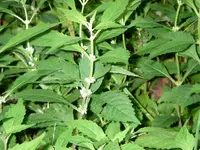
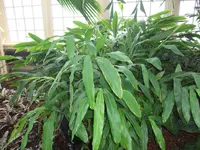
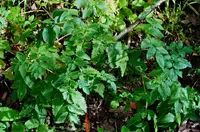
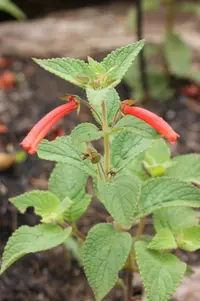
light-blue snakeweed Care (Stachytarpheta jamaicensis)

Also known as: Blue Porterweed, Jamaica Snakeweed, joee, Snakeweed
light-blue snakeweed

About light-blue snakeweed

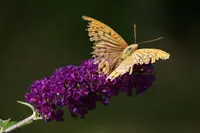
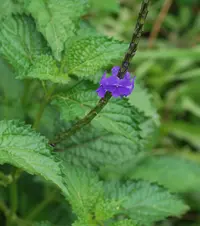
Light-blue snakeweed (Stachytarpheta jamaicensis) is a low, shrubby perennial often grown as a flowering groundcover or edging plant in warm climates. It produces slender, upright flower spikes with small blue to violet blooms that open a few at a time, attracting butterflies and other pollinators.

This species is native to tropical regions of the Americas but is now widely naturalized in many warm coastal areas. It tends to be vigorous and can spread, yet is generally easy to manage in gardens when monitored.

Stachytarpheta jamaicensis prefers sun, moderate moisture, and well-drained soil, which helps guide how to care for light-blue snakeweed in home landscapes.

Main Plant Requirements

Care Difficulty

Easy Care

Light Preference

Full Sun

Water Requirements

Moderate Water

Temperature Preference

Tropical / Frost Sensitive

Hardiness Zone

10–11

Soil Texture

Sandy, Loamy, Organic-rich

Soil pH

Acidic (5.5–6.5), Slightly acidic (6.5–7.0)

Soil Drainage

Moist but well-drained

Fertilization

Light (every 4–6 weeks)

Get Personalized Care Plan

Scan your plant to receive care tips personalized for your specific plant

Available on iOS and Android

How to Care for the light-blue snakeweed

Stachytarpheta jamaicensis grows best in bright, warm conditions with consistent sun exposure.

  • Provide 6–8 hours of direct sun daily, ideally with morning sun and light afternoon shade in very hot climates.
  • Tolerates light partial shade (3–4 hours sun), but flowering of light-blue snakeweed declines and stems stretch if light is too low.
  • In summer, protect from intense late-afternoon sun in hot regions to reduce leaf scorch, and in winter avoid deep shade from buildings or trees.

Stachytarpheta jamaicensis prefers evenly moist but not saturated soil once established in the landscape.

  • Water when the top 3–5 cm of soil feels dry, then soak the root zone thoroughly and allow excess water to drain away.
  • Use well-drained soil to prevent root rot; symptoms of overwatering include yellowing leaves and soft, darkened stems.
  • In hot, dry weather, expect faster drying and more frequent watering, while in cool or rainy seasons extend the interval and watch for wilting or crispy leaves as signs of underwatering.

This species thrives in warm, frost-free climates and reacts quickly to cold stress.

  • Aim for 70–90°F (21–32°C) for strong growth and flowering, with short periods up to 95°F (35°C) tolerated if soil moisture is adequate.
  • Avoid temperatures below 50°F (10°C); foliage damage often appears near 40°F (4°C) and hard frost can kill top growth or the entire plant.
  • In regions with cool winters, grow as a tender perennial that may die back in cold snaps and resprout if roots are protected from freezing.

This species tolerates a wide humidity range but grows best with moderate air moisture.

  • Aim for 40–60% humidity, which is typical of most homes in warm seasons.
  • Dry indoor air can cause leaf edge browning and slower growth in light-blue snakeweed.
  • Increase humidity locally with grouped plants, a pebble tray under the pot, or brief misting during hot, very dry periods.

This plant prefers well-aerated, fast-draining soil that does not stay wet for long.

  • Use a light loam or sandy mix with some organic matter, such as 2 parts all-purpose potting mix, 1 part coarse sand, and 1 part compost.
  • Ensure very sharp drainage; add 10–30% perlite or pumice to reduce compaction and improve root aeration.
  • Target slightly acidic to neutral pH around 6.0–7.0 for optimal nutrient availability for Stachytarpheta jamaicensis.
  • Avoid heavy clay, waterlogged spots, or beds that form a crust on top after rain, as these conditions increase root disease risk.

This species adapts well to container growing in warm climates and bright outdoor locations.

  • Choose a pot slightly wider than the root ball but at least 25–30 cm deep to support its woody root system and upright stems.
  • Select a heavier material like ceramic or clay in windy sites to reduce tipping as the plant becomes top-heavy with growth and flowers.
  • Raise the container on pot feet or bricks so drainage holes clear the ground and excess water escapes quickly after rain or irrigation.

Stachytarpheta jamaicensis benefits from modest feeding to support flowering, especially in containers.

  • Use a balanced, water-soluble fertilizer (such as 10-10-10 or 20-20-20) at 1/2 strength for light-blue snakeweed.
  • Feed every 4–6 weeks during spring–early fall when the plant is actively growing.
  • Reduce or stop feeding in late fall and winter when growth slows.
  • In garden beds, light compost in spring is usually enough instead of frequent liquid feedings.

Pruning keeps Stachytarpheta jamaicensis compact, encourages branching, and supports continuous flowering.

  • Best time for structural pruning is late winter or early spring before strong new growth starts.
  • Use clean, sharp hand pruners to remove dead, diseased, or storm-damaged stems at their base.
  • Thin crowded, crossing, or very long shoots to open the plant and maintain a balanced shape.
  • Lightly tip back spent flowering stems through the growing season to stimulate fresh blooms.

This species is often grown in the ground, but container plants or young starts may need periodic transplanting.

  • Look for roots circling the pot, slow growth, or quick drying soil as signs it needs a larger container or garden spot.
  • Transplant or up-pot in spring after frost risk passes, typically every 1–2 years for vigorous young plants.
  • Choose a slightly larger pot or well-drained garden area, handling the root ball gently to limit tearing.
  • Water thoroughly after transplanting, then keep soil evenly moist and shaded from harsh sun for 3–5 days to reduce stress.

Stachytarpheta jamaicensis is commonly propagated from softwood cuttings and seeds.

  • Take 8–10 cm softwood cuttings in late spring–summer, removing lower leaves and any flower spikes.
  • Insert cuttings into a moist, free-draining mix, and keep humidity high with a clear cover and bright, indirect light.
  • Sow fresh seed on the surface of a light seed mix, just barely covered, kept at 70–80°F.
  • Maintain consistent moisture but not waterlogging; good air circulation limits rot while roots or seedlings develop.

This tropical shrub is frost-sensitive and needs protection in regions with cold winters.

  • In mild climates, apply 5–8 cm of organic mulch around the root zone in late fall, keeping it off stems.
  • In cooler areas, grow in containers and move indoors before temperatures drop below 40°F.
  • Provide a bright, cool indoor spot and water sparingly so soil stays just slightly moist through winter.

Care Tips

Encourage Lateral Branching

Pinch out the soft tips of young stems once they reach 15–20 cm to promote bushier growth and more flowering spikes rather than a few tall, sparse shoots.

Managed Self-Seeding

Allow a limited number of flower spikes to set seed, then collect or deadhead the rest to control spread while still maintaining a self-renewing population where space and climate allow.

Pollinator Access Planning

Site plants away from heavy foot traffic and allow at least 30–40 cm of open space around them so butterflies and hummingbirds can feed without disturbance, which also reduces accidental stem breakage.

Heat-Stress Mitigation

In very hot, exposed sites, install a low, perforated windbreak or companion low shrubs on the hottest side to reduce leaf scorch and moisture loss without significantly reducing light.

Low-Growth Training

In windy or coastal areas, lightly tip-prune and selectively shorten the tallest stems every 4–6 weeks during active growth to maintain a lower, sturdier form that is less likely to lodge or snap when growing light-blue snakeweed.

Common Pests and Diseases

Aphids

This pest often clusters on young shoots and flower spikes, sucking sap and causing curling or distortion of new growth. Symptoms include sticky honeydew on leaves, which can lead to sooty mold on light-blue snakeweed foliage and stems.

Solution

Prune and discard heavily infested tips, then spray stems and leaves with a strong stream of water to dislodge insects. For persistent infestations, use insecticidal soap or a light horticultural oil, applied in the early morning or late afternoon, ensuring thorough coverage of stems and leaf undersides.

Spider mites

These insects thrive in hot, dry conditions and feed on the undersides of leaves, causing fine stippling, a dull appearance, and possible webbing between leaves and stems. Symptoms include gradual yellowing and premature leaf drop when populations are high.

Solution

Increase humidity around the plant and regularly hose down foliage, especially the leaf undersides, to reduce mite numbers. If needed, apply insecticidal soap or a light horticultural oil at 7–10 day intervals, rotating with a different mode-of-action product if infestations persist.

Whiteflies

This pest congregates on the underside of leaves and flies up in a small cloud when the plant is disturbed, feeding on sap and weakening the plant. Symptoms include yellowing leaves, reduced flowering, and honeydew deposits that can support black sooty mold growth.

Solution

Remove heavily infested leaves and use yellow sticky traps to monitor and reduce adult populations. Follow up with insecticidal soap or neem oil sprays, directed to the undersides of leaves and repeated every 5–7 days until new growth appears clean.

Leaf spot

This disease typically appears as small brown, tan, or purple lesions on leaves that may enlarge and coalesce, sometimes with a yellow halo. Symptoms include premature leaf drop on lower or crowded parts of the plant, especially under warm, wet conditions.

Solution

Remove and dispose of affected leaves and avoid overhead watering to keep foliage as dry as possible. Improve spacing and airflow around plants, and in persistent or severe cases use a labeled broad-spectrum fungicide, applying according to the product instructions and only when conditions favor disease spread.

Powdery mildew

This disease produces white, powdery fungal growth on leaf surfaces, stems, and sometimes flower spikes, leading to distorted leaves and reduced vigor. Symptoms include dull, grayish foliage and poor flowering when infections are heavy or prolonged.

Solution

Increase air circulation by thinning congested stems and avoid crowding plants in beds or borders. At the first sign of infection, remove the most affected leaves and apply a sulfur-based or potassium bicarbonate fungicide labeled for powdery mildew, repeating as needed while humid, shaded conditions persist.

Interesting Facts

Coastal pioneer shrub

This species is naturally common along sandy coasts and disturbed ground in the Caribbean and tropical Americas, where it helps stabilize soil and quickly colonizes open, sun-exposed sites.

Butterfly nectar hotspot

Its long, narrow spikes produce a few small blue flowers at a time over a long season, providing a steady nectar source that attracts many butterfly species, including several swallowtails and skippers.

Day-long flower cycle

Each individual flower typically opens in the morning and withers by afternoon, but the inflorescence keeps forming new blooms daily, so the plant appears to flower continuously.

Botan icon

Did you know?

In several Pacific and Indian Ocean islands where it has been introduced, this species is considered invasive because it forms dense stands that outcompete native coastal and grassland plants, altering local plant communities and the insects that depend on them.

FAQs about light-blue snakeweed

Sparse or absent flowers usually come from insufficient light, heavy pruning of flowering spikes, or nutrient imbalance from excess nitrogen. Provide strong sun, avoid cutting young spikes, and use a balanced fertilizer to support continuous blooming.

Grow Healthy Plants with Botan Care

Keep your plants happy and healthy with plant identification, disease detection, and easy care guidance.


Botan plant care app — identify plants on mobile

Explore More Plants