cardamom Care (Elettaria cardamomum)

Also known as: Green Cardamom
cardamom

About cardamom

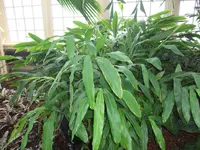
Elettaria cardamomum, commonly called green cardamom, is a tropical, rhizome-forming perennial in the ginger family. It is grown for its aromatic seed pods used as a spice. The plant forms dense clumps of upright, reed-like stems with narrow, lance-shaped leaves and creeping underground rhizomes. In warm, humid conditions it can become a tall, lush clump. Cardamom is native to the moist evergreen forests of southern India and Sri Lanka, where it grows under partial shade with consistently damp, rich soil. In cultivation it prefers warm temperatures, filtered light, and even moisture, which makes how to care for cardamom slightly more demanding than many common houseplants.

Main Plant Requirements

Care Difficulty

Hard Care

Light Preference

Partial Shade

Water Requirements

Keep Soil Moist

Temperature Preference

Tropical / Frost Sensitive

Hardiness Zone

10–12

Soil Texture

Loamy, Silty, Organic-rich

Soil pH

Acidic (5.5–6.5), Slightly acidic (6.5–7.0)

Soil Drainage

Moist but well-drained

Fertilization

Moderate (every 2–4 weeks)

Get Personalized Care Plan

Scan your plant to receive care tips personalized for your specific plant

Available on iOS and Android

How to Care for the cardamom

This species needs bright, indirect light that mimics an understory tropical environment.

  • Provide 4–6 hours of filtered light daily, such as under light tree shade or on an east-facing exposure with gentle morning sun.
  • Tolerates partial shade (up to 70% shade), but flowering and cardamom pod production decline in very dim conditions or deep shade.
  • Avoid harsh midday and afternoon sun, which can scorch leaves; in hot summers, use shade cloth or dappled shade, especially from 11 am–3 pm.

Elettaria cardamomum prefers evenly moist but never waterlogged soil.

  • Water when the top 2–3 cm of soil feel slightly dry, aiming for consistently damp soil around the roots during active growth.
  • Use deep watering so moisture reaches 15–20 cm, then allow slow drying; ensure soil drains freely to prevent standing water and root rot.
  • Reduce watering in cooler months when growth slows, watching for yellowing, limp leaves from overwatering or crisp, browning tips from underwatering.

This tropical species needs warm, stable temperatures for reliable growth and flowering.

  • Aim for 70–85°F (21–29°C) for best growth, with steady warmth and moderate humidity to support healthy foliage and rhizome development.
  • Protect from cold; growth slows below 60°F (16°C), and plants may suffer damage below 50°F (10°C), with frost quickly killing exposed shoots.
  • In hot spells above 90°F (32°C), provide extra shade and soil moisture, as excessive heat can scorch leaves and reduce flowering and yield.

This species needs consistently high humidity to grow well indoors and outdoors in warm climates.

  • Aim for 60–80% humidity; growth slows and leaf tips brown in drier air.
  • Crisp edges, curling leaves, and stalled new shoots signal humidity stress rather than underwatering.
  • Group plants, use a nearby humidifier, or place the pot on a pebble tray to keep air moisture higher around cardamom.

This plant prefers deep, moist, airy soil that stays evenly damp but never waterlogged.

  • Use a rich loam with plenty of organic matter, such as 2 parts compost, 1 part coconut coir or peat, and 1 part perlite or coarse sand.
  • Ensure drainage is fast yet moisture-retentive: water should drain within seconds, but the mix should feel slightly damp for several days.
  • Keep pH slightly acidic to neutral (6.0–7.0), avoiding strongly alkaline or salty soils that reduce nutrient uptake in Elettaria cardamomum.
  • Improve aeration by incorporating chunky materials like fine bark or coarse perlite and avoid compacted, heavy clay or pure sand.

This species is suitable for container cultivation if the pot supports its tall, clumping growth and moisture needs.

  • Choose a wide, deep container to accommodate spreading rhizomes and allow multiple shoots to form stable clumps.
  • Select a heavier pot material, such as thick terracotta or ceramic, to reduce tipping as the foliage becomes tall and dense.
  • Ensure drainage holes are unobstructed and elevate the pot slightly so excess water can exit quickly without pooling under the base.

Nutrient-rich soil supports strong growth and flowering in cardamom.

  • Use a balanced liquid fertilizer (for example 10-10-10 NPK) at half strength every 2–4 weeks during the warm growing season.
  • Alternatively, apply a thin layer of well-rotted compost or a gentle slow-release fertilizer at the start of spring.
  • Reduce feeding to once every 6–8 weeks in cool or low-light periods, and stop if growth is dormant.
  • Always water before applying fertilizer and avoid overfeeding to limit leaf burn and salt buildup in the potting mix.

Targeted pruning keeps Elettaria cardamomum clumps healthy and accessible for harvesting.

  • Carry out main pruning in late winter or early spring before strong new growth starts.
  • Remove dead, diseased, or storm-damaged stems at the base using clean, sharp hand pruners.
  • Thin out the oldest, most crowded canes to improve airflow and light penetration through the clump.
  • Avoid heavy cutting of young green shoots, which can reduce flowering and future pod production.

Container-grown cardamom benefits from occasional repotting to sustain vigorous growth.

  • Check for roots circling the pot, emerging from drainage holes, or noticeably slower growth as cues to repot.
  • Plan repotting for late spring, about every 2–3 years, when temperatures are consistently warm.
  • Move into a pot 2–5 cm wider, using a rich, well-drained mix and keeping the original soil level unchanged.
  • Handle the root ball gently, loosening only tight outer roots, then water thoroughly and shade for a few days to reduce stress.

New Elettaria cardamomum plants are most reliably produced by division of established clumps.

  • Divide mature rhizomes in warm late spring or early summer when active growth has begun.
  • Lift a section, then cut it into pieces with at least 1–2 healthy shoots and a good root portion each.
  • Plant divisions in moist, free-draining, organic-rich soil and keep shaded from direct sun until established.
  • Maintain high humidity and steady warmth (around 70–80°F) to support rapid rooting and recovery.

This tropical species needs protection from frost and prolonged cold.

  • Avoid exposure below about 50°F; plants are severely damaged by freezing temperatures.
  • In cold regions, grow in containers and move indoors to a bright, draft-free spot before night temperatures fall.
  • Outdoors in mild climates, apply 5–8 cm of organic mulch around the root zone, keeping it slightly away from stems.
  • Water less in winter, allowing the top soil layer to dry slightly between waterings to prevent cold, soggy roots.

Care Tips

Rhizome Division Timing

Divide established clumps only in late spring when growth is active, keeping each division with at least 3–4 healthy shoots and a generous portion of rhizome to reduce transplant shock and speed recovery.

Shallow Mulch Management

Apply a loose 3–5 cm layer of fine bark or leaf mold around the base to keep roots cool and moist, but pull mulch back 3–5 cm from stems to prevent rot at the clump center.

Sheltered Wind Protection

Position plants behind a fence, hedge, or shade structure that breaks strong wind, since sustained wind stress tears the large leaves and reduces flowering and pod set.

Targeted Pest Monitoring

Inspect the undersides of leaves and inner clump weekly for spider mites, aphids, and scale, and rinse foliage with a firm but gentle water spray at the first signs of pests before resorting to insecticidal soap or horticultural oil.

Seasonal Pot Rotation

If growing cardamom in containers, rotate pots slightly every 2–3 weeks during the growing season so the clump develops evenly, preventing leaning and ensuring uniform light exposure across the foliage mass.

Common Pests and Diseases

Cardamom thrips

This pest feeds on young leaves, flower spikes, and capsules, causing silvery streaks, scarring, and shriveling of pods. Symptoms include distorted foliage and reduced yield, especially in warm, dry conditions.

Solution

Remove and destroy heavily infested flower spikes and capsules, then rinse foliage and spikes with a strong jet of water to dislodge insects. For ongoing control, use insecticidal soap or a neem oil spray directed to the undersides of leaves and developing spikes, and avoid very dry, dusty conditions around the plants.

Shoot and capsule borer

This pest is a caterpillar that bores into leaf sheaths, tender shoots, and developing capsules, leading to yellowing, drying shoots, and premature capsule drop. Symptoms include small entry holes and frass (insect droppings) at the base of shoots or on pods.

Solution

Cut and destroy affected shoots and capsules as soon as borer damage is noticed to break the life cycle. Maintain good field or planting hygiene by removing plant debris, monitor regularly for early entry holes, and use pheromone or light traps where available to reduce adult moth populations.

Azhukal (capsule rot)

This disease is a fungal rot of developing capsules that appears in prolonged wet or humid weather. Symptoms include water-soaked, discolored capsules that later turn brown to black, soften, and decay, often while still on the spikes.

Solution

Remove and destroy all rotting or mummified capsules and affected spikes, and avoid leaving fallen capsules on the soil surface. Improve air movement by avoiding overcrowding, irrigate at soil level rather than overhead, and apply a copper-based or other labeled fungicide preventively during extended wet periods if this disease is recurrent.

Clump rot

This disease causes progressive yellowing, wilting, and collapse of whole tillers or clumps, often starting from the base where roots and rhizomes decay. Symptoms include soft, brown, foul-smelling tissues at the collar region and poor new shoot emergence.

Solution

Promptly rogue out and destroy severely affected clumps including roots and surrounding soil, and avoid replanting cardamom in the same spot for several years. Improve drainage, avoid waterlogging, use only healthy, disease-free planting material, and consider raised beds in high-rainfall areas to limit further spread.

Katte disease (mosaic virus)

This disease is a virus problem that leads to pale green or yellow mosaic patterns, streaks on leaves, stunted growth, and poor flowering and capsule set. Symptoms include narrow, leathery leaves and a general decline of the plant over time.

Solution

Uproot and destroy infected plants as soon as symptoms are confirmed, since virus infections cannot be cured. Use virus-free planting stock, control sap-sucking insects such as aphids that can spread the virus, and avoid planting new cardamom right next to old, suspect clumps to limit infection pressure while growing cardamom.

Interesting Facts

Shade-floor flowering strategy

This species forms long, creeping rhizomes and sends up its flower spikes at ground level, an adaptation to the dim, shaded floor of tropical evergreen forests in southern India and Sri Lanka.

Distinctive capsule structure

Its aromatic spice comes from small, three-sided, pale green capsules that each contain 15–20 angular black seeds, with most of the essential oil and flavor concentrated in microscopic oil canals in the seed coat.

Narrow native range

Although cardamom is now cultivated across the tropics, wild populations are naturally restricted to moist, mid-elevation forests of the Western Ghats and parts of Sri Lanka, where they grow along stream banks and in deep leaf litter.

Botan icon

Did you know?

Historical records show that cardamom from this species was traded from southern India to ancient Greece and Rome over 2,000 years ago, making it one of the oldest internationally traded spices from the Indian subcontinent.

FAQs about cardamom

Lack of flowering usually comes from plants being too young, stressed by repotting, or growing in conditions that are too cool or dry. Insufficient nutrients, especially low potassium, and irregular care routines can also delay or reduce flower production.

Grow Healthy Plants with Botan Care

Keep your plants happy and healthy with plant identification, disease detection, and easy care guidance.


Botan plant care app — identify plants on mobile

Explore More Plants