Coleus Care (Coleus scutellarioides 'Alabama Sunset')

Also known as: Flame Nettle, Painted Nettle
Coleus

About Coleus

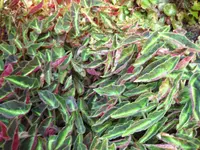
Coleus scutellarioides 'Alabama Sunset' is a tender ornamental plant grown mainly for its vivid foliage rather than flowers. It forms a compact, bushy mound with leaves that shift from gold and pink to deeper red tones as they mature.

This cultivar descends from tropical regions of Southeast Asia, so it thrives in warm, sheltered conditions and is usually grown as an annual outdoors or a container plant indoors. It responds well to regular pinching, which keeps it dense and colorful, and many gardeners find it a forgiving way to learn how to care for Coleus.

It prefers bright, indirect light, evenly moist but not waterlogged soil, and good airflow to reduce the risk of leaf problems.

Main Plant Requirements

Care Difficulty

Moderate Care

Light Preference

Partial Shade

Water Requirements

Keep Soil Moist

Temperature Preference

Tropical / Frost Sensitive

Hardiness Zone

10–11

Soil Texture

Loamy, Organic-rich, Peaty

Soil pH

Acidic (5.5–6.5), Slightly acidic (6.5–7.0)

Soil Drainage

Moist but well-drained

Fertilization

Moderate (every 2–4 weeks)

Get Personalized Care Plan

Scan your plant to receive care tips personalized for your specific plant

Available on iOS and Android

How to Care for the Coleus

Provide bright, indirect light to support strong growth and maintain leaf color.

  • Outdoors, place Coleus in morning sun with 3–5 hours of direct light, then afternoon shade or dappled light to prevent leaf scorch.
  • Indoors, use an east or bright north window, or filtered light near a south or west window, turning the pot weekly for even growth.
  • Faded colors, legginess, or leaning indicate too little light; crisp edges or bleached spots signal excessive direct midday or afternoon sun.

Maintain evenly moist but not saturated soil to protect roots and foliage quality.

  • Water when the top 2–3 cm of soil feels dry, soaking thoroughly until excess drains away, then allow slight surface drying before the next watering.
  • In hot, windy summer conditions, check soil daily; in cooler spring and fall, intervals naturally lengthen as evaporation slows.
  • Wilting, dry, curled leaves suggest underwatering, while yellowing lower leaves, soft stems, or a sour soil smell indicate poor drainage and overwatering stress in Coleus scutellarioides 'Alabama Sunset'.

Provide warm, stable temperatures to keep foliage dense and prevent stress.

  • Ideal growing range is 65–80°F (18–27°C), with best color and growth when nights stay above 60°F (16°C).
  • Treat this plant as frost-tender; growth stalls below 55°F (13°C) and tissue damage occurs near 40°F (4°C), so protect from cold snaps.
  • In hot spells above 90°F (32°C), give extra shade, airflow, and close monitoring of soil moisture to prevent heat stress and leaf scorch.

This cultivar prefers moderately moist air but adapts to most home conditions.

  • Aim for 40–60% humidity to keep foliage full and color strong.
  • It tolerates brief dry indoor air but prolonged levels under 30% can crisp leaf edges and tips.
  • Increase humidity with a nearby tray of wet pebbles or grouping plants, rather than misting leaves directly.

Soil for this plant should be loose, airy, and consistently moist yet free-draining.

  • Use a peat- or coco-based mix with added compost for nutrients and 20–30% perlite to improve drainage and aeration.
  • A light, loamy structure helps roots access oxygen and reduces the risk of waterlogging and root rot.
  • Target a slightly acidic to neutral pH around 6.0–7.0, which suits Coleus scutellarioides 'Alabama Sunset' nutrient uptake.
  • Avoid dense garden soil, heavy clay, and mixes that stay soggy or compact, especially in plastic or non-porous pots.

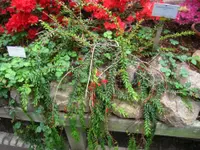
This plant is well suited to container growing for patios, balconies, and small gardens.

  • Choose a pot just 2–5 cm wider than the root ball so the mix dries evenly and roots establish quickly.
  • Select a heavy or wide-based container to reduce tipping as the leafy canopy becomes broad and top-heavy.
  • Use containers with large drainage holes and elevate the base slightly so excess water cannot pool under the pot.

During active growth, thoughtful feeding supports strong foliage color in Coleus scutellarioides 'Alabama Sunset'.

  • Use a balanced liquid fertilizer (for example 10-10-10 or 20-20-20) diluted to 1/4–1/2 strength.
  • Apply every 2–4 weeks from spring through late summer when growth is active.
  • Pause or reduce feeding to once every 6–8 weeks in fall and winter, especially indoors.
  • Slow-release pellets or a thin layer of compost in spring can provide a gentle nutrient baseline.

Targeted pruning keeps Coleus scutellarioides 'Alabama Sunset' compact, leafy, and colorful.

  • Pinch soft shoot tips in spring and summer to encourage branching and denser growth.
  • Remove dead, leggy, or damaged stems with clean scissors or hand pruners to maintain plant health.
  • Cut back crowded or shading stems to improve airflow and light penetration to lower leaves.
  • Snip off flower spikes as they appear if the goal is fuller foliage rather than seeds.

Container-grown plants benefit from occasional repotting to maintain vigorous growth.

  • Check for roots circling the pot, emerging from drainage holes, or unexplained slow growth as signs to repot.
  • Plan repotting in spring, moving up only 1 pot size to avoid waterlogged soil around young roots.
  • Gently loosen circling roots, trim any rotten sections, and replant in fresh, well-drained peat-free mix.
  • Water thoroughly after repotting, then keep in bright, indirect light for several days to reduce transplant stress.

New plants are most often produced from soft stem cuttings.

  • Take 7–10 cm non-flowering tip cuttings in late spring or summer, just below a leaf node.
  • Remove lower leaves and place cuttings in water or a moist, sterile mix, with nodes slightly buried.
  • Keep at 70–75°F in bright, indirect light and maintain high humidity around the cuttings.
  • After roots reach 2–3 cm, pot into small containers and acclimate gradually to normal conditions.

Cold-sensitive plants need active management through winter in most climates.

  • Treat as annual outdoors where temperatures fall below 40°F, or lift and grow indoors.
  • Before first frost, move containers inside to bright windows and above 55°F.
  • Reduce watering in winter so the potting mix dries slightly between waterings.
  • For plants left outside briefly in mild zones, a light mulch can buffer short cool spells around the roots.

Care Tips

Pinch For Bushiness

Pinch out the soft shoot tips every 2–3 weeks during active growth to encourage dense branching and delay early flowering, which keeps foliage color stronger and plants more compact.


Flower Spike Management

Remove developing flower spikes as soon as they appear by snapping or cutting them off at the base to prevent seed set, extend the plant’s lifespan, and maintain leaf size and color quality.

Rotate For Even Color

Rotate containers by 90° every 1–2 weeks so all sides receive similar light, which reduces lopsided growth and helps maintain uniform, saturated leaf coloration.

Overwintering Strategy

Before first frost, take 7–10 cm tip cuttings and root them indoors under bright light, then use these as clean, vigorous starter plants next spring instead of trying to overwinter large, woody specimens.

Check For Reversion

Inspect foliage regularly and remove any stems that revert to duller, mostly green leaves, cutting them back to the base so the plant’s energy supports the most colorful variegated growth, which simplifies caring for Coleus in mixed planters.

Common Pests and Diseases

Mealybugs

This pest appears as small white cottony clusters along stems and leaf nodes, often causing leaf yellowing and stunted growth. This pest is especially common on soft, fast-growing Coleus foliage kept indoors or in sheltered patios.

Solution

Isolate the plant, then wipe or dab pests with cotton swabs dipped in 70% isopropyl alcohol and rinse foliage with a gentle shower of water. For heavier infestations, repeat alcohol swabbing and use an insecticidal soap or neem oil spray every 7–10 days until no new mealybugs appear, checking leaf undersides and growing tips carefully as part of general Coleus indoor care.

Aphids

These insects cluster on tender shoots and the undersides of young leaves, sucking sap and causing curling, distortion, and sticky honeydew deposits. This pest is frequently attracted to the soft new growth that develops after pinching or heavy fertilizing.

Solution

Dislodge colonies by spraying the plant with a strong but controlled stream of water, especially on shoot tips and leaf undersides, then apply insecticidal soap or neem oil, repeating every 5–7 days as needed. Reduce excessive nitrogen fertilization and prune heavily infested shoot tips, discarding them in the trash rather than composting.

Spider mites

These insects are tiny and often invisible at first, but symptoms include fine webbing, speckled or faded leaves, and a dull overall appearance, especially in hot, dry conditions. This pest is a particular risk for indoor or greenhouse-grown plants in low humidity.

Solution

Rinse foliage thoroughly with lukewarm water, focusing on leaf undersides, then increase humidity around the plant and improve air circulation. Follow with repeated applications of insecticidal soap or horticultural oil every 5–7 days, continuing for several cycles after symptoms improve to disrupt the mite life cycle.

Downy mildew

This disease causes pale or yellow blotches on the upper leaf surface and a greyish to purplish fuzzy growth on the undersides, often leading to leaf drop in humid, cool conditions. Symptoms include a rapid decline in plant quality when foliage stays wet for long periods.

Solution

Remove and discard affected leaves promptly and avoid overhead watering so foliage dries quickly, especially in the evening. Improve spacing and airflow, water at the soil level, and if the problem persists, apply a fungicide labeled for downy mildew on ornamentals, alternating products if treated repeatedly to reduce resistance risk.

Bacterial leaf spot

This disease produces small, water-soaked or dark spots on leaves that may enlarge, merge, and cause tissue to tear or drop out, giving a shot-hole appearance. Symptoms include more severe damage during warm, wet weather or when leaves are handled while wet.

Solution

Prune out and discard infected leaves and any severely affected stems, disinfecting pruners between cuts with alcohol or a 10% bleach solution. Avoid splashing water on foliage, ensure good air movement, and refrain from overhead watering; where allowed, a copper-based bactericide can be used preventively on healthy leaves according to the label.

Interesting Facts

Color shift with light

This cultivar shows a pronounced color shift from golden-yellow to deep rose and burgundy as light intensity increases, which is caused by changes in anthocyanin pigmentation rather than leaf damage.

Compact, bushy habit

Compared with many seed-grown coleus types, this selection remains naturally compact and bushy, a trait stabilized through vegetative propagation rather than from seed.

Unstable foliar patterning

Individual plants can produce leaves with noticeably different mixes of cream, pink, and red over time, reflecting the chimeric origin of its variegation pattern, where genetically distinct tissues coexist in a single leaf.

FAQs about Coleus

Brown, crispy edges usually indicate low humidity, underwatering, or sun scorch. Check soil moisture, avoid letting it fully dry, and protect from harsh midday sun. Excess fertilizer salts can also burn margins; flush the pot occasionally.

Grow Healthy Plants with Botan Care

Keep your plants happy and healthy with plant identification, disease detection, and easy care guidance.

Botan plant care app — identify plants on mobile

Explore More Plants