Laelia furfuracea Care

Laelia furfuracea

About Laelia furfuracea

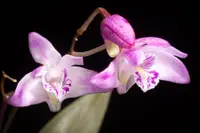
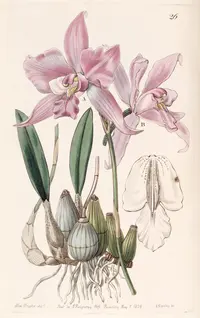
Laelia furfuracea is a compact epiphytic orchid, typically growing on trees in the wild rather than in soil. It forms tight clumps of slender pseudobulbs with narrow leaves and produces showy, often lilac to purple flowers on upright stems.

This species is native to higher-elevation regions of Mexico, where it experiences bright light, good air movement, and marked temperature changes between day and night. It is considered moderately challenging, mainly because it needs bright conditions, regular moisture combined with fast drainage, and a cool to intermediate temperature range. With an appropriate orchid mix and attention to its light needs, it is possible to successfully care for Laelia furfuracea at home.

Main Plant Requirements

Care Difficulty

Moderate Care

Light Preference

Partial Sun

Water Requirements

Moderate Water

Temperature Preference

Tropical / Frost Sensitive

Hardiness Zone

Unknown

Soil Texture

Sandy, Rocky, Organic-rich

Soil pH

Acidic (5.5–6.5)

Soil Drainage

Well-drained

Fertilization

Light (every 4–6 weeks)

Get Personalized Care Plan

Scan your plant to receive care tips personalized for your specific plant

Available on iOS and Android

How to Care for the Laelia furfuracea

This epiphytic orchid prefers bright, filtered light that mimics open forest conditions.

  • Provide 4–6 hours of bright, indirect light daily, such as morning sun with dappled shade from late morning onward.
  • Tolerates light shade, but flowering decreases if grown in less than about 3–4 hours of high-quality brightness; move gradually to brighter spots if growth is weak.
  • Avoid harsh midday and late-afternoon sun, which can scorch leaves and cause yellow, leathery patches, especially in summer.

Watering should balance moisture with rapid drainage to protect the roots of this orchid.

  • Allow the medium to dry almost completely between waterings; the top 2–3 cm should feel dry and the pot feel noticeably lighter before adding water.
  • In active growth and warm weather, watering may be needed every few days, but in cooler seasons or lower light, intervals lengthen significantly.
  • Signs of excess water include black, mushy roots and a sour smell, while wrinkled pseudobulbs and limp leaves indicate the plant is staying dry too long.

Temperature should reflect a mild, seasonally variable climate for stable growth and flowering.

  • Aim for days around 70–80°F (21–27°C) and nights near 55–65°F (13–18°C), which supports steady growth and bud formation.
  • The plant tolerates brief highs near 90°F (32°C) if humidity and air movement are good, but prolonged heat with stagnant air stresses roots and leaves.
  • Protect from temperatures below 45°F (7°C); it is not frost hardy, and repeated exposure near freezing can damage pseudobulbs and buds.

This orchid prefers moderate humidity but tolerates typical indoor ranges if not kept too warm.

  • Aim for 50–70% humidity; values below 40% for long periods increase stress risk, especially in warm rooms.
  • Dry air stress shows as wrinkled pseudobulbs and dull, slow-growing leaves rather than crisp, turgid growth.
  • Raise humidity with a pebble tray or nearby humidifier, but keep air moving to prevent stagnant, overly wet conditions around the plant.

Laelia furfuracea grows best in a very open, fast-draining epiphytic orchid mix rather than regular potting soil.

  • Use a coarse mix of medium bark, chunky perlite or pumice, and a little sphagnum moss to retain light moisture without clogging air spaces.
  • Ensure water drains completely within seconds of watering; roots should dry slightly between waterings to avoid rot.
  • Maintain a slightly acidic to neutral root zone around pH 5.5–6.5, which suits most orchid fertilizers and supports nutrient uptake.
  • Avoid dense peat-based or garden soils that compact, hold water around the roots, and sharply reduce aeration.

This species is well suited to container growing, especially in slatted baskets or orchid pots that emphasize drainage and airflow.

  • Choose a container just large enough to fit the rhizome and a couple of new growths so the mix dries evenly and does not stay wet in the center.
  • Use slatted wooden baskets, clay orchid pots, or plastic pots with side vents to increase air movement around the roots.
  • Position the plant slightly off-center if it tends to grow in one direction, giving space for new growths while keeping the container stable.

This epiphytic orchid benefits from light, consistent nutrition rather than heavy feeding.

  • Use a balanced orchid fertilizer (around 20-20-20) diluted to 1/4–1/2 strength for Laelia furfuracea.
  • Feed every 2 weeks during active growth in spring–summer, applying after thorough watering.
  • Reduce feeding to once a month in autumn and stop or nearly stop in winter rest.
  • Avoid slow-release granules in bark mixes; they can burn roots and foul the medium.

This orchid needs only minimal pruning focused on hygiene and spent growths.

  • Best time is after flowering, when new growths are visible and healthy.
  • Remove dead or shriveled pseudobulbs, dry flower spikes, and damaged leaves with sterilized scissors.
  • Cut close to the base without injuring firm, green tissue to limit infection risk.
  • Light pruning improves air flow around the clump and supports strong new flowering growth.

Repotting keeps this orchid’s roots healthy and prevents medium breakdown.

  • Repot every 2–3 years or when roots crawl over the pot edge, growth slows, or bark decomposes.
  • Choose late winter to early spring, just as new roots start, to minimize stress.
  • Gently remove old medium, keep firm pseudobulbs, and trim only dead, mushy roots.
  • Place the plant in a snug pot with fresh, coarse orchid bark, then keep slightly drier for 7–10 days.

Division is the standard method for increasing plants of this species at home.

  • Divide Laelia furfuracea in late winter or early spring when repotting and new roots appear.
  • Use a sterile knife to separate clumps, keeping at least 3–4 healthy pseudobulbs per division.
  • Pot divisions in fresh, coarse orchid mix and stake loosely for stability.
  • Maintain bright, filtered light, high humidity, and gentle air movement to support rooting.

This orchid prefers mild, frost-free winters and does not tolerate freezing conditions.

  • Keep temperatures around 50–60°F at night and 60–70°F by day during winter rest.
  • Move container plants indoors or to a cool greenhouse before nights approach 45°F.
  • Reduce watering, allowing the medium to dry more between waterings, but do not let pseudobulbs shrivel strongly.
  • Provide bright, filtered light and good air movement to prevent fungal problems in cool, still air.

Care Tips

Mounting strategy

Mount plants on cork or hardwood with a thin pad of long-fiber sphagnum only around the roots, leaving the rhizome exposed so new growths can attach and dry quickly after watering.

Air movement management

Use a small oscillating fan on a low setting aimed past, not directly at, the plant to keep air moving around the leaves and roots, which reduces fungal problems in warm, bright conditions.

Dry rest adjustment

In late fall and winter, shift to a pronounced dry rest by stopping regular watering and giving only light misting or a quick splash every 2–3 weeks so pseudobulbs just begin to wrinkle but do not collapse.

Root monitoring

Inspect exposed roots monthly and trim only clearly dead, hollow, or black sections with sterilized tools, leaving firm silver or green roots intact to support the plant during active growth.

Bloom spike support

When flower spikes extend, clip them loosely to thin bamboo or fiberglass stakes using soft plant ties so the spikes stay upright without kinking at the base, which helps when growing Laelia furfuracea in bright, breezy spots.

Common Pests and Diseases

Scale insects

This pest attaches firmly to pseudobulbs and leaves, sucking sap and causing yellowing, shriveling, and sticky honeydew on the plant. Symptoms include slowed growth and a rough, crusty feel on older canes and leaf bases.

Solution

Remove heavily infested areas with cotton swabs dipped in isopropyl alcohol and gently scrape off larger scale with a soft tool, taking care not to damage the tissue. Improve light and air movement, isolate affected plants, and use a horticultural oil or insecticidal soap labeled for orchids, repeating applications every 7–10 days until no new scale appears.

Spider mites

These insects thrive on Laelia foliage in warm, dry conditions, causing fine stippling, dull leaves, and sometimes fine webbing on the undersides. This pest is more common on plants grown with very low humidity or next to hot, drying air currents.

Solution

Rinse leaves thoroughly with lukewarm water, focusing on the undersides, then increase humidity to around 50–60% and improve air circulation. For persistent infestations, use an insecticidal soap or a miticide safe for orchids, applied according to label directions and repeated as needed to catch new hatchlings.

Bacterial brown spot

This disease produces water-soaked, translucent patches on leaves or pseudobulbs that quickly turn brown to black and may develop a foul smell. Symptoms include rapidly expanding lesions, especially when plants stay wet and warm with poor air movement.

Solution

Immediately remove and discard infected tissue with a sterile blade, cutting well into healthy tissue, then keep the plant dry on the foliage and crown. Improve air circulation, water early in the day, and apply a bactericide labeled for orchids to exposed cut surfaces and adjacent plants if conditions remain warm and humid.

Leaf anthracnose

This disease causes small, sunken, tan to dark-brown spots on leaves that may merge into larger patches with a yellow halo, especially on older foliage. Symptoms include a gradual decline in leaf quality when plants are kept too shaded and remain damp for long periods.

Solution

Trim off affected leaves or leaf sections with sterilized tools and ensure the plant receives brighter filtered light and faster drying conditions. Reduce overhead watering, space plants for better airflow, and apply a fungicide labeled for anthracnose on orchids if new spots continue to appear.

Snails and slugs

These pests feed at night on tender new roots, shoots, and flower spikes, leaving irregular holes and silvery slime trails on and around the plant. Damage is often most noticeable on emerging growths of Laelia in bark or mounted culture.

Solution

Hand-pick snails and slugs at night using a flashlight and remove hiding places such as overturned pots and dense ground litter near the growing area. Use physical barriers, copper tape, or species-appropriate iron phosphate baits around benches or pots, and keep the area drier at night to make conditions less favorable for them when growing Laelia furfuracea.

Interesting Facts

Bark‑clinging epiphyte

This orchid naturally grows as an epiphyte on tree trunks and branches in Mexican oak and pine-oak forests, anchoring to bark rather than rooting in soil.

Cool to intermediate native

It is native to higher elevation habitats in Oaxaca and neighboring regions, where nights are relatively cool and days are bright, giving it a distinct preference for pronounced day–night temperature swings.

Distinctive furfuraceous texture

The species name furfuracea refers to a scurfy or flaky surface texture, describing the fine, bran-like coating found on parts of the plant and helping distinguish it from closely related Laelia species.

FAQs about Laelia furfuracea

Poor flowering usually comes from insufficient light intensity, lack of a cooler, drier rest period, or low potassium and phosphorus. Check that the plant experiences a seasonal temperature drop, receives bright conditions, and is not overfed with nitrogen-heavy fertilizer.

Grow Healthy Plants with Botan Care

Keep your plants happy and healthy with plant identification, disease detection, and easy care guidance.

Botan plant care app — identify plants on mobile

Explore More Plants