Dieffenbachia oerstedii Care

Dieffenbachia oerstedii

About Dieffenbachia oerstedii

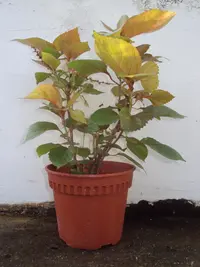
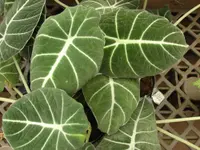
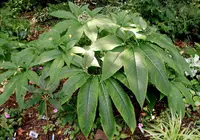
Dieffenbachia oerstedii is a tropical evergreen houseplant grown mainly for its broad, patterned leaves. It usually forms a dense clump with upright, cane-like stems. Leaves are typically green with lighter midribs or speckling, giving the plant a bold, architectural look indoors. In nature, it occurs in humid, shaded forests of Central America. This species adapts reasonably well to indoor conditions if given stable warmth, moderate to bright indirect light, and evenly moist, well-drained soil. Its fast growth and clear visual signals of stress make it fairly straightforward to monitor, which helps plant owners learn how to care for Dieffenbachia oerstedii over time.

Main Plant Requirements

Care Difficulty

Moderate Care

Light Preference

Bright Indirect Light

Water Requirements

Moderate Water

Temperature Preference

Tropical / Frost Sensitive

Hardiness Zone

11–12

Soil Texture

Loamy, Peaty, Organic-rich

Soil pH

Acidic (5.5–6.5), Slightly acidic (6.5–7.0)

Soil Drainage

Moist but well-drained

Fertilization

Light (every 4–6 weeks)

Get Personalized Care Plan

Scan your plant to receive care tips personalized for your specific plant

Available on iOS and Android

How to Care for the Dieffenbachia oerstedii

This plant grows best in bright, filtered light that mimics a forest understory.

  • Provide 6–8 hours of bright, indirect light per day; morning sun through sheer curtains is suitable, but avoid direct midday and afternoon sun on leaves.
  • Tolerates partial shade, but in very low light new growth becomes sparse, internodes stretch, and leaf variegation fades.
  • In summer, move farther from harsh windows or use sheer curtains; in winter, shift closer to bright windows to compensate for shorter days.

Watering should maintain lightly moist but not saturated soil around the root zone.

  • Allow the top 2–4 cm of soil to dry before watering, using a finger test rather than a fixed schedule; this suits most indoor Dieffenbachia oerstedii specimens.
  • Use free-draining potting mix and containers with drainage so water runs out the bottom within seconds, reducing the risk of root rot and sour-smelling soil.
  • In spring and summer, soil may dry faster; in fall and winter, extend the drying interval and watch for overwatering signs such as yellowing lower leaves and mushy stems.

Stable, warm conditions support steady growth and reduce stress on this species.

  • Aim for 65–80°F (18–27°C) for active growth; avoid large daily swings greater than about 10°F (6°C).
  • Protect from cold; growth slows below 60°F (16°C) and tissue damage can occur near 50°F (10°C), while any frost can kill exposed foliage.
  • In hot spells above 85°F (29°C), increase air movement and humidity while keeping the plant out of direct sun to limit leaf scorch and wilting.

This species benefits from moderate to high indoor humidity for stable foliage health.

  • Aim for 50–70% humidity to reduce leaf edge browning and tip burn.
  • Tolerates short periods of dry air, but prolonged levels below 40% cause crispy margins and dull, drooping leaves.
  • Increase humidity with a nearby humidifier, grouped plants, or a wide pebble tray, avoiding mist that leaves foliage wet for long periods.

Dieffenbachia oerstedii prefers a loose, airy, organic-rich substrate that drains quickly but holds some moisture.

  • Use a mix of roughly 50% peat or coco coir, 25% perlite, and 25% fine bark or compost for structure and water retention.
  • Ensure the soil is free-draining so water moves through in seconds, preventing waterlogged, sour-smelling pockets around the roots.
  • Target a slightly acidic to neutral pH around 6.0–7.0, which supports nutrient availability and stable growth.
  • Improve aeration by avoiding compaction, hand-fluffing the top layer periodically, and discarding mixes that stay wet and sticky for days.

This species adapts very well to container growing in homes and offices.

  • Select a pot just 2–4 in wider than the root mass to limit excessive wet soil that can suffocate roots.
  • Choose a heavier or broader-based pot if the plant grows tall, to prevent tipping when foliage becomes top-heavy.
  • Use a pot material that matches your watering style, such as porous terracotta for faster drying or plastic to hold moisture slightly longer.

Nutrient inputs support steady, leafy growth for Dieffenbachia oerstedii in containers.

  • Use a balanced liquid fertilizer (for example 10-10-10 or 20-20-20) diluted to 1/4–1/2 strength for indoor plants.
  • Apply every 4–6 weeks during the growing season, when light and temperatures are stable.
  • Avoid feeding in late fall and winter, or when growth is slow or plants are stressed.
  • Slow-release granules or a thin layer of mature compost can substitute for some liquid feedings.

Pruning helps maintain a compact, healthy shape and removes weak tissue on Dieffenbachia oerstedii.

  • Time structural pruning for spring or early summer, when growth resumes actively.
  • Cut out yellowing, dead, or damaged leaves at the base of the petiole using clean, sharp scissors or pruners.
  • Shorten tall, bare stems above a node to encourage branching and fuller top growth.
  • Disinfect blades before and after use to limit disease spread through sap-exuding cuts.

Container-grown plants benefit from periodic repotting to refresh soil and space roots.

  • Check for roots circling the pot, pushing through drainage holes, or slowing growth as signals to repot Dieffenbachia oerstedii.
  • Plan repotting for spring, typically every 2–3 years, when active growth supports recovery.
  • Move into a pot only 2–5 cm wider, using fresh, well-drained, peat-free indoor mix.
  • Water thoroughly after repotting, then keep slightly moist and shaded for 1–2 weeks to reduce root stress.

New plants are usually produced from stem cuttings rather than seed for this species.

  • Take 8–12 cm stem cuttings with at least 1–2 nodes in late spring or summer.
  • Let cut surfaces dry briefly, then place the basal end in moist, sterile, well-drained medium.
  • Maintain 70–80°F, high humidity, and bright, indirect light to encourage rooting.
  • After firm roots develop, shift cuttings into individual pots and resume normal watering and feeding.

This species is frost-sensitive and is best treated as a warm indoor plant in cold climates.

  • Move outdoor containers indoors before temperatures drop below 55°F, avoiding drafts and temperature swings.
  • Maintain indoor temperatures around 65–80°F with bright, indirect light during winter months.
  • Water less often in low light, allowing the top 2–3 cm of mix to dry between waterings.
  • In mild climates, keep plants in sheltered, frost-free spots and insulate pots if nights approach 40°F.

Care Tips

Rotate For Balance

Turn the pot 90° every 1–2 weeks to keep stems growing upright and prevent the plant from leaning or stretching unevenly toward the light.

Stake Tall Canes

Once stems reach 30–40 cm and begin to bend, insert a slim stake close to the main cane and secure it loosely with soft ties to prevent snapping and to maintain an attractive, vertical form.

Refresh Leggy Plants

If lower leaves are lost and stems look bare, cut a cane just above a node and replant the healthy top in fresh mix, while the remaining stump often resprouts from dormant buds.

Safe Handling Routine

Wear gloves and avoid touching your face or eyes when pruning or repotting, then rinse tools and hands thoroughly afterward, as the sap is irritating to skin and mucous membranes when caring for Dieffenbachia oerstedii.

Prevent Soil Gnats

Use a well-draining mix in a pot with drainage holes and remove fallen leaves quickly, then apply a 1–2 cm top dressing of horticultural sand or fine gravel to discourage fungus gnat breeding in the upper soil layer.

Common Pests and Diseases

Spider mites

This pest often appears on stressed plants in dry indoor air and feeds on leaf sap, causing stippling, dulling, and fine webbing under the leaves. Symptoms include yellow speckling that can progress to bronzing and leaf drop if infestations are heavy.

Solution

Rinse foliage thoroughly with lukewarm water, focusing on leaf undersides, then repeat every few days for 1–2 weeks; follow with applications of insecticidal soap or neem oil, ensuring full leaf coverage. Increase humidity to 50–60% and avoid placing the plant in hot, dry drafts, as this reduces reinfestation and supports overall Dieffenbachia oerstedii care instructions.

Mealybugs

These insects form white, cottony clusters in leaf axils, along stems, and sometimes on roots, where they suck sap and excrete sticky honeydew. Symptoms include stunted growth, distorted new leaves, and sooty mold growing on the honeydew in severe cases.

Solution

Isolate the plant, then dab visible insects with cotton swabs dipped in 70% isopropyl alcohol and wipe affected areas clean. Follow with several treatments of insecticidal soap or horticultural oil at 7–10 day intervals and inspect regularly to remove any remaining clusters by hand.

Bacterial leaf spot

This disease causes water-soaked, translucent spots that may turn brown with yellow halos, often starting on lower or older leaves. Symptoms include rapidly enlarging lesions under warm, wet conditions and potential leaf drop when infection is advanced.

Solution

Remove and discard affected leaves using sterilized tools, avoid overhead watering, and keep foliage dry, especially at night. Improve air circulation, reduce crowding with other plants, and, in severe or recurring cases, discard heavily infected plants to protect nearby Dieffenbachia and other aroids.

Anthracnose

This disease produces irregular tan to dark brown lesions along leaf margins or between veins, sometimes coalescing into larger dead patches. Symptoms include thin, papery dead tissue that may have dark, pinpoint fungal fruiting bodies in severe infections.

Solution

Prune and discard infected leaves and any fallen debris, sterilizing tools between cuts, and avoid splashing water onto foliage. Provide moderate spacing and airflow, water at the soil level in the morning, and, if needed, use a labeled copper-based fungicide according to instructions to protect new growth.

Scale insects

These insects appear as small, brown or tan bumps along stems and leaf midribs where they remain fixed while feeding on sap. Symptoms include sticky honeydew, yellowing leaves, and decline in vigor over time.

Solution

Gently scrape off or wipe scales with a soft cloth or cotton swabs dipped in 70% isopropyl alcohol, then rinse the plant to remove residues. Repeat manual removal and apply insecticidal soap or horticultural oil on all stem and leaf surfaces every 7–14 days until no new scales are observed.

Interesting Facts

Costa Rica lowland native

This species occurs naturally in humid lowland forests of Costa Rica and adjacent regions, where it grows on shaded forest floors rather than as an epiphyte or climber.

Distinctive leaf patterning

Its leaves typically show a broad mid-green background with irregular pale central zones and scattered lighter spots, forming a more elongated and less blotchy pattern than many other commonly grown Dieffenbachia species.

Shade-tolerant understory herb

In its native habitat it occupies the forest understory, adapted to filtered light and high air humidity, which explains its moderate growth rate and preference for stable indoor conditions.

FAQs about Dieffenbachia oerstedii

This species is well suited to indoor decoration because of its broad, patterned leaves and upright habit. It performs reliably in containers and adapts well to typical room conditions, making Dieffenbachia oerstedii indoor care relatively straightforward for most households.

Grow Healthy Plants with Botan Care

Keep your plants happy and healthy with plant identification, disease detection, and easy care guidance.

Botan plant care app — identify plants on mobile

Explore More Plants