anise burnet saxifrage Care (Pimpinella anisum)

Also known as: Anise, aniseed
anise burnet saxifrage

About anise burnet saxifrage

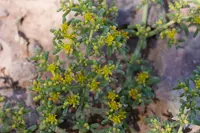
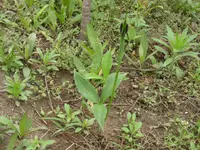
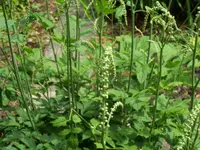
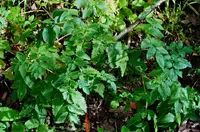
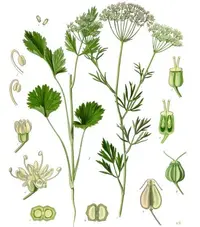
Anise burnet saxifrage (Pimpinella anisum) is an annual herb grown mainly for its aromatic seeds, which have a sweet, anise-like flavor and scent. It forms slender, upright stems with fine, feathery foliage and small white flower clusters that attract many pollinators.

The plant originates from the eastern Mediterranean and southwest Asia, but it is now cultivated in many temperate regions for culinary and herbal use. It is generally easy to grow, as long as it receives enough sun, moderate moisture, and well-drained soil.

Gardeners who want to care for anise burnet saxifrage should know it dislikes waterlogged conditions and grows best in a relatively open, bright position without prolonged shade or strong competition from larger plants.

Main Plant Requirements

Care Difficulty

Moderate Care

Light Preference

Full Sun

Water Requirements

Moderate Water

Temperature Preference

Cool Climate

Hardiness Zone

4–9

Soil Texture

Sandy, Loamy, Organic-rich

Soil pH

Acidic (5.5–6.5), Slightly acidic (6.5–7.0)

Soil Drainage

Well-drained

Fertilization

Light (every 4–6 weeks)

Get Personalized Care Plan

Scan your plant to receive care tips personalized for your specific plant

Available on iOS and Android

How to Care for the anise burnet saxifrage

Pimpinella anisum thrives in bright, open conditions to fuel strong growth and seed production.

  • Provide full sun for 6–8 hours daily; light afternoon shade is acceptable in very hot, dry regions to limit leaf scorch.
  • Choose a position with unobstructed morning sun; slight dappled shade after 2–3 p.m. helps protect tender foliage during heatwaves.
  • Plants in deep shade grow weak and leggy with poor flowering; for caring for anise burnet saxifrage outdoors, relocate if stems lean strongly toward the light.

This annual herb prefers steady soil moisture without becoming waterlogged.

  • Water when the top 3–5 cm of soil feels dry, applying a deep soak so moisture reaches the root zone rather than frequent light sprinkling.
  • Ensure soil drains freely; puddling for more than 10–15 minutes or a sour smell signals poor drainage and a risk of root rot in Pimpinella anisum.
  • During hot, windy periods increase checks for dryness, while in cool or rainy weather reduce watering and watch for yellowing, limp stems as a sign of excess moisture.

This species grows best in mild, temperate conditions with moderate summer warmth.

  • Optimal growth occurs around 65–75°F (18–24°C), supporting steady leaf and flower development without stress.
  • Seeds germinate best at 60–70°F (16–21°C); once established, plants tolerate up to about 85–90°F (29–32°C) if soil moisture is consistent.
  • The plants are frost-sensitive; avoid exposure below 32°F (0°C), and sow outdoors only after the last spring frost when nights stay above 45–50°F (7–10°C).

Humidity is rarely critical for Pimpinella anisum grown in typical household or outdoor conditions.

Pimpinella anisum prefers light, well-drained soil that stays evenly moist but not waterlogged.

  • Use a sandy or sandy-loam structure with 20–30% compost to support steady growth and root development.
  • Ensure rapid drainage by avoiding heavy clay; if native soil is dense, mix in coarse sand and fine gravel.
  • Aim for a slightly acidic to neutral pH around 6.0–7.0, amending overly acidic sites with a small amount of garden lime.
  • Break up compaction before sowing, creating a loose top 15–20 cm so roots can penetrate and access oxygen easily.

This species is suitable for container growing when the pot supports its long taproot and prevents waterlogging.

  • Choose a deep container at least 25–30 cm tall so the taproot can extend without curling tightly at the base.
  • Select a heavier material like terracotta or ceramic outdoors to reduce tipping in wind as the plant gains height.
  • Fill the pot with a loose, sandy mix that sheds water quickly, leaving 2–3 cm below the rim to avoid runoff when watering.

Pimpinella anisum benefits from light, targeted feeding during its main growth phase.

  • Use a balanced NPK liquid fertilizer at half strength every 3–4 weeks in spring and early summer for container plants.
  • In the ground, work in a thin layer of compost before sowing or transplanting rather than frequent feeding.
  • Avoid high-nitrogen products, which push soft leaf growth and may reduce seed quality.
  • Stop feeding in late summer; do not fertilize during winter or after plants start to senesce.

Pruning Pimpinella anisum is minimal and mainly supports healthy growth and a tidy shape.

  • In late spring to early summer, use clean scissors or hand pruners to remove dead, yellowing, or storm-damaged stems.
  • Lightly thin crowded stems to improve airflow, which lowers the risk of fungal disease on foliage.
  • Deadhead spent flower heads if seed harvest is not desired, which can modestly extend blooming.
  • After seed collection, cut back dry stems near ground level to neaten the bed and prevent self-sowing.

Anise burnet saxifrage is usually grown as an annual crop, so repotting or transplanting is limited.

  • Sow seeds directly outdoors in spring where plants will grow, as the taproot dislikes disturbance.
  • If started in pots, transplant very young seedlings once they have 2–3 true leaves, before roots circle the container.
  • Move seedlings on a cool, cloudy day and keep as much root ball intact as possible to reduce shock.
  • Water gently after transplanting and keep soil evenly moist for 7–10 days while roots re-establish.

Pimpinella anisum is almost always propagated from seed for reliable results.

  • Sow fresh seed in early to mid-spring once soil reaches about 60°F and the risk of hard frost has passed.
  • Choose a sunny site with loose, well-drained soil and lightly cover seeds with 0.5–1 cm of fine soil.
  • Keep the surface evenly moist, not waterlogged, until germination in 10–20 days.
  • Thin seedlings to allow 20–25 cm spacing so each plant has enough light and airflow to develop strong stems.

Pimpinella anisum is a frost-sensitive annual and usually does not require complex winter care, as plants die back after seeding.

  • Expect foliage to blacken and die after the first hard frost; remove spent plants to reduce self-seeding and disease carryover.
  • In cooler regions, grow in containers and finish the crop indoors near a sunny window before outdoor frosts.
  • Mulching is only useful to keep autumn soil workable for late sowings, not to overwinter the plants.

Care Tips

Shallow sowing bands

Sow seeds in wide, shallow bands rather than single rows to let stems support each other in wind while still allowing air movement through the stand.

Early-season wind support

In exposed sites, place low mesh or string lines at 15–20 cm height along rows before plants reach that size, so young, brittle stems lean on the support instead of snapping in strong wind.

Timely staking removal

Remove or loosen any temporary stakes and ties once stems have thickened and set seed umbels, so plants can flex naturally and are less likely to kink or break at tie points.

Targeted seed harvest

Harvest seed heads in 2–3 passes, cutting only the umbels that have turned light brown and feel dry, which reduces shattering losses and improves overall seed quality.

Rotate and rest beds

Use a 3–4 year crop rotation and avoid planting anise after other Apiaceae like carrot or dill to lower disease and pest pressure when caring for anise burnet saxifrage.

Common Pests and Diseases

Aphids

These insects cluster on young stems and flower stalks, sucking sap and causing curling, yellowing, and sticky honeydew on leaves and umbels.

Solution

Spray plants with a strong stream of water to dislodge colonies, then treat remaining clusters with insecticidal soap or a neem oil solution, repeating every 5–7 days until populations drop; encourage natural predators like lady beetles by avoiding broad-spectrum insecticides.

Anise rust

This disease causes small yellow spots on upper leaf surfaces and orange-brown powdery pustules on the undersides, which can merge and lead to premature leaf drop.

Solution

Remove and destroy infected leaves and plant debris, avoid overhead watering, and improve spacing for better airflow; in regions with recurring rust problems, use a sulfur or copper-based fungicide preventively at early symptom appearance, following label directions.

Powdery mildew

This disease appears as white, powdery patches on leaves and stems, often starting on older foliage and leading to distorted, yellowing leaves in humid, crowded plantings.

Solution

Increase sun exposure and airflow by thinning dense stands, water at soil level in the morning, and apply a potassium bicarbonate, sulfur, or neem-based fungicide at the first sign of infection to protect new growth.

Leaf spot

Symptoms include small, dark brown to black spots with pale halos on leaves, which can enlarge, merge, and cause partial defoliation in wet, warm conditions.

Solution

Remove affected leaves promptly and keep foliage as dry as possible by watering at the base; rotate planting sites yearly, avoid planting near last year’s umbellifer crops, and consider a copper-based fungicide if spots spread rapidly during extended wet weather.

Umbel blight

This disease affects flower clusters, causing browning, shriveling, and poor seed set, often developing in prolonged damp weather close to harvest.

Solution

Cut and destroy infected inflorescences immediately, avoid overhead irrigation during flowering, and maintain wider spacing in beds to improve drying; for growers focused on seed production and growing anise burnet saxifrage in the same area each year, consider crop rotation and sanitation as primary management tools.

Interesting Facts

Distinct anethole aroma

Its characteristic licorice-like smell and flavor come mainly from anethole, a phenylpropanoid compound also found in fennel and star anise, but in a distinct proportion that gives anise its sharper, sweeter note.

Ancient Mediterranean crop

This species has been cultivated in the eastern Mediterranean and Southwest Asia for thousands of years and is documented in classical Greek and Roman texts as a valued spice and flavoring seed.

Specialized pollinator attractant

The small white flowers are arranged in compound umbels that offer easy landing platforms and accessible nectar, making the plant particularly attractive to small solitary bees, hoverflies, and parasitic wasps that can also help control crop pests.

Botan icon

Did you know?

The seeds of this species have long been used as a key flavoring in traditional liqueurs such as ouzo, raki, and pastis, where their high anethole content causes the distinctive milky clouding effect when the drink is diluted with water, known as the ouzo effect.

FAQs about anise burnet saxifrage

Yes, this species is edible. The seeds are used as a culinary spice with a sweet anise-like flavor, often in baking and liqueurs. Leaves can season salads or teas, but seeds have the strongest taste.

Grow Healthy Plants with Botan Care

Keep your plants happy and healthy with plant identification, disease detection, and easy care guidance.

Botan plant care app — identify plants on mobile

Explore More Plants