Bulb Size Sorting
Sort planting stock by bulb size and plant similar sizes together so that uniform vigor and height simplify harvest timing and reduce shading of weaker plants.

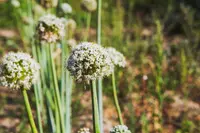
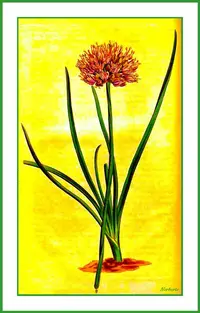
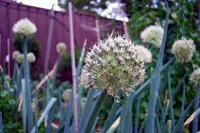
Broadleaf wild leek (Allium ampeloprasum) is a perennial bulb in the onion family, grown for its thick, leek-like leaves and tall flowering stalks. It forms clumps over time, with strap-shaped foliage and spherical clusters of small, usually purple to pink flowers.
This species occurs naturally around the Mediterranean region but is also cultivated and naturalized in many temperate climates. It is generally robust and cold-tolerant, though it dislikes waterlogged conditions.
Once established, it is relatively undemanding, provided it receives good light, moderate moisture, and well-drained soil. Gardeners who learn how to care for broadleaf wild leek usually find it reliable and long-lived.

Care Difficulty
Easy Care

Light Preference
Full Sun

Water Requirements
Moderate Water

Temperature Preference
Cold Hardy

Hardiness Zone
4–9

Soil Texture
Sandy, Loamy, Clay

Soil pH
Acidic (5.5–6.5), Slightly acidic (6.5–7.0)

Soil Drainage
Well-drained

Fertilization
Minimal (feed rarely)
Scan your plant to receive care tips personalized for your specific plant
Available on iOS and Android
Allium ampeloprasum develops strong bulbs and leaves in consistent full sun conditions.
Allium ampeloprasum prefers steady but not excessive soil moisture around its developing bulbs.
This species is cool-season tolerant and handles a wide range of outdoor temperatures in temperate climates.
This species tolerates a wide humidity range and rarely needs special humidity management in typical home or outdoor conditions.
Allium ampeloprasum prefers loose, well-aerated mineral soil that drains freely yet holds moderate moisture.
This species can be grown successfully in containers when depth, drainage, and stability are managed carefully.
Allium ampeloprasum benefits from modest feeding to support leafy growth and bulb development in lean soils.
Allium ampeloprasum needs minimal pruning, focused on hygiene and managing self-seeding.
Long-lived clumps of Allium ampeloprasum are usually lifted and transplanted rather than repotted.
This species is commonly propagated by bulb division and, less often, by seed for breeding or genetic diversity.
Allium ampeloprasum is generally cold hardy in temperate climates and needs little special winter care in the ground.

Plant Health Check
Not sure what's wrong with your plant? Check your plant's health inside the app.
This species is considered the wild progenitor of the cultivated garden leek and several related horticultural forms, providing the genetic base for many modern leeks grown as vegetables.
Some forms produce clusters of bulbils (small bulb-like structures) in the flower head, which allow the plant to reproduce vegetatively and spread without relying only on seed.
It is native to coastal regions of the Mediterranean Basin and nearby areas, where it grows in dry, rocky, and often saline soils, showing strong adaptation to wind, sun, and limited water.

Genetic and historical evidence suggests that this single wild species underlies a whole crop complex, including leeks, kurrat (Egyptian leek), and several ornamental drumstick and elephant garlic forms, making it an important model for understanding domestication within the onion–garlic group.
This species spreads gradually through bulbs and sometimes self-seeding. In good conditions it can form clumps and small colonies but is usually manageable. Lifting and dividing bulbs every few years keeps its spread under control.
Keep your plants happy and healthy with plant identification, disease detection, and easy care guidance.