Timed sowing cycles
Stagger sowing in 2–3 weekly intervals in early spring so patches mature at different times, which maintains a fresher stand and reduces the risk of the whole planting going over at once or lodging after a single storm event.

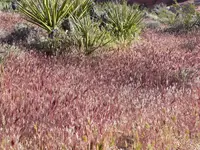
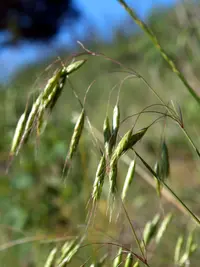
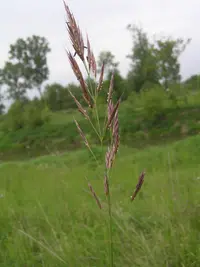
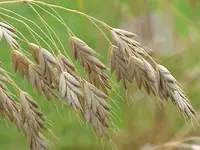
Compact brome, Bromus madritensis, is an annual grass species with a dense, tufted habit and narrow leaves. It produces nodding flower heads made of many small spikelets.
The plant is native to the Mediterranean region but is now naturalized in many temperate areas, including parts of North America, where it often appears in disturbed sites and dry fields.
It grows quickly, sets seed early, and can become weedy in favorable conditions, which makes it easy to establish but harder to control. In general, it prefers full sun, dry to moderately moist soil, and open, well-drained sites, which guides how to care for compact brome in gardens or restoration plantings.

Care Difficulty
Easy Care

Light Preference
Full Sun

Water Requirements
Low Water

Temperature Preference
Warm Climate

Hardiness Zone
6–10

Soil Texture
Sandy, Loamy, Rocky

Soil pH
Slightly acidic (6.5–7.0), Slightly alkaline (7.0–7.5)

Soil Drainage
Well-drained

Fertilization
Minimal (feed rarely)
Scan your plant to receive care tips personalized for your specific plant
Available on iOS and Android
This annual grass prefers open, bright exposure typical of Mediterranean-type climates.
This species evolved in dry regions and prefers lean, well-drained conditions rather than frequent watering.
This grass is adapted to mild, dry climates with cool to warm growing seasons.
Humidity is not a major factor for Bromus madritensis, which thrives in typical outdoor air conditions.
Bromus madritensis prefers lean, well-drained mineral soils that do not stay wet for long.
This species can be grown in containers outdoors if the pot is set up to stay dry between waterings.
This annual grass usually needs little feeding in average garden soil, but light nutrition can support healthy growth when caring for compact brome in poor substrates.
Pruning Bromus madritensis focuses on hygiene and managing self-seeding rather than shaping the plant.
This annual grass is more often direct-sown or transplanted outdoors than maintained long term in containers.
Propagation of Bromus madritensis is most practical and reliable from seed.
As a cool-season annual, this grass usually completes its life cycle before winter and needs minimal cold-season care.

Plant Health Check
Not sure what's wrong with your plant? Check your plant's health inside the app.
This annual grass is native to the Mediterranean Basin and nearby arid regions, where it is adapted to mild, wet winters followed by hot, dry summers, a pattern that shapes its rapid life cycle.
Seeds usually germinate in late fall or winter, and plants complete flowering and seed production by early summer, allowing the species to escape the most intense seasonal drought.
Its spikelets carry stiff awns (elongated bristle-like tips) that help seeds lodge in soil cracks and animal fur, increasing the chances of short-distance dispersal and successful establishment.

In parts of western North America, Bromus madritensis is considered an invasive annual grass that can increase fine, dry fuel loads, contributing to more frequent and intense grass-dominated wildfires in ecosystems that historically burned less often.
This grass germinates and establishes quickly, often maturing within a single growing season. In suitable conditions it behaves as a fast-growing annual or short-lived annual-like plant, which is important to consider when managing spread and reseeding.
Keep your plants happy and healthy with plant identification, disease detection, and easy care guidance.