Targeted clump division
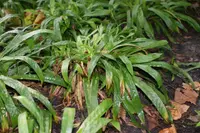
Split older, congested clumps every 3–4 years in early spring, replanting only the vigorous outer sections to maintain upright habit and reduce lodging (stem flopping).

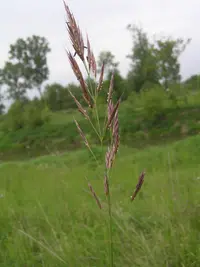
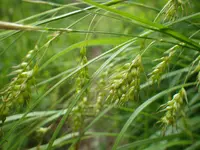
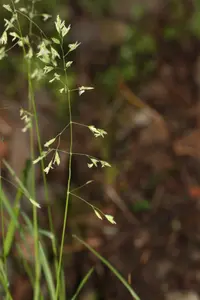
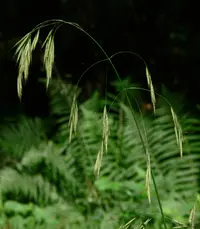
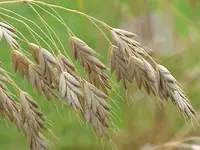
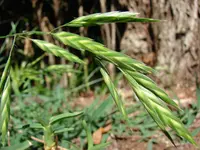
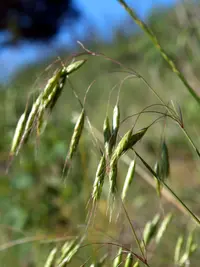
Erect brome (Bromus erectus) is a perennial bunchgrass that forms tight, upright clumps with slender stems and narrow, medium-green leaves. It produces airy flowering heads that turn straw-colored as seeds mature, giving a fine-textured, naturalistic look. Native to dry grasslands and calcareous slopes across Europe and western Asia, it is often used in meadow-style plantings and ecological restoration. The plant is generally robust and long-lived, but its preference for well-drained, relatively dry, low-fertility soils can make it less suitable for very wet or highly enriched garden beds. Those who want to care for erect brome should focus on mimicking an open, sunny, moderately dry habitat.

Care Difficulty
Easy Care

Light Preference
Full Sun

Water Requirements
Low Water

Temperature Preference
Cold Hardy

Hardiness Zone
4–8

Soil Texture
Sandy, Loamy, Rocky

Soil pH
Slightly acidic (6.5–7.0), Slightly alkaline (7.0–7.5)

Soil Drainage
Well-drained

Fertilization
Minimal (feed rarely)
Scan your plant to receive care tips personalized for your specific plant
Available on iOS and Android
This perennial grass prefers open, bright conditions to maintain dense, upright growth.
This species prefers moderately dry conditions and does best in freely draining soil.
This cool-season grass is adapted to temperate climates with distinct seasons.
Humidity is rarely a limiting factor for erect brome, which tolerates a wide range of outdoor conditions.
Bromus erectus prefers lean, well‑drained mineral soil that does not stay wet for long.
This grass can be grown in containers if the pot is prepared to stay stable and drain quickly.
This grass is adapted to low-fertility soils and usually needs only light feeding in cultivation.
Pruning is mainly used to keep Bromus erectus tidy and encourage fresh foliage.
This bunchgrass is more often transplanted in the ground than kept as a long-term container plant.
Bromus erectus is commonly propagated by division or seed, depending on the desired uniformity.
This species is generally cold hardy and needs minimal winter care in most temperate climates.

Plant Health Check
Not sure what's wrong with your plant? Check your plant's health inside the app.
Bromus erectus is a characteristic species of dry, base‑rich (calcareous) grasslands across much of Europe, where it often dominates plant communities on shallow chalk and limestone soils.
This species forms dense, long‑lived tussocks, which help stabilize thin soils on slopes and create microhabitats that influence which forbs and invertebrates can live within the sward.
In semi‑natural pastures, the presence and abundance of this grass are often used by ecologists as an indicator of long‑term low fertilizer use and relatively undisturbed grazing regimes.

In central and western Europe, Bromus erectus is so consistently associated with species‑rich dry grasslands that entire plant community types in phytosociology, such as the Brometalia erecti order, are named after it, reflecting its structural and diagnostic role in these ecosystems.
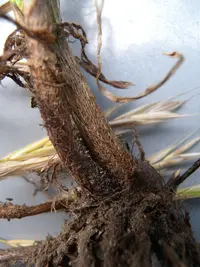
This species is a cool-season perennial grass. Individual plants can persist for many years, renewing foliage each growing season from the root system. It forms long-lived clumps rather than completing its life cycle in a single year.
Keep your plants happy and healthy with plant identification, disease detection, and easy care guidance.