hairy brome Care (Bromus ramosus)

hairy brome

About hairy brome

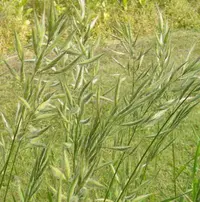
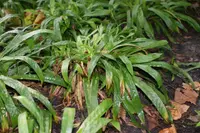
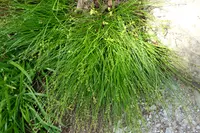
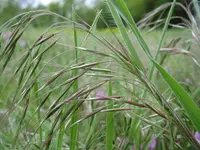
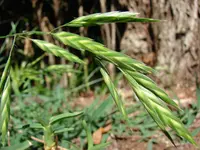
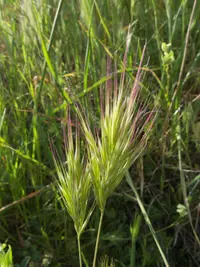
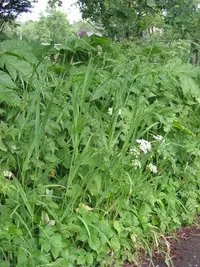
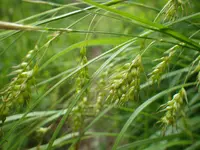
Hairy brome (Bromus ramosus) is a perennial ornamental grass valued for its arching stems and softly nodding seed heads. It forms loose clumps that move attractively in light wind. Native to woodlands and shaded slopes in Europe and western Asia, it prefers partial shade and moderately moist, well-drained soil. It often thrives at the edge of trees or in naturalistic plantings. The plant is generally undemanding once established, which makes it suitable for lower-maintenance gardens. Understanding how to care for hairy brome mainly involves matching its preference for cooler, sheltered sites rather than exposed, dry heat.

Main Plant Requirements

Care Difficulty

Easy Care

Light Preference

Partial Shade

Water Requirements

Moderate Water

Temperature Preference

Cold Hardy

Hardiness Zone

5–9

Soil Texture

Loamy, Silty, Organic-rich

Soil pH

Acidic (5.5–6.5), Slightly acidic (6.5–7.0)

Soil Drainage

Moist but well-drained

Fertilization

Minimal (feed rarely)

Get Personalized Care Plan

Scan your plant to receive care tips personalized for your specific plant

Available on iOS and Android

How to Care for the hairy brome

Bromus ramosus prefers bright conditions with protection from harsh midday exposure.

  • Provide 3–5 hours of direct morning sun with light or dappled shade in the afternoon, especially in warmer regions.
  • Tolerates partial shade, but in deep shade stems may elongate, become weak, and produce fewer flowering panicles.
  • In hot summers, reduce strong sun between 11 a.m. and 3 p.m. to prevent leaf scorch and drying of the soil surface; this supports stable growth when caring for hairy brome.

This grass prefers evenly moist, but not saturated, soil during its main growing season.

  • Allow the top 2–4 cm of soil to dry slightly between waterings, then water enough to moisten the root zone without puddling.
  • During cool, wet seasons, rely mostly on rainfall and only water if leaves wilt or soil feels dry several cm down.
  • In very dry or hot spells, check soil every 2–3 days; blue-green dulling, curling, or crisp tips indicate underwatering, while yellowing and soft stems suggest excess moisture.

This species is a cool-season grass that grows best in mild conditions.

  • Optimal active growth occurs around 55–70°F (13–21°C), with good performance in mild spring and early summer weather.
  • Established plants tolerate down to about 10–15°F (-12 to -9°C); brief colder snaps may damage foliage but crowns usually survive under mulch or snow cover.
  • Heat above 80–85°F (27–29°C) slows growth and can cause leaf browning, so provide some shade and consistent soil moisture during hot, dry periods.

This cool-season grass tolerates a wide humidity range and rarely needs special humidity management outdoors.

This species prefers moderately fertile, loose mineral soil that stays evenly moist but not waterlogged.

  • Use a loamy mix with 40–60% garden soil, 20–40% compost, and 10–20% sharp sand for structure and nutrients.
  • Aim for slightly acidic to neutral pH around 6.0–7.2 to support balanced nutrient uptake for Bromus ramosus.
  • Ensure water drains within a few minutes after thorough watering; avoid heavy clay that stays wet more than 24 hours.
  • In compacted sites, incorporate coarse sand or fine grit into the top 15–20 cm to improve aeration and root penetration.

This grass can be grown in containers, though it performs best in larger outdoor pots.

  • Choose a deep, wide container so the fibrous root system can spread without circling tightly near the walls.
  • Use a heavy, stable pot material or add weight in the base to prevent tall, arching foliage from tipping the container.
  • Elevate the pot on feet or bricks so drainage holes clear quickly and excess water does not pool under the base.

Bromus ramosus is a woodland grass that needs only light feeding in most garden soils.

  • Apply a thin layer of compost around clumps in early spring to support steady growth.
  • Use a balanced slow-release fertilizer (around 10-10-10) at half strength once in spring if soil is poor.
  • Avoid midsummer high-nitrogen feed to prevent floppy, weak foliage.
  • Stop fertilizing hairy brome in late summer so growth can harden before winter.

Pruning Bromus ramosus focuses on tidying old growth and maintaining an open, arching shape.

  • Cut back spent flowering stems near the base in late summer or early fall using sharp shears.
  • Remove dead, broken, or badly spotted leaves whenever noticed to limit disease build-up.
  • Thin congested clumps by taking out a few older stems to improve air flow and light penetration.
  • Leave some seed heads standing over winter if ornamental effect and wildlife value are desired.

This grass is better suited to borders than pots, so care centers on transplanting clumps rather than frequent repotting.

  • Plan lifting and transplanting of Bromus ramosus in early spring or early fall when temperatures are mild.
  • Transplant when the clump becomes crowded, growth weakens, or centers die out after 3–5 years.
  • Dig widely around the root zone, lift carefully, and replant at the same depth in loosened, moist soil.
  • Water thoroughly after transplanting and keep soil evenly moist for 2–3 weeks to reduce root stress.

Propagation of Bromus ramosus is straightforward by seed or by dividing established clumps.

  • Divide mature clumps in early spring or early fall, separating sections with several shoots and roots.
  • Replant divisions immediately into prepared soil, firming and watering well to maintain close root-soil contact.
  • Sow fresh seeds in trays or directly outdoors in fall or early spring for natural cold stratification.
  • Keep seedbeds evenly moist and in light shade until seedlings establish, then thin or transplant as needed.

This cool-season grass is generally hardy in temperate climates and needs minimal winter care once established.

  • In cold regions, leave most foliage over winter to shield the crown and provide habitat.
  • Apply a light mulch of leaves or compost around, not over, the crown in late fall where winters are severe.
  • For container-grown clumps, move pots to a sheltered, unheated spot to avoid repeated freeze–thaw of roots.

Care Tips

Timed cutting regime

Cut back flowering stems just as the first seed heads begin to dry to prevent self‑seeding and to stimulate a denser flush of new, clean foliage.

Clump division renewal

Lift and divide congested clumps every 3–4 years in early spring, replanting only the vigorous outer sections to maintain airy habit and reduce disease buildup.

Targeted weed suppression

Mulch lightly around the base with fine composted bark or leaf mold, keeping it 2–3 cm away from the crowns, to suppress weeds without smothering the shallow root system.

Support in exposed sites

In windy, open positions, insert discreet low hoops or pea sticks before stems reach full height so the arching foliage can lean on them without kinking or lodging.

Seed collection management

If growing hairy brome for ornamental seed heads, bag a few panicles with breathable paper bags as they turn tan to catch mature seed while preventing unwanted spread in the rest of the planting.

Common Pests and Diseases

Powdery mildew

This disease causes a white, powdery coating on leaves and stems, often in dense or humid stands of hairy brome. Symptoms include reduced vigor and premature leaf senescence.

Solution

Thin and mow dense patches to improve air movement, avoid overhead irrigation, and remove heavily infected foliage to reduce spore load. If needed in valuable plantings, apply a sulfur or potassium bicarbonate fungicide labeled for turf or ornamental grasses, following all label directions.

Leaf rust

This disease produces orange to brown pustules on leaf blades, which can merge into larger discolored areas and weaken the plant over time. Symptoms include fine dust-like spores that rub off onto hands or clothing.

Solution

Reduce excess nitrogen, water early in the day so foliage dries quickly, and mow or cut back affected plants to remove infected tissue. In persistent cases in managed plantings, a systemic grass fungicide labeled for rust can be used as a spot treatment while also rotating with non-chemical methods.

Barley yellow dwarf virus

This disease leads to yellowing, reddening, and stunting of leaves, often starting at the tips and progressing downward. Symptoms include thin, weak clumps that do not respond well to fertilizer or watering.

Solution

Control aphid populations that spread the virus by promoting natural predators and, if necessary, using targeted insecticidal soap or horticultural oil on mixed plantings. Remove and discard severely affected clumps to limit virus reservoirs and avoid moving contaminated plant material to new areas when trying to grow Bromus ramosus.

Aphids

These insects feed on the sap of young shoots and flowering stems, causing distortion, sticky honeydew, and sometimes sooty mold growth on nearby surfaces. This pest can also act as a vector for viral diseases in hairy brome stands.

Solution

Rinse colonies off stems with a firm stream of water and encourage lady beetles and lacewings by minimizing broad-spectrum insecticides nearby. For persistent infestations, apply insecticidal soap or a light horticultural oil directly to infested areas, repeating as needed while monitoring for natural enemy activity.

Armyworms

These caterpillars feed on leaves and can rapidly skeletonize or clip blades near the soil surface, creating thin or ragged patches. Symptoms include chewed leaf tips and small dark droppings in the grass crown area.

Solution

Inspect plants at dusk or early morning and handpick visible larvae where infestations are small. In heavier outbreaks, encourage birds and beneficial insects, mow to remove some larvae, and use a Bacillus thuringiensis (Bt) product or another selective grass-safe control if monitoring shows continued heavy feeding.

Interesting Facts

Distinctive drooping panicles

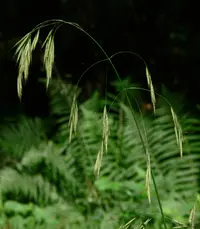
This grass produces loose, nodding flower clusters where each spikelet hangs on a slender, bent stalk, giving mature plants a noticeably arching and layered appearance compared with many upright Bromus species.

Shade-tolerant woodland grass

Unlike many brome grasses that favor open, sunny habitats, this species naturally occurs in deciduous woodlands and hedgerows, showing strong adaptation to partial shade and leaf-litter soils in its native European range.

Long-lived perennial habit

It is a true perennial that forms persistent clumps from a fibrous root system, returning from the same crown for multiple years rather than completing its life cycle in a single season like annual bromes.

Botan icon

Did you know?

This species is considered an ancient woodland indicator in parts of western and central Europe, meaning its presence can help ecologists infer that a site has been continuously wooded for a long period, often centuries.

FAQs about hairy brome

This species self-seeds readily and can spread by short rhizomes in suitable conditions. In gardens, it may become patch-forming but is usually manageable with regular deadheading, monitoring seedlings, and removing unwanted clumps before they mature.

Grow Healthy Plants with Botan Care

Keep your plants happy and healthy with plant identification, disease detection, and easy care guidance.

Botan plant care app — identify plants on mobile

Explore More Plants