Use leaf mulch
Apply a 2–5 cm layer of shredded deciduous leaves around the clump each fall to mimic woodland litter, conserve moisture, and slowly improve soil structure without shocking the roots.

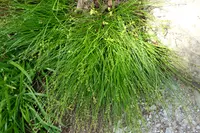
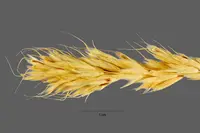
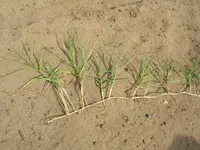
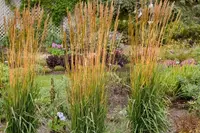
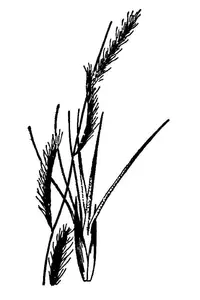
Eastern star sedge (Carex radiata) is a fine-textured, clumping woodland sedge native to eastern and central North America. It forms soft, arching tufts of bright to medium green leaves that create a loose, airy look. In spring it produces small, star-like flower clusters that give the plant its common name.
This sedge typically grows in light shade on moist, organic-rich forest soils, often along edges or clearings. It is generally considered easy to grow where soil stays evenly moist and competition from aggressive plants is low. Gardeners who want to learn how to care for eastern star sedge mainly need to focus on moisture, shade, and avoiding very dry or compacted sites.

Care Difficulty
Easy Care

Light Preference
Partial Shade

Water Requirements
Regular Water

Temperature Preference
Cold Hardy

Hardiness Zone
3–8

Soil Texture
Loamy, Silty, Organic-rich

Soil pH
Acidic (5.5–6.5), Slightly acidic (6.5–7.0)

Soil Drainage
Moist but well-drained

Fertilization
Minimal (feed rarely)
Scan your plant to receive care tips personalized for your specific plant
Available on iOS and Android
This woodland sedge prefers bright, indirect light and thrives in dappled conditions under taller plants or trees.
This species prefers consistently moist soil and does not tolerate prolonged drying.
This cool-season sedge grows best in moderate temperatures and tolerates typical outdoor swings in temperate climates.
This species prefers moderate to high humidity but adapts to many garden conditions.
This woodland sedge thrives in consistently moist, humus-rich soil with moderate drainage.
This sedge adapts well to container growing for shaded patios and moist balcony sites.
Carex radiata has modest nutrient needs but responds well to light feeding in active growth.
Pruning Carex radiata focuses on cleanup and maintaining a neat clumping habit.
Carex radiata is most often transplanted in the garden rather than kept long term in containers.
Carex radiata is commonly propagated by division, with seed used mainly in restoration or larger projects.
Carex radiata is cold hardy in much of its range and needs minimal winter care in the ground.

Plant Health Check
Not sure what's wrong with your plant? Check your plant's health inside the app.
Carex radiata is naturally found in rich, deciduous woodlands of eastern North America, where it thrives in dappled spring light before the tree canopy fully leafs out.
Its common name eastern star sedge comes from the way the small flowering spikes spread out in a star-like pattern from the top of the stem, a useful field feature for identification among similar sedges.
This sedge forms loose clumps that help stabilize woodland soils and provide cover and foraging habitat for small invertebrates, which in turn support ground-feeding birds and other wildlife.

In many shaded, mesic forests, Carex radiata can be one of the earliest sedges to flower in spring, offering some of the first grass-like pollen and seed resources to early-season insects and ground-dwelling animals before many other understory plants are active.
This species has small, understated flowers that can be easy to miss. Lack of blooms usually relates to heavy shade, very poor soil fertility, or plants that are still establishing and focusing on root growth.
Keep your plants happy and healthy with plant identification, disease detection, and easy care guidance.