Early stand thinning
In dense plantings, lightly rake or hand-thin young seedlings so plants are spaced 5–10 cm apart, which reduces lodging and allows better air flow around each clump.

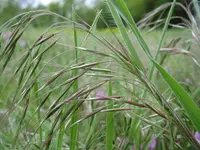
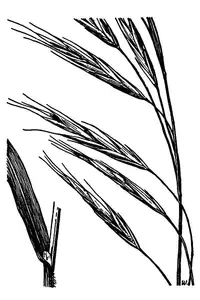
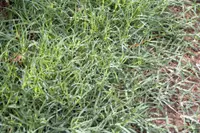
Drooping brome, Bromus tectorum, is a cool-season annual grass with fine, drooping seed heads and a soft, feathery look when mature. It usually forms loose clumps and can spread quickly by seed.
This species is native to parts of Eurasia but is now widespread across much of North America, especially in dry, disturbed sites such as roadsides, fields, and open rangelands. Its rapid growth and heavy seeding make it very competitive and often weedy.
It prefers full sun, dry to moderately moist conditions, and well-drained, often poor soils. Understanding how to care for Drooping Brome mainly helps with responsible management and preventing unwanted spread in gardens and natural areas.

Care Difficulty
Easy Care

Light Preference
Full Sun

Water Requirements
Low Water

Temperature Preference
Cold Hardy

Hardiness Zone
3–9

Soil Texture
Sandy, Loamy, Rocky

Soil pH
Slightly acidic (6.5–7.0), Slightly alkaline (7.0–7.5)

Soil Drainage
Well-drained

Fertilization
Minimal (feed rarely)
Scan your plant to receive care tips personalized for your specific plant
Available on iOS and Android
This annual grass prefers open, sunny sites and performs best with strong direct light.
This species is drought-adapted and prefers relatively dry soil once established.
This cool-season grass thrives in mild conditions and slows growth in extreme heat or severe cold.
Humidity is not a significant factor for Bromus tectorum, which is adapted to dry air.
This annual grass prefers dry, lean, well-drained mineral soils rather than rich, moisture-retentive substrates.
This species can be grown in containers, though it is usually managed outdoors in open ground.
This annual grass usually thrives in poor soils and typically does not need supplemental fertilizer.
Pruning Bromus tectorum is mainly done for appearance and seed control rather than plant health.
This species is rarely grown in containers and is usually managed in the ground for ecological control.
Bromus tectorum spreads primarily by seed, and propagation is straightforward but must be controlled in managed landscapes.
This cool-season annual grass is very cold hardy and generally needs no special winter care in the ground.

Plant Health Check
Not sure what's wrong with your plant? Check your plant's health inside the app.
This species typically germinates in autumn, overwinters as a small seedling, and then grows rapidly in spring before many native grasses start growth, giving it a strong head start in capturing water and nutrients.
Its fine, dry stems and dense litter form a continuous, highly flammable layer that easily carries fire across landscapes and can increase fire frequency in invaded shrublands and rangelands.
Each plant can produce a very large number of seeds under favorable conditions, and those seeds often form long-lasting soil seed banks that make management and restoration difficult.

This grass is believed to have arrived in North America in the 1800s as a contaminant in grain, hay, and ship ballast, and within about a century it had spread across much of the Intermountain West, becoming one of the region’s most ecologically impactful invasive plants.
This grass is an annual. It germinates, grows, sets seed, and dies within a single year. It survives long term only through its seed bank, often producing many seeds that sprout the following season.
Keep your plants happy and healthy with plant identification, disease detection, and easy care guidance.