Columbia brome Care (Bromus vulgaris)

Columbia brome

About Columbia brome

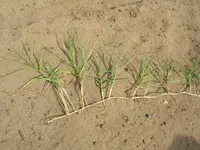
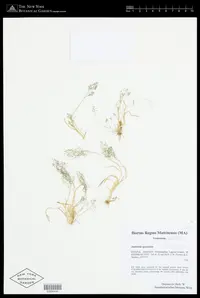
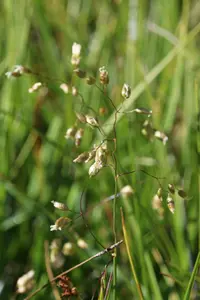
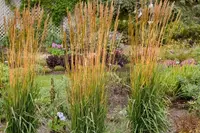
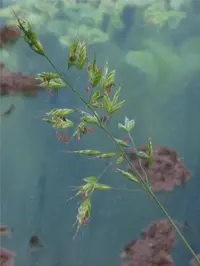
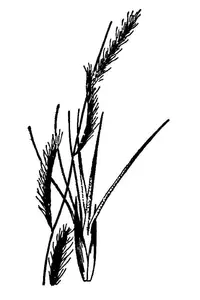
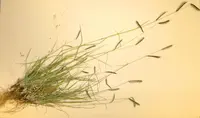
Columbia brome (Bromus vulgaris) is a perennial bunchgrass native to western North America, often found in open forests, clearings, and along streams. It forms loose clumps with upright, somewhat arching stems and narrow green leaves.

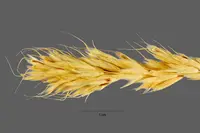
The plant produces nodding seed heads that give it a soft, fine-textured appearance in mixed plantings or naturalized areas. Its growth is typically moderate, not overly aggressive compared to some weedy bromes.

This grass adapts best to cool, moist conditions and performs well in well-drained soils with moderate fertility. Understanding these basic preferences makes it easier to care for Columbia brome in garden or restoration settings.

Main Plant Requirements

Care Difficulty

Easy Care

Light Preference

Full Sun

Water Requirements

Moderate Water

Temperature Preference

Cold Hardy

Hardiness Zone

4–8

Soil Texture

Sandy, Loamy, Silty

Soil pH

Slightly acidic (6.5–7.0), Neutral (7.0)

Soil Drainage

Well-drained

Fertilization

Minimal (feed rarely)

Get Personalized Care Plan

Scan your plant to receive care tips personalized for your specific plant

Available on iOS and Android

How to Care for the Columbia brome

This cool-season grass prefers bright conditions similar to open woodland edges.

  • Provide 4–6 hours of direct sun daily, ideally gentle morning sun with light afternoon shade, especially in hotter regions.
  • Tolerates partial shade (2–4 hours sun) but stems may grow taller and weaker with fewer seed heads if light is too low.
  • Avoid intense, reflected afternoon sun that can dry soil rapidly; Columbia brome benefits from some dappled shade during mid-summer.

This species prefers evenly moist, not saturated, soil during active growth.

  • Water when the top 3–5 cm of soil feel dry, aiming for moist soil that still feels airy rather than soggy.
  • Use well-drained soil or a site with slight slope so water does not pool; standing water and sour smell indicate overwatering and root stress.
  • During cool, rainy seasons, reduce added water; in hot, dry spells, increase checks for wilting, curled leaf tips, or dry, crumbly soil.

This cool-season perennial grass thrives in mild to moderately warm climates.

  • Optimal growth occurs around 60–75°F (16–24°C), with strong cool-season growth in spring and fall.
  • Plants tolerate light frost down to about 20°F (-6°C) once established, but prolonged freezes below this can damage crowns, especially in exposed sites.
  • In summer, growth slows above 80–85°F (27–29°C); provide some shade and consistent moisture during heat waves to reduce stress and browning.

Humidity is rarely a limiting factor for Bromus vulgaris, which adapts well to typical outdoor ambient ranges.

  • Performs reliably in 30–60% relative humidity, matching conditions in most temperate gardens and meadows.
  • Tolerates short periods of drier air without supplemental humidity, so caring for Columbia brome rarely requires misting or grouping plants.
  • Mild humidity stress may show as slightly quicker leaf tip drying during hot, windy spells, best managed by consistent soil moisture rather than air humidification.

Bromus vulgaris prefers moderately fertile, well-drained mineral soils that stay evenly moist but not saturated.

  • Use a loamy mix combining roughly 2 parts garden soil, 1 part compost, and 1 part coarse sand to balance moisture retention and drainage.
  • Aim for a slightly acidic to neutral pH around 6.0–7.0, avoiding strongly acidic or calcareous sites that can limit nutrient uptake.
  • Improve aeration in heavier soils by incorporating coarse sand or fine grit through the top 15–20 cm before planting.
  • Avoid compacted, waterlogged, or highly organic boggy substrates, which increase root rot risk and reduce stand longevity for Bromus vulgaris.

This bunching grass can be grown in containers for short-term ornamental or ecological use if drainage and stability are managed carefully.

  • Choose a wide, at least 25–30 cm deep container to allow fibrous roots to spread and to support upright clumps against wind.
  • Use a heavy, stable pot material or weight the base with gravel to reduce tipping as foliage becomes taller and denser.
  • Ensure several unobstructed drainage holes and raise the pot on feet or bricks so excess water can clear quickly after rain or irrigation.]},

This native grass usually grows well in average soils and needs only light feeding for best Bromus vulgaris plant care.

  • Apply a thin top-dressing of compost or well-rotted manure in early spring to support new growth.
  • In poor or very sandy soils, use a balanced slow-release fertilizer (such as 10-10-10) once in spring at half strength.
  • Avoid summer overfeeding; excess nitrogen can cause weak, floppy foliage and reduce stand longevity.
  • Do not fertilize in late fall or winter, as the plant is semi-dormant and nutrients are not efficiently used.

Pruning Bromus vulgaris is simple and mainly focuses on tidying and renewing the clump.

  • Cut back old flower stalks and dry foliage in late fall or very early spring before new shoots emerge.
  • Remove dead, damaged, or diseased stems during the growing season using clean, sharp hand shears.
  • Thin crowded clumps by taking out a few older stems at the base to maintain airflow and a balanced shape.
  • Avoid cutting into fresh green growth midseason unless removing clearly unhealthy or broken stems.

This grass is more often transplanted in the landscape than repotted, as it is usually grown outdoors in soil.

  • Transplant clumps in early spring or early fall when temperatures are mild and soil is moist.
  • Look for signs such as crowded tussocks, slow vigor, or bare centers as indicators that division and moving are helpful.
  • Lift the clump with a spade, keep roots as intact as possible, and replant at the same depth in well-drained soil.
  • Water thoroughly after transplanting, then keep soil evenly moist for 1–2 weeks to reduce root stress and support re-establishment.

Bromus vulgaris is most commonly propagated by seed or by division of established clumps.

  • Collect mature seeds in late summer, then sow shallowly in fall or early spring in loose, well-drained soil.
  • Keep the seedbed consistently moist but not waterlogged until germination, which usually occurs in cool conditions.
  • For division, lift healthy clumps in early spring, split into sections with several shoots and roots, and replant promptly.
  • Space new divisions to allow air movement and light penetration, which supports strong, upright growth.

This cool-season grass is quite cold hardy and usually needs minimal winter attention in the ground.

  • In colder regions, apply a light mulch layer around the base in late fall to moderate soil temperature swings.
  • Allow foliage to stand over winter; it helps insulate crowns and supports wildlife habitat.
  • In containers, move plants to a sheltered, unheated but frost-free spot or heel pots into the ground to protect roots.

Care Tips

Mowing Integration

In meadow plantings, set mower blades higher (10–15 cm) and time any mowing to late summer after seed set to allow the stand to regenerate from basal buds and maintain population vigor.

Seed Bank Renewal

Every 3–4 years, allow a portion of the patch to shed seed undisturbed, then lightly rake the soil surface to improve contact so the natural seed rain can thicken and rejuvenate aging clumps.

Targeted Thinning

In mixed native grass stands, remove or thin overly dense patches in early spring using a hand rake so neighboring forbs and less competitive grasses are not suppressed by the strong tussock growth.

Winter Habitat Management

Delay cutting back old stems until late winter so the standing foliage protects crowns from freeze–thaw cycles and provides habitat, then remove spent material before new shoots elongate.

Low-Input Weed Control

When caring for Columbia brome in restoration areas, use controlled, shallow early-spring cultivation to uproot annual weed seedlings without disturbing the deeper root system of the established clumps.

Common Pests and Diseases

Leaf rust

This disease causes yellow to reddish-brown pustules on leaf surfaces and can reduce vigor in dense stands. Symptoms include early leaf yellowing and premature drying of foliage.

Solution

Remove and destroy heavily infected foliage to reduce spore load, and avoid overhead irrigation that keeps leaves wet for long periods. Improve spacing and airflow around plantings, and in recurrent problem areas, use a grass-appropriate fungicide labeled for rust on cool-season grasses, applied according to local extension guidance for Bromus vulgaris care.

Powdery mildew

This disease produces white, powdery fungal growth on leaf blades and sheaths, often in shaded or crowded conditions. Symptoms include dull, grayish patches that may lead to leaf distortion or reduced photosynthesis.

Solution

Thin nearby vegetation to increase light and air movement, and avoid high nitrogen fertilization that encourages lush, susceptible growth. Prune or mow out the most affected foliage and, if needed, apply a systemic fungicide labeled for powdery mildew on ornamental or pasture grasses, following label rates and safety instructions.

Aphids

These insects feed on sap from young stems and leaves, sometimes causing leaf curling, yellowing, and sticky honeydew that can support sooty mold growth. This pest can also weaken plants under drought or nutrient stress.

Solution

Rinse colonies off foliage with a firm stream of water and encourage natural predators such as lady beetles by avoiding broad-spectrum insecticides nearby. For persistent infestations, use an insecticidal soap or horticultural oil directed at the undersides of leaves, repeating as needed according to the product label.

Grasshoppers

These insects chew irregular holes or entire sections from leaves, and heavy feeding can thin plantings, especially along field or garden edges. This pest is often more severe during hot, dry summers.

Solution

Mow or trim nearby weedy areas that serve as breeding sites and use floating row covers or barrier netting on small plantings during peak feeding. In severe cases, consider targeted baits or biological insecticides labeled for grasshoppers, applied early when nymphs are small and more easily controlled.

Leaf spot complex

This disease group includes several fungi that cause small brown to purplish lesions on leaves that may merge into larger dead patches, particularly under prolonged leaf wetness. Symptoms include thinning foliage and reduced overall vigor in humid or overwatered conditions.

Solution

Reduce leaf wetness by watering at soil level in the morning and avoiding frequent light irrigation. Remove and discard infected leaf debris, rotate plantings if grown in managed beds, and in high-value settings use a broad-spectrum grass fungicide labeled for foliar leaf spots, rotating modes of action to limit resistance.

Interesting Facts

Pacific Northwest specialist

This species is native to the Pacific Northwest of North America, where it is especially common in moist coniferous forests and along shaded streambanks rather than in open grassland.

Shade-tolerant forest grass

Unlike many grasses that prefer full sun, this species shows notable shade tolerance and often forms part of the herb layer under Douglas-fir and other evergreen canopies.

Role in forest recovery

It is frequently included in native forest and riparian restoration seed mixes because its fibrous root system helps stabilize disturbed soils and support early succession plant communities.

FAQs about Columbia brome

This species spreads mainly by seed and short rhizomes, forming loose clumps rather than dense monocultures. In most garden settings it is not strongly invasive, but it can slowly expand in open, disturbed ground.

Grow Healthy Plants with Botan Care

Keep your plants happy and healthy with plant identification, disease detection, and easy care guidance.

Botan plant care app — identify plants on mobile

Explore More Plants