Antinoria agrostidea Care

Antinoria agrostidea

About Antinoria agrostidea

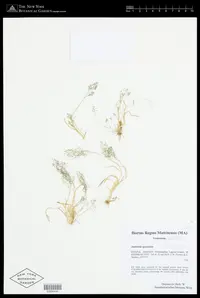
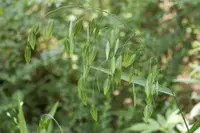
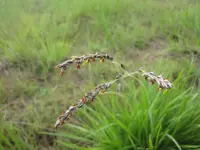
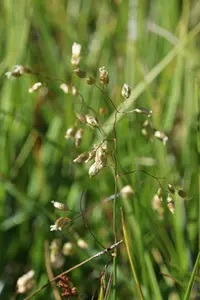
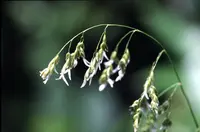
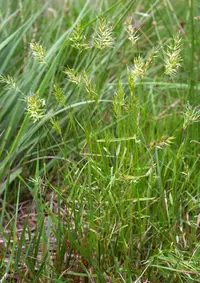
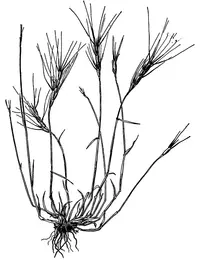
Antinoria agrostidea is a small, fine-textured grass-like plant from moist, open habitats in southern Europe. It typically forms low, delicate tufts with slender stems and airy seed heads. This species is more often of interest to collectors, botanists, or naturalistic meadow designers than to casual gardeners. It prefers consistently moist, not waterlogged, soils and open exposure rather than deep shade. Due to its specific habitat needs and modest ornamental value, it is not considered the easiest choice for beginners learning how to care for Antinoria agrostidea.


Main Plant Requirements

Care Difficulty

Moderate Care

Light Preference

Full Sun

Water Requirements

Moderate Water

Temperature Preference

Cool Climate

Hardiness Zone

Unknown

Soil Texture

Sandy, Loamy, Silty

Soil pH

Slightly acidic (6.5–7.0)

Soil Drainage

Moist but well-drained

Fertilization

Minimal (feed rarely)

Get Personalized Care Plan

Scan your plant to receive care tips personalized for your specific plant

Available on iOS and Android

How to Care for the Antinoria agrostidea

This cool-season grass prefers open, bright conditions similar to moist meadows and stream banks.

  • Provide 4–6 hours of direct sun daily, ideally gentle morning sun with light afternoon shade in hotter regions to prevent leaf scorch.
  • Tolerates light, shifting shade, but dense shade reduces vigor, weakens stems, and decreases flowering over time.
  • In summer, protect from intense afternoon sun in climates above USDA zone 7; in cooler coastal or northern areas, full sun is usually safe and promotes compact growth.

This species prefers consistently moist soil but reacts poorly to prolonged saturation.

  • Aim for evenly moist conditions, allowing only the top 1–2 cm of soil to lose surface sheen before the next thorough watering, especially in sandy or free-draining soils.
  • Increase watering in late spring and summer dry spells, watching for wilting or rolling leaves as indicators that the root zone is drying too far.
  • Avoid standing water or heavy, compacted clay; yellowing, soft foliage and foul-smelling soil suggest overwatering and oxygen-poor conditions.

This grass is adapted to mild, temperate climates and shows best growth in cool conditions.

  • Optimal growth occurs at 55–70°F (13–21°C), especially during cool, moist spring and fall periods.
  • Tolerates short drops to about 25°F (-4°C) once established, but repeated hard frosts below this can damage foliage and reduce stand density.
  • Handles brief summer warmth up to 80–86°F (27–30°C) if soil moisture is maintained; prolonged heat and drought stress may cause thinning and early dormancy.

This grass is tolerant of a wide humidity range but grows best in moderately moist air.

  • Aim for ambient humidity around 40–60% to reduce leaf-tip drying during active growth.
  • It tolerates typical dry indoor air but prolonged levels below 30% may cause browning tips and slower growth.
  • Increase humidity locally with a nearby open tray of water and stones or by grouping plants, rather than misting foliage directly.

This species prefers light, free-draining mineral soil that does not stay waterlogged.

  • Use a sandy or sandy-loam mix with 30–50% sharp sand or fine grit to keep the root zone aerated.
  • In containers, combine 50–60% peat-free potting mix with 20–30% coarse sand and 10–20% perlite for fast drainage.
  • Maintain soil pH in the slightly acidic to neutral range, roughly pH 6.0–7.2, avoiding strongly alkaline substrates.
  • Avoid heavy clay, compacted ground, or mixes high in undecomposed bark that hold water for long periods, as these encourage root rot in Antinoria agrostidea.
This grass can be grown in containers if the pot is prepared to drain very rapidly.

  • Select a squat, wide pot rather than a tall, narrow one to support its clumping habit and reduce tipping in strong wind.
  • Choose unglazed terracotta if conditions are wet or cool, as the porous walls help excess moisture evaporate from the root zone.
  • Elevate the container slightly on pot feet or bricks so drainage holes stay clear and runoff cannot pool under the base.

This grasslike species usually grows well in lean soils and rarely needs supplemental feeding in the ground.

  • For container-grown Antinoria agrostidea, use a balanced liquid fertilizer at 1/4–1/2 strength during active spring–summer growth.
  • Feed every 4–6 weeks only if foliage looks pale or growth is weak.
  • Avoid fertilizing in fall and winter, when growth slows and excess nutrients may stress roots.
  • Compost or a very light slow-release fertilizer can be mixed into potting soil for long, gentle nutrition.

Pruning is minimal and mainly keeps plants tidy and healthy.

  • Best timing is late winter or early spring before strong new growth starts on Antinoria agrostidea.
  • Shear or cut back dead, winter-burned, or weak foliage to just above the crown using clean, sharp scissors or hand shears.
  • Remove obviously damaged or crowded clumps to maintain airflow and reduce fungal problems.
  • Avoid cutting into healthy green growth during the main growing season unless removing diseased material.

This species is more often grown in the ground, but container plants and clumps benefit from occasional transplanting.

  • Plan transplanting or repotting in early spring or early fall, when temperatures are mild and moisture is reliable.
  • Look for roots circling the pot drainage holes, soil drying very fast, or reduced vigor as signs that more space is needed.
  • For containers, move into a pot only 2–5 cm wider, using a well-drained mix and handling the root ball gently to limit stress.
  • When dividing outdoor clumps, lift with a spade, split into sections with healthy roots, replant at the same depth, and water thoroughly.

Propagation of this grasslike plant is usually done by seed or division rather than cuttings.

  • Sow fresh seeds of Antinoria agrostidea in late winter to early spring in a shallow tray with moist, well-draining substrate.
  • Maintain cool to mild temperatures around 60–68°F and consistent moisture until germination, avoiding waterlogging.
  • For division, lift established clumps in early spring or early fall and separate into smaller sections with firm roots.
  • Replant divisions promptly at original soil depth, water in well, and keep evenly moist until new growth is established.

This cool-season grass is generally hardy in temperate climates and needs little specific winter care in the ground.

  • In colder regions, a light mulch layer around the base helps insulate roots while still allowing drainage.
  • Container plants are more exposed; place pots against a sheltered wall and elevate them to keep drainage holes clear.
  • In areas with severe freeze-thaw cycles, consider moving containers into an unheated garage or cold frame to reduce root stress.

Care Tips

Seedbed moisture control

Use a fine-textured, firm seedbed and water with a soft rose or mist nozzle so the surface stays evenly moist but not waterlogged during germination, which is critical for establishing dense, even stands when growing Antinoria agrostidea.
Targeted mowing timing

Schedule light mowing only after seed heads have set and begun to shatter if seed collection or natural reseeding is desired, as cutting too early sharply reduces regeneration of the stand.

Companion species selection

Mix it only with low-competition, fine-leaved grasses or small forbs to prevent shading and crowding, since taller, vigorous species easily outcompete this delicate grass in both light and nutrients.

Soil disturbance rotation

Periodically create small, shallowly disturbed patches of soil in existing stands to open gaps for new seedlings, rather than tilling large areas that favor more aggressive colonizing species.

Low-input nutrient management

Avoid routine fertilization and instead rely on inherent soil fertility or very light, infrequent feeding, because high nutrient levels tend to promote coarser, faster-growing grasses that suppress this species.

Common Pests and Diseases

Leaf rust

This disease causes small orange to brown pustules on leaves and stems, leading to reduced vigor and premature leaf death in dense stands.

Solution

Remove and destroy heavily infected foliage, avoid overhead irrigation, and reduce plant crowding to improve air movement; in production settings, a preventive fungicide labeled for rusts on grasses can be used during prolonged warm, humid periods as part of broader Antinoria agrostidea care instructions.

Powdery mildew

This disease produces a white, powdery coating on leaf surfaces, which can reduce photosynthesis and weaken the plant under shaded, humid conditions.

Solution

Increase sun exposure and airflow where possible, avoid excess nitrogen fertilization, and trim back heavily affected foliage; if needed, apply a sulfur or potassium bicarbonate product labeled for turf and ornamental grasses, following all label directions.

Leaf spot complex

Symptoms include small water-soaked or brown lesions on leaves that may merge into larger dead patches, often appearing after extended wet or humid weather.

Solution

Remove and dispose of affected leaf material, irrigate early in the day so foliage dries quickly, and thin crowded clumps; in field or nursery culture, rotation with non-grass species and periodic sanitation of tools help reduce pathogen carryover.

Aphids

These insects cluster on young stems and leaf bases, sucking sap and sometimes causing yellowing or leaf distortion, and may leave sticky honeydew that encourages sooty mold growth.

Solution

Rinse colonies off with a firm stream of water, encourage natural predators such as lady beetles, and where pressure is high use an insecticidal soap or horticultural oil directed at the undersides of leaves and growing points.

Grass leafhoppers

This pest feeds on leaves by piercing and sucking sap, which can cause pale stippling, scattered yellow patches, and in some cases transmission of viral diseases affecting overall plant vigor.

Solution

Mow or trim surrounding grassy vegetation to reduce habitat, avoid excessive nitrogen that favors lush susceptible growth, and, when necessary, use a targeted, low-toxicity insecticide labeled for leafhoppers on ornamental grasses, applied in the cooler parts of the day.

Interesting Facts

Mediterranean wetland specialist

This small annual grass is native to Mediterranean Europe and North Africa, where it grows in seasonally wet habitats such as marsh edges, temporary pools, and damp meadows that dry out in summer.

Adapted to fluctuating water

Its life cycle is timed to complete growth, flowering, and seed set during the cool, moist part of the year, allowing the species to survive long dry periods only as seed in the soil.

Fine, delicate inflorescences

The plant forms slender, open panicles with very small spikelets, giving it a delicate, almost mist-like appearance that helps distinguish it from more robust wetland grasses.

FAQs about Antinoria agrostidea

This grass is typically grown as an annual, completing its life cycle in one growing season. In mild climates with suitable conditions, some plants may self-seed, giving the impression of a short-lived perennial stand.

Grow Healthy Plants with Botan Care

Keep your plants happy and healthy with plant identification, disease detection, and easy care guidance.

Botan plant care app — identify plants on mobile

Explore More Plants