Buffel grass Care (Cenchrus ciliaris)

Also known as: African foxtail grass, Blue buffalo grass, Buffalo grass, African Foxtail, Foxtail Buffalo Grass, Malopo Blue Buffel-Grass, Pearl Millet
Buffel grass

About Buffel grass

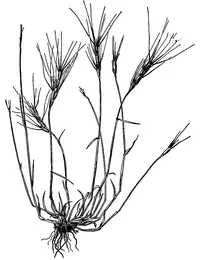
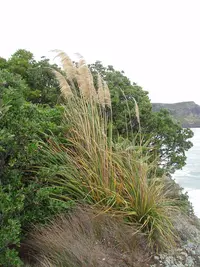
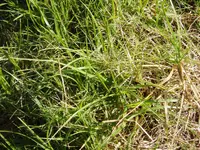
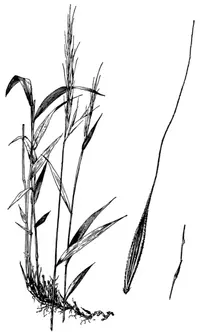
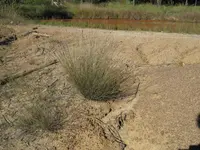
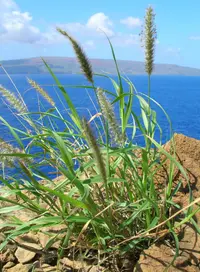
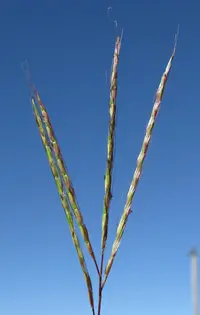
Buffel grass (Cenchrus ciliaris) is a warm-season perennial bunchgrass commonly used for pasture, erosion control, and dryland landscaping. It forms dense clumps with upright, narrow leaves and fuzzy bottlebrush-like flower spikes. Native to parts of Africa and Asia, it is now widely naturalized in many arid and semi-arid regions, including the southwestern United States. This grass is valued for its drought tolerance, rapid growth, and ability to establish in poor, sandy, or rocky soils. It suits low-maintenance landscapes, though in some regions it is considered invasive and needs careful management. Understanding how to care for Buffel grass starts with recognizing its preference for full sun and well-drained, dry to moderately moist soil.

Main Plant Requirements

Care Difficulty

Easy Care

Light Preference

Full Sun

Water Requirements

Low Water

Temperature Preference

Tropical / Frost Sensitive

Hardiness Zone

9–13

Soil Texture

Sandy, Loamy, Rocky

Soil pH

Slightly acidic (6.5–7.0), Slightly alkaline (7.0–7.5)

Soil Drainage

Well-drained

Fertilization

Minimal (feed rarely)

Get Personalized Care Plan

Scan your plant to receive care tips personalized for your specific plant

Available on iOS and Android

How to Care for the Buffel grass

This warm-season grass needs strong sun to build dense, drought-tolerant growth.

  • Provide 6–10 hours of direct sun daily; open, unshaded sites suit Buffel grass best for vigorous tillering and seed production.
  • Tolerates light partial shade (2–3 hours), but plants become looser, with longer, weaker stems and reduced forage quality.
  • In hot regions, all-day sun is acceptable if soil moisture is adequate; young stands benefit from some protection from reflected afternoon heat in midsummer.

This drought-adapted species prefers deep, infrequent watering over light, frequent applications.

  • Allow the top 5–8 cm of soil to dry before watering; use a screwdriver or spade to check that moisture still exists deeper in the root zone.
  • In the first growing season, water thoroughly when leaves start to curl or lose sheen; afterward, rely mostly on rainfall except during extended dry periods.
  • Use well-drained, sandy or loamy soil; yellowing, soft bases suggest overwatering, while crisp, browning leaf tips and stalled growth suggest Cenchrus ciliaris is too dry.

This warm-season grass thrives in hot climates and slows sharply in cool conditions.

  • Aim for 80–95°F (27–35°C) during peak growing months; growth declines clearly below 70°F (21°C).
  • Tolerates very high heat up to about 110°F (43°C) if soil moisture is sufficient, but leaf scorch appears when heat combines with severe drought and wind.
  • Avoid frost whenever possible; plants are damaged below 32°F (0°C) and may be killed by repeated nights under 25°F (-4°C), so expect winter dormancy in cooler regions.

Humidity is rarely critical for Cenchrus ciliaris, which is adapted to arid, open landscapes.

Cenchrus ciliaris prefers dry, open soils that drain rapidly and do not hold water around the roots.

  • Use a sandy or sandy-loam mix with coarse mineral material to let water move through quickly.
  • Aim for slightly acidic to slightly alkaline conditions, around pH 6.0–8.0, as the grass is tolerant across this range.
  • Combine native soil with sharp sand and a small amount of compost to improve structure without making it waterlogged.
  • Avoid heavy clay, compacted ground, or sites where water pools after rain, as roots are sensitive to prolonged saturation.

This species can be grown in containers outdoors, mainly for controlled pasture trials or erosion-control plantings.

  • Choose a wide, heavy container to stabilize the clumping, often top-heavy tufts against wind and rapid lateral spread.
  • Use a tall pot to provide deep root run, which limits stress during hot, dry periods compared with shallow containers.
  • Select a porous material such as unglazed clay to allow faster evaporation and prevent the medium staying continuously moist at depth.

Cenchrus ciliaris benefits from light feeding on poor soils but often needs no fertilizer on reasonably fertile ground.

  • Use a balanced slow-release NPK fertilizer or well-rotted compost at the start of the warm growing season.
  • Apply a light dose every 8–10 weeks during active growth if foliage is pale or growth is weak.
  • Dilute liquid feeds to 50% strength to avoid excessive, floppy growth and nutrient runoff.
  • Stop fertilizing in late summer so Buffel grass can harden off before cooler weather.

Pruning Cenchrus ciliaris is mainly done to maintain tidy clumps and encourage fresh growth.

  • Cut back old foliage and seed heads in late winter or early spring before strong new shoots emerge.
  • Remove dead, damaged, or overcrowded stems at the base using clean, sharp shears.
  • Thinning dense clumps improves air flow, reduces disease risk, and keeps the plant from becoming woody.
  • Leave some stems standing over winter in mild climates to provide structural interest and habitat.

This grass is more often transplanted in the landscape than kept long term in containers.

  • Plan transplanting for late spring or early summer when soil is warm and plants are actively growing.
  • Move clumps only when growth slows, centers die out, or roots form a dense mass that resists division.
  • Dig widely around the root system, keeping as much soil attached as possible to limit shock.
  • Replant at the same depth in a well-drained sunny site and water deeply until new growth resumes.

Cenchrus ciliaris is commonly propagated by seed and by division of existing clumps.

  • Sow fresh seed in late spring once soil temperatures reach at least 64–68°F and frost risk is past.
  • Use a free-draining sandy mix, sow shallowly, and keep evenly moist until germination in 7–21 days.
  • For divisions, lift mature clumps in warm weather and split into sections with healthy roots and shoots.
  • Replant divisions promptly, water well, and reduce stress by shading lightly during the first 1–2 weeks.

This warm-season grass is not frost hardy in colder climates and needs simple measures where winters are cool.

  • In mild zones, allow top growth to brown naturally and cut back in late winter or early spring.
  • In regions with light frost, apply a 5–8 cm mulch around the base to buffer root-zone temperature.
  • Where hard freezes occur, grow Cenchrus ciliaris in containers and move to a bright, frost-free space.

Care Tips

Controlled grazing

Use rotational grazing or timed mowing so animals or machinery remove only 40–60% of growth, which encourages dense new tillers while preventing overgrazing and stand decline.

Targeted weed suppression

In the first 1–2 seasons, spot-spray or hand-remove broadleaf weeds before they set seed so the young stand can close canopy and outcompete invaders long term.

Post-fire management

After a burn, delay heavy use until new shoots reach at least 15–20 cm, then apply light grazing or cutting to stimulate tillering without exhausting the plant’s reserves.

Seed harvest timing

For seed production, monitor heads closely and harvest when most spikelets turn straw-colored but before shedding, then dry and clean seed promptly to maintain viability.

Invasive spread control

In regions where growing Buffel grass poses invasion risks, maintain mowed or cultivated buffer strips and remove isolated plants beyond the sown area to limit unwanted spread.

Everything About Buffel grass

Common Pests and Diseases

Ergot

This disease is caused by Claviceps fungi that infect flowering heads and replace seeds with dark, hardened fungal bodies called sclerotia. Symptoms include distorted seed heads with black or dark purple grains and possible reduced seed production.

Solution

Remove and destroy affected seed heads before harvest and avoid feeding contaminated seed heads to grazing animals. Use clean, certified seed for establishing stands, and avoid over‑irrigation or high nitrogen that encourages lush, dense flowering where spores spread more easily.

Smut

This disease is caused by smut fungi that infect developing seeds, leading to black powdery masses in place of normal grain. Symptoms include partially filled or completely blackened spikelets that break open and release sooty spores.

Solution

Rogue out and destroy heavily infected plants and seed heads to reduce the local spore load. Establish new stands with certified, disease‑free seed, avoid continuous Buffel grass stands in the same area, and manage irrigation and fertility to reduce excessive humidity in dense canopies.

Buffel grass blight

This disease is associated with foliar fungal pathogens that cause leaf spots, blighting, and premature leaf death, especially under humid, warm conditions. Symptoms include small brown leaf spots that may coalesce into larger necrotic patches, giving the foliage a scorched appearance.

Solution

Mow or cut and remove heavily blighted foliage to reduce inoculum and improve air movement through the stand. Avoid overhead irrigation where possible, water early in the day so leaves dry quickly, and maintain moderate plant density rather than over‑seeding, which makes foliage stay damp longer.

Shoot fly

This pest refers to larvae of shoot flies that attack young tillers by boring into the central shoot. Symptoms include dead hearts, where the central leaf dries and pulls out easily, and reduced tillering and stand density.

Solution

Encourage uniform, vigorous establishment through proper soil preparation, sowing time, and fertilization, as robust seedlings tolerate damage better. Remove and destroy severely affected young plants, avoid very late sowing dates that favor peak fly populations, and encourage natural predators by minimizing broad‑spectrum insecticide use nearby.

Grasshoppers

These insects chew on leaves and stems, sometimes defoliating plants during population outbreaks, especially in hot, dry environments where Buffel grass commonly grows. Symptoms include irregular holes, ragged leaf edges, and sometimes complete stripping of foliage on young plants.

Solution

Monitor regularly during warm, dry periods and hand‑remove grasshoppers where practical in smaller plantings. Encourage birds and beneficial insects by maintaining some habitat diversity nearby, and if needed, use targeted baits or barriers along stand edges rather than blanket sprays to protect non‑target organisms while still caring for Buffel grass effectively.

Interesting Facts

Deep drought adaptation

Buffel grass forms an extensive root system that can reach several meters deep, allowing it to access stored soil moisture and remain productive in arid and semi-arid climates where many other grasses fail.

C4 photosynthesis specialist

This species uses the C4 photosynthetic pathway, which is more water- and nitrogen-efficient than the C3 pathway, helping it maintain high growth rates and forage yield under high light, heat, and low water conditions.

Global pasture introduction

Native to parts of Africa, the Middle East, and the Indian subcontinent, this grass has been deliberately introduced to many dry regions worldwide, especially Australia and the southwestern United States, for rangeland improvement and erosion control.

Botan icon

Did you know?

In several countries, Buffel grass is now classified as an invasive transformer species because dense stands can outcompete native plants, alter soil nutrient cycling, and substantially increase wildfire intensity and frequency in ecosystems that historically experienced little or no grass-fueled fire.

FAQs about Buffel grass

This species spreads vigorously by seed and vegetative clumps, especially in warm, dry areas. In suitable climates it can form dense stands, outcompete local plants, and is considered invasive in many semi-arid and arid regions.

Grow Healthy Plants with Botan Care

Keep your plants happy and healthy with plant identification, disease detection, and easy care guidance.

Botan plant care app — identify plants on mobile

Explore More Plants