sweet vernalgrass Care (Anthoxanthum odoratum)

Also known as: sweet vernal, bison grass, vanilla grass, holy-grass, sweetgrass
sweet vernalgrass

About sweet vernalgrass

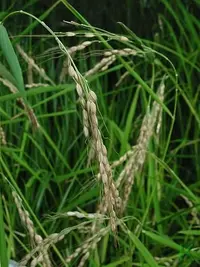
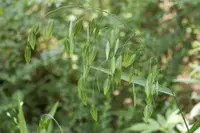
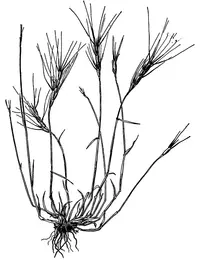
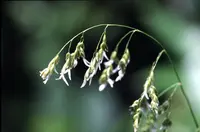
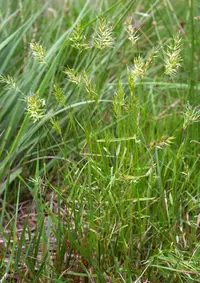
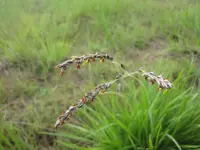
Sweet vernalgrass, Anthoxanthum odoratum, is a cool-season perennial grass known for its sweet, hay-like scent when dried. It forms loose tufts with soft, narrow leaves and airy flowering spikes.

This species is native to Europe and western Asia but has naturalized widely in North America, especially in meadows, pastures, lawns, and roadsides. It spreads by seed and can become persistent in suitable conditions.

The grass is generally undemanding, tolerating poor soils and light foot traffic, which makes it relatively easy to maintain in informal grass areas. To care for sweet vernalgrass, provide sun to light shade, moderate moisture, and soil that drains reasonably well.

Main Plant Requirements

Care Difficulty

Easy Care

Light Preference

Full Sun

Water Requirements

Moderate Water

Temperature Preference

Cool Climate

Hardiness Zone

3–9

Soil Texture

Sandy, Loamy, Silty

Soil pH

Acidic (5.5–6.5), Slightly acidic (6.5–7.0)

Soil Drainage

Moist but well-drained

Fertilization

Minimal (feed rarely)

Get Personalized Care Plan

Scan your plant to receive care tips personalized for your specific plant

Available on iOS and Android

How to Care for the sweet vernalgrass

This cool-season grass prefers bright, gentle light rather than intense heat.

  • Aim for 4–6 hours of direct morning sun with light shade or filtered light in the afternoon, especially in warmer regions.
  • It tolerates partial shade, but dense shade reduces vigor, weakens stems, and limits the characteristic scent of sweet vernalgrass.
  • In hot summers, protect from strong sun between 11 a.m. and 3 p.m. to prevent leaf scorch, while ensuring open exposure in spring and fall for strong growth.

This species prefers consistently moist, but not waterlogged, soil.

  • Allow the top 2–3 cm of soil to dry slightly before watering again, aiming for evenly moist conditions in the root zone.
  • Increase watering during active growth in spring and early summer, and reduce frequency once flowering ends and growth slows.
  • Watch for yellowing, limp foliage as a sign of waterlogging or root rot, and for curling, browning tips as an indicator of underwatering or overly dry soil.

This cool-season grass grows best in mild conditions and dislikes extreme heat.

  • Optimal growth occurs around 55–70°F (13–21°C), where foliage stays dense and flowering is most reliable.
  • Established plants tolerate short dips to about 20°F (-6°C), but repeated hard freezes below this can damage crowns, especially in exposed, windy sites.
  • Growth slows markedly above 80°F (27°C); provide extra moisture and some afternoon shade in hot periods to limit heat stress and premature browning.

This grass handles a broad humidity range and usually does not need special humidity management outdoors.

  • Target 40–60% humidity for healthiest growth, which matches typical outdoor conditions in many temperate regions.
  • It tolerates short dry-air periods but prolonged humidity below 30% combined with heat can slow growth and cause leaf-tip browning.
  • If grown in a very dry, exposed site, group plants or use nearby groundcover to slightly buffer air dryness around sweet vernalgrass.

Anthoxanthum odoratum prefers light, moderately fertile soil that drains freely yet holds some moisture.

  • Use a loamy or sandy-loam soil with moderate organic matter from compost or well-rotted leaf mold to support root development.
  • Aim for slightly acidic to neutral pH around 5.5–7.0, avoiding strongly alkaline soils that can limit nutrient availability.
  • Improve drainage and aeration by loosening compacted ground and incorporating coarse sand or fine grit into heavier clay areas before planting.
  • Avoid waterlogged or very heavy clay soils, since persistent saturation encourages root decline and reduces overall vigor.

This species can be grown in containers for small-scale or ornamental use when moisture and drainage are controlled carefully.

  • Choose a wide, shallow pot that allows the fibrous roots to spread horizontally rather than a deep, narrow vessel.
  • Select a slightly heavier pot material, such as ceramic, to reduce tipping as foliage becomes denser and wind exposure increases.
  • Elevate the container on pot feet or bricks so drainage holes stay clear and runoff leaves the root zone quickly after watering.

This cool-season grass grows in modest soils and usually needs only light feeding, especially when caring for sweet vernalgrass in lean, naturalistic plantings.

  • Use a balanced, slow-release fertilizer or thin layer of compost in early spring if growth is weak or soil is very poor.
  • Apply at a low rate, about half the label strength, to avoid lush, floppy foliage and lodging.
  • Feed once per growing season in most garden settings; skip feeding on fertile soils.
  • Avoid nitrogen-heavy lawn products, which can suppress flowering fragrance and encourage excessive leaf growth.

Anthoxanthum odoratum responds well to light pruning that keeps clumps tidy and encourages fresh growth.

  • Cut back old flower stalks and dry foliage in late winter or very early spring before new shoots emerge.
  • Remove dead, diseased, or badly damaged blades whenever noticed, using clean, sharp shears or scissors.
  • Thin out congested stems at the clump base to improve air movement and reduce fungal disease risk.
  • Avoid cutting to bare soil; leave 5–8 cm of stubble so buds at the base can reshoot strongly.

This grass is more often grown in the ground than in pots, so management focuses on dividing and transplanting clumps rather than frequent repotting.

  • Transplant or divide in early spring or early fall when temperatures are mild and soil is workable.
  • Lift and split crowded clumps every 3–4 years, or when centers thin out and flowering declines.
  • For containers, shift to a slightly larger pot when roots circle the edge or growth slows despite good care.
  • Reduce root stress by watering well before and after moving, trimming damaged roots, and shading newly moved plants for a few days.

This species is commonly propagated by seed and by division of established clumps.

  • Sow fresh seed in early spring or fall on the soil surface or barely covered, as light helps germination.
  • Keep the seedbed evenly moist and cool, around 55–65°F, until seedlings establish strong roots.
  • Divide mature clumps in early spring, ensuring each division carries healthy roots and several shoots.
  • Replant divisions at the original soil depth, water thoroughly, and maintain moderate moisture until new growth is visible.

This cool-season grass is generally cold hardy in temperate climates and needs minimal special winter care in the ground.

  • In regions with severe freeze–thaw cycles, apply a light mulch to stabilize soil temperature around the roots.
  • Leave some foliage over winter to catch insulating snow and trim back in late winter instead of fall.
  • Container-grown plants in very cold zones can be overwintered in an unheated but frost-free garage or porch.

Care Tips

Controlled spring mowing

If grown as a small meadow patch, set the mower blade high and mow only once after flowering to encourage reseeding while still keeping the stand tidy and competitive against coarser grasses.

Patch establishment strips

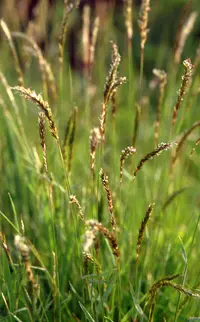
For new plantings, sow or plant in narrow strips or blocks rather than scattering single plants, as dense patches help this fine-textured grass outcompete weeds and create a more uniform display.

Gentle competition management

During the first 1–2 seasons, selectively hand-weed or spot-treat aggressive perennials around clumps instead of clearing all neighboring vegetation, since light competition helps keep plants from becoming overly lush and lodging (falling over).

Timed seed collection

If seed saving, cut seed heads when they turn golden and feel dry but before they shatter, then dry them further on a tray indoors and store in a paper envelope to maintain viability for future sowing.

Rotational patch renewal

In long-term plantings, rejuvenate by lightly cultivating and reseeding or replanting a portion of the area every 3–4 years to keep stands vigorous and reduce the buildup of thatch and self-sown overcrowded seedlings while caring for sweet vernalgrass.

Common Pests and Diseases

Leaf rust

This disease causes small yellow to orange pustules on leaves, often merging into larger patches and reducing vigor. Symptoms include early leaf yellowing and premature dieback, especially in dense stands or humid conditions.

Solution

Cut and remove heavily infected foliage to reduce spore load, and avoid overhead irrigation so leaves dry quickly. Improve air movement, reduce excess nitrogen fertilization, and if needed use a labeled grass fungicide as a spot treatment, following local guidelines for Anthoxanthum odoratum care in turf or meadow settings.

Leaf spot

This disease produces tan to brown spots on leaves that may have darker margins and can coalesce into larger dead areas. Symptoms include thinning patches and reduced growth under prolonged wet or shaded conditions.

Solution

Mow or cut and remove affected leaf material, and avoid leaving dense thatch where moisture lingers. Improve drainage and light exposure where possible, and in persistent cases consider rotating to less susceptible grasses or using a targeted foliar fungicide according to label directions for cool-season grasses.

Fusarium crown rot

This disease affects the crown and lower stems, leading to yellowing, stunted growth, and eventual collapse of clumps, sometimes with brown or reddish discoloration at the base. Symptoms include patchy dieback that worsens in stressed or overgrazed areas.

Solution

Remove and destroy severely affected plants to limit spread, and avoid prolonged soil compaction and waterlogging. Rotate mowing or grazing to reduce plant stress, and where feasible improve soil structure with organic matter and avoid high nitrogen under cool, wet conditions that favor Fusarium species.

Grass aphids

These insects feed on sap from leaves and stems, causing yellow stippling, curling, and reduced vigor, and may produce sticky honeydew that encourages sooty mold. This pest tends to build up in warm, sheltered spots or on lush, high-nitrogen growth.

Solution

Encourage natural predators such as lady beetles, and when populations are localized, hose down plants with a firm stream of water or cut and remove infested foliage. For larger infestations, use insecticidal soap or a narrow-range horticultural oil applied in the early morning, ensuring thorough coverage of leaf surfaces.

Cocksfoot stem borer

This pest is a small moth larva that tunnels inside grass stems, leading to dead or whitened shoots and reduced seed production. Symptoms include hollow stems that break easily and irregular thinning in infested patches.

Solution

Cut and remove old stems after flowering to destroy larvae and limit overwintering, and avoid leaving tall unmanaged thatch where adults can shelter. In production or restoration settings, time mowing or grazing to disrupt the life cycle, and use targeted biological controls where available instead of broad-spectrum insecticides that harm beneficial insects.

Interesting Facts

Coumarin hay scent

This grass is rich in coumarin, a fragrant compound that becomes more noticeable as the leaves dry, giving cut hay and dried meadows a strong sweet, vanilla-like smell.

Early-flowering grass

It is among the first grasses to flower in spring in many temperate meadows, helping early-season pollinators by providing pollen when few other grasses are in bloom.

Soil acidification indicator

In European grassland ecology, this species is often used as an indicator of moderately acidic, low-lime soils, helping botanists assess underlying soil conditions without laboratory tests.

Botan icon

Did you know?

Historically, dried sweet vernalgrass was used to scent mattresses, church floors, and traditional May Day garlands in parts of Europe because the fragrance from its coumarin-rich leaves intensifies as the plant dries and ages.

FAQs about sweet vernalgrass

This species spreads by seed and short rhizomes, forming loose clumps rather than dense mats. In garden settings it can self-seed noticeably, but regular mowing, deadheading, or timely removal of seedlings usually keeps it in check.

Grow Healthy Plants with Botan Care

Keep your plants happy and healthy with plant identification, disease detection, and easy care guidance.


Botan plant care app — identify plants on mobile

Explore More Plants