red grama Care (Bouteloua trifida)

red grama

About red grama

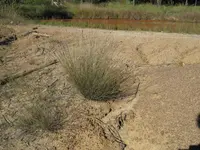
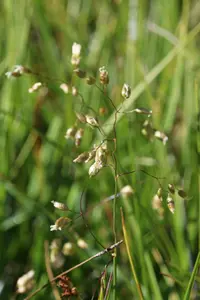
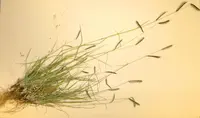
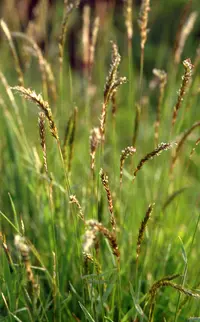
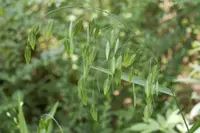
Red grama (Bouteloua trifida) is a small, clumping warm-season grass native to dry regions of the southwestern United States and northern Mexico. It typically forms low, fine-textured tufts with delicate flowering stems above the foliage.

This species is adapted to poor, rocky, or sandy soils and tolerates heat and drought, which makes it a low-input grass for naturalistic plantings. It suits habitat gardens, dry meadows, and restoration projects where a compact, resilient grass is desired.

Red grama prefers full sun and well-drained soil and does not need frequent watering once established. These traits mean learning how to care for red grama is straightforward for most gardeners.

Main Plant Requirements

Care Difficulty

Easy Care

Light Preference

Full Sun

Water Requirements

Low Water

Temperature Preference

Cold Hardy

Hardiness Zone

5–9

Soil Texture

Sandy, Loamy, Rocky

Soil pH

Slightly acidic (6.5–7.0), Neutral (7.0)

Soil Drainage

Well-drained

Fertilization

Minimal (feed rarely)

Get Personalized Care Plan

Scan your plant to receive care tips personalized for your specific plant

Available on iOS and Android

How to Care for the red grama

This warm-season grass thrives in open, bright locations with long daily sun exposure.

  • Provide 6–10 hours of direct sun daily; full sun promotes dense, upright growth and stronger color in red grama.
  • Plant in an unshaded site; it tolerates very light afternoon shade but becomes looser and more open with less than 6 hours of sun.
  • In cool seasons, full sun helps offset slower growth, while in extreme summer heat, brief late-afternoon shade can reduce leaf scorch in dry, exposed spots.

This drought-adapted grass prefers infrequent, deep watering once established.

  • After establishment, water only when the top 5–8 cm of soil are completely dry and grass blades start to curl slightly or feel papery.
  • Use sharply draining soil; Bouteloua trifida is prone to root problems if water pools for more than a few hours after rain or irrigation.
  • During the first growing season, water deeply but allow soil to dry between soakings; in winter, reduce to occasional watering only during extended warm, dry spells.

This species handles wide temperature swings typical of continental grassland climates.

  • Active growth is strongest around 75–90°F (24–32°C); it slows noticeably below 60°F (16°C) and enters dormancy in cool seasons.
  • Mature plants tolerate heat up to about 100–105°F (38–41°C) if soil is well drained and not waterlogged during hot periods.
  • Dormant crowns survive short cold spells down to about 0°F (−18°C); repeated hard freezes below this or freeze–thaw cycles in wet soil increase winter loss risk.

This drought-adapted grass tolerates a wide humidity range and rarely needs special humidity management.

Bouteloua trifida prefers lean, fast-draining mineral soils that do not stay wet after rain or watering.

  • Use a sandy or gravelly mix, such as 60–70% coarse sand or grit blended with low-organic topsoil.
  • Keep drainage sharp; avoid mixes heavy in peat or fine compost that hold water and compact over time.
  • A slightly alkaline to neutral pH around 7.0–8.0 suits this grass; avoid strongly acidic substrates.
  • For containers, add mineral aggregates like pumice or small gravel to increase aeration and prevent root rot in prolonged wet periods.

This species is suitable for containers if the pot is prepared to mimic dry, open soil conditions.

  • Choose a wide, shallow container to support its clumping habit and allow lateral root spread without excess depth that traps moisture.
  • Use a heavy or weighted pot if exposed to strong winds, as the grass blades can catch wind and tip light containers.
  • Elevate the pot on feet or blocks so drainage holes stay clear and runoff leaves quickly after rain or irrigation, preventing soggy lower layers.

Bouteloua trifida is a low-input native grass that needs only light feeding in most soils.

  • Use a balanced slow-release fertilizer (such as 10-10-10) or a thin top-dressing of compost in spring.
  • Apply at most 1–2 times per growing season for young or container plants; established clumps in the ground often need none.
  • Dilute liquid feeds to 1/2 strength and water the soil first to avoid root burn.
  • Stop fertilizing in late summer so growth can harden off before winter, and do not feed during dormancy.

Pruning for Bouteloua trifida focuses on maintaining a tidy clump and encouraging fresh seasonal growth.

  • Cut back dry or winter-killed foliage in late winter or very early spring before new shoots emerge.
  • Remove dead, diseased, or badly damaged stems at the base with clean, sharp shears to reduce disease risk.
  • Thin out crowded clumps by removing a few older stems, which improves air flow and maintains an upright form.
  • Avoid frequent in-season cutting; only trim lightly to shape, as excessive removal can reduce flowering.

This bunchgrass is more often transplanted in the landscape than repotted, since it is usually grown outdoors.

  • Transplant or divide in early spring or early fall when temperatures are mild and soil is workable.
  • Look for signs such as roots circling a container, water running off quickly, or noticeably slowed growth before moving container plants up 1 pot size.
  • Lift clumps with a spade, keeping as much root mass as possible, and replant at the same depth in well-drained soil.
  • Water thoroughly after transplanting and keep soil lightly moist for 1–2 weeks to limit root stress and support establishment.

Bouteloua trifida is commonly propagated by division and by seed for maintaining or expanding plantings.

  • Divide mature clumps in early spring or fall, ensuring each section has several shoots and healthy roots.
  • Sow fresh seed in late fall for natural cold stratification or in early spring after a short chill in the refrigerator.
  • Use a well-drained sandy or loamy seed mix, keep lightly moist, and provide bright light for uniform germination.
  • Label seed or division batches and space young plants adequately to develop full clumps without overcrowding.

This warm-season grass is generally cold hardy in its range and needs minimal winter care in the ground, which simplifies caring for red grama.

  • Allow foliage to go dormant naturally; leave dry stems over winter to help insulate the crown and provide structure.
  • In colder areas or exposed sites, apply a light 2–5 cm mulch around, but not over, the crown to buffer freeze–thaw cycles.
  • Move containers to a sheltered, unheated area with good light and drainage so roots do not stay waterlogged and freeze solid.

Care Tips

Establish by Seeding

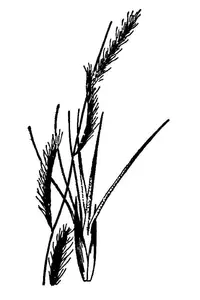
For new plantings, broadcast seed in late fall or very early spring onto a firm, lightly raked seedbed and press in with a roller or by gently tamping so the seed has good soil contact but remains near the surface.

Encourage Dense Stands

Once patches are established, lightly rake or disturb the soil surface around mature clumps in late winter to encourage natural reseeding and thicker, more erosion-resistant cover.

Mow for Vigor

If used as a lawn alternative, set the mower high (7–10 cm), mow only a few times per growing season, and remove heavy clippings to reduce thatch and maintain healthy regrowth.

Rotate Grazing Pressure

In mixed-use areas with foot traffic or light grazing, allow rest periods of several weeks after heavy use so plants can rebuild root reserves and maintain long-term stand health when growing red grama.

Minimal Winter Cleanup

Leave dry foliage standing over winter to protect crowns from temperature swings, then cut back to 5–7 cm just before spring growth starts to reduce disease carryover while preserving cold protection.

Common Pests and Diseases

Chinch bugs

This pest feeds on grass blades and crowns, causing irregular reddish, then straw-colored patches that expand during hot, dry weather.

Solution

Reduce thatch and avoid overfertilizing with nitrogen to make turf less attractive, then spot-treat infested areas with a labeled contact insecticide or horticultural soap, thoroughly soaking the thatch layer where nymphs hide.

Grasshoppers

These insects chew foliage and seedheads, creating ragged leaf edges and sometimes thinning small or newly established plantings.

Solution

Encourage natural predators by maintaining diverse surrounding vegetation, use floating row covers or fine netting over young stands where feasible, and in high-pressure areas consider targeted baits or spot applications of a labeled grasshopper control product around, rather than directly over, the grass clumps.

Leaf spot

This disease causes small brown or purplish spots on leaves that may merge into larger lesions, leading to premature browning and thinning of foliage in humid or overcrowded stands.

Solution

Improve air circulation by avoiding overcrowding and heavy thatch, irrigate early in the day so foliage dries quickly, remove and discard heavily affected leaf material, and in persistent cases use a labeled turf fungicide applied according to regional Bouteloua trifida care recommendations.

Interesting Facts

Distinctive three-lobed spikelets

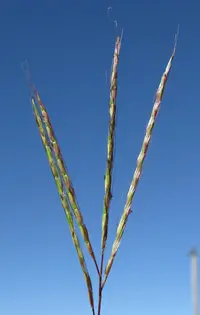
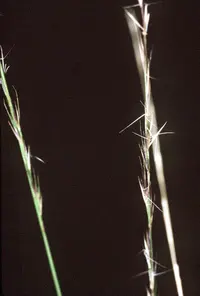
This species is easily recognized by its spikelets split into three small lobes, which give the inflorescence a fine, comb-like appearance unlike the more widely known eyelash-like spikes of some related grama grasses.

Adapted to calcareous soils

It frequently occurs on rocky limestone or calcareous substrates in the southwestern United States and northern Mexico, showing a strong tolerance for high pH soils that can limit many other grass species.

Localized geographic range

The natural range is relatively restricted compared with some congeners, being largely confined to arid and semi-arid regions of Texas and adjacent areas of northern Mexico, where it contributes to open grassland and rocky slope plant communities.

FAQs about red grama

Growth is moderate rather than fast. In its first year, this grass focuses on root development, then gradually thickens and spreads. Good light, drainage, and low to moderate competition from nearby plants support steady establishment when growing red grama outdoors.

Grow Healthy Plants with Botan Care

Keep your plants happy and healthy with plant identification, disease detection, and easy care guidance.

Botan plant care app — identify plants on mobile

Explore More Plants