Density management
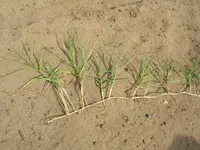
Thin crowded seedlings early, aiming for 10–15 cm between plants or small clumps, to improve airflow and reduce fungal disease pressure when growing soft brome in dense stands.

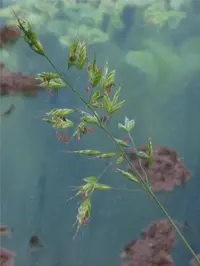
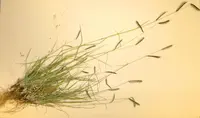
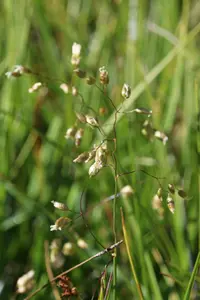
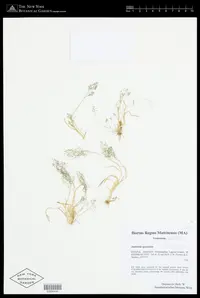
Soft brome (Bromus hordeaceus) is an annual grass commonly found in fields, roadsides, pastures, and disturbed soils across Europe, North America, and other temperate regions. It often appears as a volunteer species in lawns and garden borders.
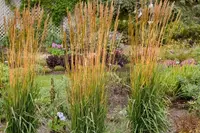
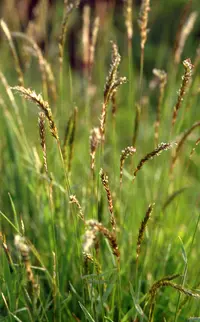
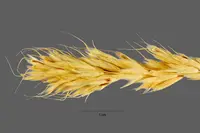
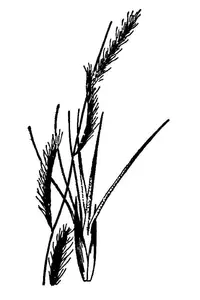
The plant forms loose clumps with softly hairy leaves and nodding seed heads that turn from green to golden as they mature. It grows quickly from seed and can spread efficiently, which makes it persistent but also relatively easy to establish where desired.
In general, it prefers full sun, moderately moist but well-drained soil, and can tolerate a range of soil types. Gardeners who want to care for soft brome mainly need to manage its self-seeding habit.

Care Difficulty
Easy Care

Light Preference
Full Sun

Water Requirements
Moderate Water

Temperature Preference
Cool Climate

Hardiness Zone
5–9

Soil Texture
Sandy, Loamy, Silty

Soil pH
Acidic (5.5–6.5), Slightly acidic (6.5–7.0)

Soil Drainage
Well-drained

Fertilization
Minimal (feed rarely)
Scan your plant to receive care tips personalized for your specific plant
Available on iOS and Android
This cool-season annual grass performs best with bright, direct light in open sites.
This species prefers evenly moist but not saturated soil during active growth.
This cool-season grass grows best in mild conditions and slows in high heat.
Humidity is not a significant factor for Bromus hordeaceus in typical outdoor conditions.
This grass prefers moderately fertile, well-drained mineral soils rather than rich, heavy substrates.
This species can be grown in containers for short-term ornamental or study purposes.
This annual grass needs minimal feeding, as many wild plants grow well in modest soils.
Pruning Bromus hordeaceus is limited and mainly focuses on hygiene and stand management rather than shaping.
This annual grass is usually direct-sown outdoors, so care focuses on transplanting young plants rather than long-term repotting.
New plants are most commonly raised from seed, since this annual grass completes its life cycle in one season.
As a cool-season annual, this grass usually completes its life cycle before harsh winter weather and needs little winter care.

Plant Health Check
Not sure what's wrong with your plant? Check your plant's health inside the app.
This species is an annual that completes its life cycle in 1 season and is predominantly self‑pollinating, so individual plants can quickly found new populations without needing cross‑pollination from neighbors.
Leaves and leaf sheaths are softly hairy and flexible, which gives the plant its common name soft brome and helps distinguish it from rougher, more rigid brome species in the field.
It establishes readily on disturbed, nitrogen‑rich soils such as roadsides, field margins, and overgrazed pastures, where its rapid early growth allows it to outcompete many native annual grasses.

Soft brome was originally native to parts of Europe, North Africa, and western Asia, but has become a widely naturalized and sometimes invasive species in regions such as North America, Australia, and New Zealand, where it can alter grassland composition and grazing value.
This grass grows quickly, often completing its life cycle within a single growing season. Under suitable moisture and light, seedlings establish fast and produce dense foliage, which is important to consider when managing or limiting its spread.
Keep your plants happy and healthy with plant identification, disease detection, and easy care guidance.