Indiangrass Care (Sorghastrum nutans)

Also known as: yellow Indiangrass
Indiangrass

About Indiangrass

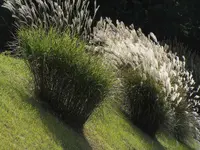
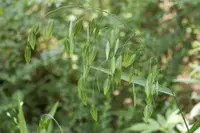
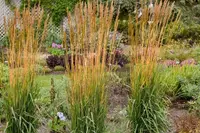
Indiangrass, Sorghastrum nutans, is a warm-season perennial bunchgrass native to North American prairies, open fields, and roadsides. It forms upright clumps with tall, arching stems and narrow blue-green leaves that turn golden in fall.

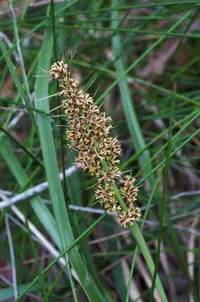
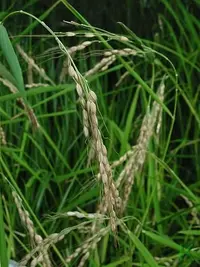
In late summer it produces showy, bronze-gold flower plumes that add height and movement to landscapes. Deep roots make it drought-tolerant once established and useful for erosion control.

This species adapts to a range of soils as long as drainage is good, and it prefers full sun. Its toughness and low nutrient needs mean that, with basic attention, it is relatively simple to care for Indiangrass.

Main Plant Requirements

Care Difficulty

Easy Care

Light Preference

Full Sun

Water Requirements

Low Water

Temperature Preference

Cold Hardy

Hardiness Zone

4–9

Soil Texture

Sandy, Loamy, Clay

Soil pH

Slightly acidic (6.5–7.0), Neutral (7.0)

Soil Drainage

Well-drained

Fertilization

Minimal (feed rarely)

Get Personalized Care Plan

Scan your plant to receive care tips personalized for your specific plant

Available on iOS and Android

How to Care for the Indiangrass

This warm-season prairie grass thrives in open, sunny sites with long daily sun exposure.

  • Provide 6–8 hours of direct sun daily; full sun promotes strongest stems, dense clumps, and best golden fall color in Indiangrass.
  • Plant in open areas with unobstructed morning and midday sun; light afternoon shade is tolerated in hot climates but may slightly reduce flowering height.
  • In partial shade (3–4 hours sun), expect looser growth and fewer seed heads; avoid deep shade, which leads to weak, floppy stems and poor vigor.

This species prefers dry to moderately moist soil and is highly drought tolerant once established.

  • During the first growing season, water when the top 3–5 cm of soil has dried, then soak deeply to encourage a deep root system in Sorghastrum nutans.
  • After establishment, rely on rainfall except during prolonged drought; water only when foliage begins to curl slightly or the soil is dry several inches down.
  • Use well-drained soil or amended clay to prevent standing water; persistent soggy conditions cause root rot, yellowing foliage, and plant decline.

This warm-season grass is highly cold hardy yet also tolerates hot summers in most temperate climates.

  • Active growth occurs in spring and summer when temperatures are around 75–90°F (24–32°C), with strongest shoot and root development in consistently warm conditions.
  • Established plants tolerate winter lows near -20°F (-29°C) in many regions, surviving dormancy even when foliage fully dies back after hard frosts.
  • In hot spells above 95°F (35°C), growth may slow but plants generally cope if soil is not waterlogged; avoid placing in heat-trapping walls or enclosed pockets.

This warm-season prairie grass handles a wide humidity range and usually needs no special humidity management outdoors.

This species prefers lean, well-drained mineral soils that stay dry to slightly moist, not rich and wet.

  • Use sandy or sandy-loam soil with 10–20% compost at most to avoid overly lush, floppy growth.
  • Ensure sharp drainage; on heavy ground, mix in coarse sand or fine gravel to reduce water retention.
  • Aim for slightly acidic to neutral pH around 6.0–7.5, avoiding strongly acidic or salty soils.
  • Avoid compacted, waterlogged, or peat-heavy mixes that hold water around the crown for long periods.

This species can grow in containers, but the pot must control height, dryness, and tipping risk.

  • Choose a deep, heavy container so the tall, top-heavy clump does not blow over in wind.
  • Use a very free-draining mix, such as 60–70% gritty sand or fine gravel blended with a low-compost loam-based potting mix.
  • Position the container where rain can drain freely off hard surfaces so runoff does not pool around the base.

This native warm-season grass needs minimal feeding on most garden soils.

  • Use a light top-dressing of compost in spring for established Indiangrass, especially on poor or sandy soils.
  • If needed, apply a balanced slow-release fertilizer (around 10-10-10) once in late spring.
  • Use fertilizer at half the label strength to avoid lush, floppy growth.
  • Do not feed in fall or winter, when growth is dormant.

Pruning Sorghastrum nutans is mainly done to manage appearance and encourage fresh growth.

  • Cut back old stems to 5–10 cm in late winter or very early spring before new shoots emerge.
  • Remove dead, broken, or severely leaning stems during the season with clean hand pruners.
  • Leave standing foliage and seed heads through winter for structure and wildlife value, then cut down in one session.
  • Avoid frequent in-season cutting, which can weaken clumps and reduce flowering.

This grass is usually grown in the ground, so focus on dividing and transplanting mature clumps.

  • Plan transplanting or division in early spring or early fall, when temperatures are mild.
  • Look for crowded clumps, reduced flowering, or thinning centers as signs it needs division every 3–5 years.
  • Dig up the clump carefully, slice into sections with a sharp spade, and retain generous root mass for each piece.
  • Replant divisions at the same depth, water thoroughly, and keep soil evenly moist until new growth establishes.

Sorghastrum nutans is commonly propagated by division or from seed.

  • Divide mature clumps in early spring as new shoots appear, keeping 3–5 shoots per division.
  • Replant divisions promptly into prepared soil with good drainage and water consistently until established.
  • For seeds, sow in fall outdoors or after a cold stratification period of 30–60 days in the fridge.
  • Provide full sun and lightly firmed, moist soil for reliable germination and strong seedling growth.

This species is cold hardy across much of North America and needs little winter care in the ground.

  • Leave dry stems and foliage standing through winter to insulate the crown and support wildlife.
  • In very exposed or marginally hardy sites, apply a 5–8 cm mulch layer around the base after soil cools.
  • Container-grown plants in cold regions benefit from moving to a sheltered, unheated but frost-free spot.

Care Tips

Rotate grazing access

In meadow or pasture settings, protect clumps by rotating livestock access so the plants can regrow and rebuild root reserves between grazing periods.

Minimal spring cleanup

Leave standing foliage over winter for crown insulation and cut it back only in late winter or very early spring, before new shoots appear, to preserve habitat for beneficial insects and protect buds at the base.

Encourage deep rooting

During establishment, water less frequently but deeply so the soil profile moistens 15–20 cm down, which promotes a deep root system and greater drought resilience.

Control self-seeding

If you want tidy borders, shear or deadhead most of the seed heads just as they turn tan, leaving a few for wildlife, to prevent the grass from seeding into paths or nearby beds.

Use clump division

Every 4–6 years, divide overly dense clumps in early spring, replanting only vigorous outer sections to maintain strong growth and rejuvenate stands when caring for Indiangrass.

Common Pests and Diseases

Rust

This disease causes small orange to brown pustules on leaves and stems, often appearing in late summer on dense or humid plantings.

Solution

Remove and dispose of heavily infected foliage, avoid overhead watering, and thin or divide dense clumps to improve air circulation; in severe or recurring cases, use a labeled grass fungicide applied according to Sorghastrum nutans care instructions and local regulations.

Leaf spot

This disease produces tan to dark brown spots on leaves that may coalesce, leading to early browning and partial dieback of foliage.

Solution

Cut back and discard affected leaves, reduce leaf wetness by watering at the base, and space plants to promote airflow; if needed, apply a broad-spectrum foliar fungicide labeled for ornamental grasses at the first signs of spotting.

Smut

This disease leads to black, powdery spore masses in seed heads, distorting or replacing normal flowers and seeds.

Solution

Cut and destroy infected seed heads before spores spread, avoid saving seed from affected clumps, and maintain plant vigor through proper spacing and moderate fertilization; severely affected plants can be dug out and replaced with clean nursery stock.

Grasshoppers

These insects chew irregular holes in leaves and can skeletonize foliage in dry, open sites where populations are high.

Solution

Encourage natural predators by maintaining plant diversity, use floating row covers on young plantings if practical, and, where damage is severe, apply a targeted grasshopper bait or contact insecticide following label directions and local guidelines.

Armyworms

These caterpillars feed in groups and can quickly strip leaves, causing ragged foliage and thinning of clumps, especially in late summer or early fall.

Solution

Inspect plants at dusk and handpick caterpillars when numbers are low, encourage birds and beneficial insects, and, for heavier infestations, use a biological control such as Bacillus thuringiensis (Bt) or a selective lawn caterpillar product labeled for ornamental grasses.

Interesting Facts

Tall prairie dominant

This warm-season bunchgrass often reaches 120–180 cm in native tallgrass prairies, making it one of the structural dominants that form the upper canopy along with big bluestem and switchgrass.

Specialist insect host

Its foliage and flower stems serve as a host for several specialist skipper butterflies, including the dusted skipper (Atrytonopsis hianna) and the Indian skipper (Hesperia sassacus), whose larvae feed specifically on this grass.

High-value wildlife cover

The dense, upright clumps provide nesting habitat and winter cover for ground-nesting birds and small mammals in restored prairie and conservation plantings.

Botan icon

Did you know?

This species was designated the official state grass of Oklahoma in 1972, reflecting its historical importance and visual prominence in the region’s remaining tallgrass prairies.

FAQs about Indiangrass

This warm-season grass usually blooms from late summer into early fall. The golden, feathery plumes can stay visually attractive for several weeks, often holding structure and color well into winter, especially in dry, open conditions.

Grow Healthy Plants with Botan Care

Keep your plants happy and healthy with plant identification, disease detection, and easy care guidance.

Botan plant care app — identify plants on mobile

Explore More Plants