Dense stand seeding
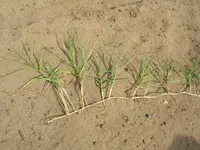
Sow seed slightly closer than usual (about 15–20 cm between rows) to encourage a dense stand that shades soil, suppresses weeds, and reduces the need for frequent hand weeding when growing California brome.

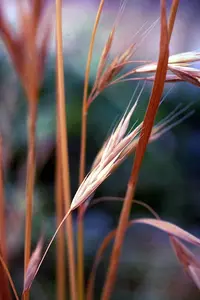
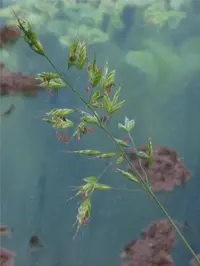
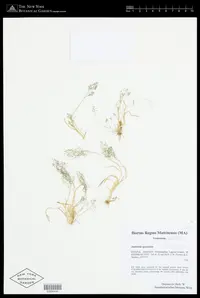
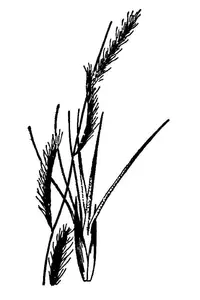
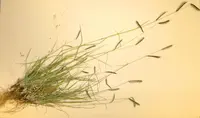
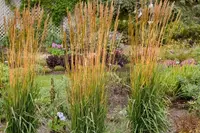
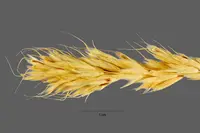
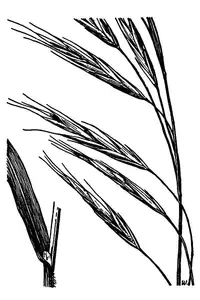
California brome, Bromus carinatus, is a cool-season perennial bunchgrass native to western North America, from British Columbia to California and into the Rocky Mountains. It typically forms loose, upright clumps with narrow leaves and open seed heads that sway above the foliage, giving a soft, meadow-like look.
In the wild, it grows in grasslands, open woodlands, and disturbed sites, which reflects its adaptable and relatively forgiving nature. Gardeners who want to care for California brome usually provide sun to light shade, moderate moisture, and well-drained soil to keep it healthy and long-lived.

Care Difficulty
Easy Care

Light Preference
Full Sun

Water Requirements
Moderate Water

Temperature Preference
Cold Hardy

Hardiness Zone
3–9

Soil Texture
Sandy, Loamy, Clay

Soil pH
Acidic (5.5–6.5), Slightly acidic (6.5–7.0)

Soil Drainage
Well-drained

Fertilization
Minimal (feed rarely)
Scan your plant to receive care tips personalized for your specific plant
Available on iOS and Android
This cool-season grass prefers open, bright sites but adapts to light shade in many temperate climates.
This bunchgrass prefers evenly moist but not saturated soil, especially during establishment and active spring growth.
This species is adapted to temperate climates with cool, moist growing seasons and relatively mild winters.
Humidity is not a critical factor for Bromus carinatus, which adapts well to typical outdoor air conditions.
This species prefers moderately fertile, well-drained mineral soils that stay slightly moist but not waterlogged.
This grass can be grown in outdoor containers if the pot supports its fibrous root system and upright clumps.
This native bunchgrass grows well in ordinary soils and usually needs only light feeding.
Pruning focuses on tidying growth and maintaining a dense, healthy clump.
This grass is usually grown in the ground, so care centers on timely transplanting rather than frequent repotting.
This bunchgrass is commonly propagated by seed and by division of established clumps.
This cool-season, cold-hardy grass needs little winter attention in most temperate climates.

Plant Health Check
Not sure what's wrong with your plant? Check your plant's health inside the app.
This species is native to western North America, especially common from British Columbia through California, where it naturally occupies moist prairies, open woodlands, and disturbed slopes.
Although often described as a perennial bunchgrass, it is relatively short‑lived and can behave as a biennial or short‑term perennial, relying on frequent reseeding to maintain stable populations.
It is widely used in habitat restoration and erosion‑control projects because it establishes quickly, competes well with many invasive grasses, and provides good forage for wildlife and livestock.

Genetic and morphological studies show that this species is highly variable across its range, with multiple subspecies and ecotypes adapted to different moisture levels and elevations, which makes seed source selection important in ecological restoration work.
This grass is typically a cool-season perennial, though it can behave as a short-lived perennial under stress. Individual plants often persist several years, especially in cooler climates with moderate grazing or mowing and not-too-dry conditions.
Keep your plants happy and healthy with plant identification, disease detection, and easy care guidance.