common groundcherry Care (Physalis longifolia)

Also known as: longleaf groundcherry, long-leaved groundcherry, narrow-leaf ground-cherry
common groundcherry

About common groundcherry

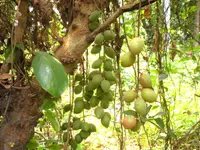
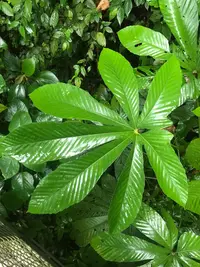
Common groundcherry (Physalis longifolia) is a perennial herb in the nightshade family, known for its papery, lantern-like husks surrounding small berries. It typically forms loose clumps with upright, branching stems and narrow leaves.

This species is native to North America and often occurs in prairies, open woods, fields, and disturbed sites. It spreads by both seed and underground rhizomes, which can make it persistent once established.

Physalis longifolia is generally considered undemanding, provided it receives sun, well-drained soil, and moderate moisture. Understanding how to care for common groundcherry starts with managing its spreading habit and giving it enough light and space.

Main Plant Requirements

Care Difficulty

Easy Care

Light Preference

Full Sun

Water Requirements

Moderate Water

Temperature Preference

Cold Hardy

Hardiness Zone

3–8

Soil Texture

Sandy, Loamy, Silty

Soil pH

Acidic (5.5–6.5), Slightly acidic (6.5–7.0)

Soil Drainage

Well-drained

Fertilization

Minimal (feed rarely)

Get Personalized Care Plan

Scan your plant to receive care tips personalized for your specific plant

Available on iOS and Android

How to Care for the common groundcherry

Physalis longifolia performs best in bright, direct sun during the growing season.

  • Provide 6–8 hours of direct sun daily; full sun promotes compact growth and good fruiting in common groundcherry outdoors.
  • Allow light afternoon shade in hot climates to reduce leaf scorch, especially when temperatures exceed 90°F (32°C).
  • In spring and fall, choose an open, unshaded site so lower sun angles still give at least 5–6 hours of direct exposure.

Physalis longifolia prefers evenly moist but not saturated soil once established.

  • Water when the top 3–5 cm of soil feels dry, applying enough to moisten the root zone without leaving standing water.
  • In hot, windy weather, expect faster drying and check soil every 1–2 days; in cool or rainy periods, extend intervals to prevent soggy conditions.
  • Watch for yellowing, soft stems as a sign of overwatering, and limp, dull leaves plus dry, crumbly soil as signs of underwatering.

This species favors warm growing conditions and is sensitive to hard frost.

  • Optimal growth occurs around 70–85°F (21–29°C), with flowering and fruit set strongest in consistently warm weather.
  • Plant outdoors after frost risk passes and night temperatures stay above 55°F (13°C); killing frost commonly occurs below 30–32°F (-1–0°C).
  • It tolerates short heat waves up to about 95°F (35°C) if soil moisture is maintained, but prolonged extremes can reduce flowering and fruit quality.

This species manages well in typical household humidity and seldom needs special humidity control.

  • Aim for 30–50% humidity, similar to most indoor environments, which suits common groundcherry without extra measures.
  • It tolerates dry air but may show mild leaf edge browning or slower growth if humidity drops very low for long periods.
  • If air is extremely dry, group pots together on a pebble tray with water below the pot base to slightly raise local humidity.

This species prefers loose, well-drained soil that mimics a sandy, slightly fertile field edge.

  • Use a mix such as 40% compost, 40% coarse sand, and 20% perlite to create a crumbly, aerated structure that resists compaction.
  • Ensure fast drainage; water should infiltrate quickly and not sit on the surface or pool in the container or bed.
  • Aim for a slightly acidic to neutral pH around 6.0–7.2, avoiding heavily limed or strongly alkaline soils that lock up nutrients.
  • Improve heavy or clay soil by incorporating coarse sand and fine bark chips before planting, avoiding low, waterlogged spots.

This species grows reliably in containers when given enough root depth and fast-draining conditions.

  • Choose a pot at least 25–30 cm deep to support the taproot and reduce tipping as stems branch and fruit develop.
  • Use a heavier material like clay or thick plastic outdoors to keep the container stable against wind and top-heavy growth.
  • Raise the pot on feet or bricks so drainage holes stay clear and excess water exits quickly after rain or irrigation, preventing soggy roots.

Physalis longifolia benefits from light, targeted feeding but grows acceptably in average, not overly rich soil.

  • Use a balanced NPK fertilizer at 1/2 strength or well-rotted compost worked lightly into the topsoil in spring.
  • Feed every 4–6 weeks during the main growing season if growth or fruiting of common groundcherry seems modest.
  • Avoid high-nitrogen products, which push leafy growth at the expense of flowers and fruit set.
  • Stop feeding in late summer and do not fertilize during dormancy or winter to prevent soft, frost-tender growth.

Pruning Physalis longifolia is mainly about hygiene and gentle shaping rather than heavy cutting.

  • In late winter or early spring, remove dead, diseased, or storm-damaged stems with clean hand pruners.
  • Thin crowded interior shoots to improve air movement and light penetration, which supports healthy flowering and fruiting.
  • Lightly shorten overly long, floppy stems to keep a compact, stable shape without removing too much green growth.
  • Disinfect blades between plants to limit disease spread and avoid pruning during very wet conditions.

This species is more often grown in the ground, so transplanting young plants correctly matters more than frequent repotting.

  • Transplant in spring after frost, choosing a sunny site with well-drained soil and space for spreading roots and shoots.
  • Move container plants only when roots circle the pot, growth slows, or watering frequency becomes very high.
  • Shift to a container 2–5 cm wider, handling the root ball gently and loosening only the outermost circling roots.
  • Water thoroughly after transplanting, then keep soil evenly moist and shaded for a few days to reduce transplant shock.

Physalis longifolia is most often propagated by seed, with division or stem cuttings used where clumps are well established.

  • Sow fresh seed indoors in late winter or outdoors in spring, using a light, well-drained mix kept at 65–75°F.
  • Press seed lightly into the surface, cover very thinly, and maintain steady moisture until germination in 1–3 weeks.
  • Divide mature clumps in early spring, lifting and splitting sections with several shoots and healthy roots.
  • Root soft, non-flowering stem cuttings in warm, bright, indirect light using a moist, free-draining propagation mix.

This perennial is fairly cold hardy in much of its native range and usually needs only modest winter preparation in the ground.

  • After hard frost, allow top growth to die back naturally, then cut stems close to the soil surface.
  • Apply a 5–8 cm mulch layer over the root zone in late fall to buffer freeze–thaw cycles.
  • In colder regions or in containers, move pots to a sheltered, frost-free area and keep soil just barely moist.

Care Tips

Sturdy plant support

Install low tomato cages or individual stakes early in the season so stems stay upright and fruits are kept off wet soil, which reduces rot and slug damage.

Fruit ripeness check

Harvest only fully filled, papery husks that have turned tan and often dropped to the ground, as underfilled or green husks usually contain underripe, less flavorful fruit.

Mulch for clean fruit

Lay a 5–8 cm layer of clean straw or leaf mulch under plants so dropped husked fruits stay dry and clean, making collection easier and reducing soil-borne disease splashing.

Targeted pest scouting

Inspect leaf undersides and new growth twice weekly for aphids, flea beetle shot-holes, or hornworms, and remove pests by hand or with a strong water spray before infestations build.

End-of-season management

In cold regions, mark the most vigorous plants and collect their fruits separately for seed, then remove and dispose of crop residues to limit overwintering pests when growing common groundcherry.

Common Pests and Diseases

Three-lined potato beetle

This pest feeds heavily on foliage and sometimes fruit, leaving skeletonized leaves and defoliated stems. Symptoms include narrow longitudinal stripes on the adult beetles and clusters of soft-bodied larvae covered in their own fecal shield.

Solution

Hand-pick adults and larvae in small plantings and drop them into soapy water, and remove nearby weedy nightshades that act as hosts. For heavier infestations, protect plants with lightweight row covers early in the season or apply a targeted spinosad or neem product to foliage, following label directions and avoiding spray during bee activity.

Colorado potato beetle

This pest chews large, irregular holes and can rapidly defoliate plants, especially in sunny, open plantings. Symptoms include round, orange-yellow adults with black stripes and plump red larvae with black spots clustering on leaves.

Solution

Scout plants frequently and crush egg masses on the undersides of leaves, then hand-remove larvae and adults where practical. Rotate planting locations away from previous Solanaceae crops, mulch to make movement harder, and if needed use selective insecticides such as spinosad according to label guidance, focusing on young larvae rather than adults.

Tobacco flea beetle

These insects create numerous small round shot holes in leaves, often giving foliage a sieve-like appearance, especially on young plants or seedlings. This pest is particularly common in sandy or weedy sites with other nightshade hosts.

Solution

Use floating row covers to protect seedlings until they are established and keep the area around plants mowed and free of alternate host weeds. In higher-pressure situations, apply a fine layer of organic mulch around the base of plants and consider a registered pyrethrin or neem spray directed to foliage in the evening, repeating only as necessary.

Tomato spotted wilt virus

This disease causes bronzing, ring spots, and mottling on leaves, sometimes with stunted growth and distorted new foliage. Symptoms include irregular ripening and spotting on fruit, which may become unmarketable.

Solution

Remove and discard infected plants promptly to limit spread and control thrips, which transmit the virus, by using reflective mulch, blue or yellow sticky traps, and targeted insecticidal soap or spinosad sprays. Avoid planting near ornamentals known to host thrips and viruses, and use clean transplants and strict tool hygiene as part of broader Physalis longifolia plant care in mixed beds.

Early blight

This disease causes brown leaf spots with concentric rings, often starting on lower leaves and progressing upward in warm, humid weather. Symptoms include yellowing and premature leaf drop, which can expose fruit to sunscald and reduce yield.

Solution

Improve airflow by proper spacing and pruning of crowded stems, and water at soil level instead of overhead to keep foliage dry. Promptly remove infected leaves, rotate away from other Solanaceae crops for at least 2–3 years, mulch soil to limit splash, and in persistent cases consider a copper-based or chlorothalonil fungicide applied preventively according to label instructions.

Interesting Facts

North American native range

This species is native to central and western North America, often occurring in prairies, open woodlands, and disturbed sites such as roadsides and fields, where it can form persistent, spreading colonies.

Rhizome-based spread

Unlike many other Physalis species that spread mostly by seed, this plant also spreads vigorously via underground rhizomes, which helps it survive grazing, mowing, and periodic disturbance in its native habitats.

Distinctive long calyx

The species name longifolia refers to its relatively long leaves and the noticeably elongated, lantern-like calyx that encloses the berry, a feature used by botanists to separate it from closely related groundcherries.

Botan icon

Did you know?

Genetic and morphological studies have shown that what was once treated as several separate species in this group has been reinterpreted, with Physalis longifolia acting as a key taxon for understanding species limits and evolution within North American groundcherries.

FAQs about common groundcherry

Browning leaves usually come from inconsistent moisture, excess fertilizer salts, or strong wind scorch. Check soil drainage, flush pots occasionally, and shield from hot, dry winds. Fungal leaf spots cause brown patches; remove affected foliage and improve air flow.

Grow Healthy Plants with Botan Care

Keep your plants happy and healthy with plant identification, disease detection, and easy care guidance.

Botan plant care app — identify plants on mobile

Explore More Plants