


pink knotweed Care (Persicaria capitata)

Also known as: pink smartweed, pink head knotweed
pink knotweed

About pink knotweed

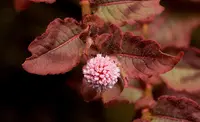
Pink knotweed (Persicaria capitata) is a low, mat-forming perennial often grown as a groundcover or trailing plant in containers. It has small, rounded leaves with darker V-shaped markings and produces many soft pink, clover-like flower balls. Native to parts of Asia, it can spread quickly in mild climates and may behave as an invasive plant outdoors in some regions. It prefers sun to light shade, moderately moist but well-drained soil, and tolerates some neglect once established. These traits make it relatively easy to grow, though its fast spread means plant owners should monitor and care for pink knotweed responsibly.

Main Plant Requirements

Care Difficulty

Easy Care

Light Preference

Partial Sun

Water Requirements

Regular Water

Temperature Preference

Tropical / Frost Sensitive

Hardiness Zone

8–11

Soil Texture

Sandy, Loamy, Organic-rich

Soil pH

Acidic (5.5–6.5), Slightly acidic (6.5–7.0)

Soil Drainage

Moist but well-drained

Fertilization

Light (every 4–6 weeks)

Get Personalized Care Plan

Scan your plant to receive care tips personalized for your specific plant

Available on iOS and Android

How to Care for the pink knotweed

Persicaria capitata grows best with bright, non-scorching light and some protection from intense midday sun.

  • Provide 4–6 hours of morning sun or filtered light, with shade or dappled light during the harsh afternoon, especially in hotter regions.
  • It tolerates partial shade (2–4 hours sun) but may flower less; dense shade leads to weak, leggy pink knotweed growth and sparse blooms.
  • In summer, protect from reflected heat and strong 12–4 pm sun; in cooler seasons, allow more direct light to maintain compact growth.

This plant prefers consistently lightly moist soil but reacts poorly to both drought and standing water.

  • Allow the top 2–3 cm of soil to dry before watering again, then water thoroughly so moisture reaches the root zone without leaving puddles.
  • Use well-drained soil; pooling water, sour smell, or yellowing, soft stems indicate overwatering and possible root problems.
  • Crisping leaves, wilting between rains, and very dry, pulling soil signal underwatering; during hot, dry periods, check moisture every 1–2 days and adjust.

This species favors mild, frost-free conditions with moderate warmth during the growing season.

  • Optimal growth occurs around 65–80°F (18–27°C), where stems spread quickly and foliage stays dense and colorful.
  • It is damaged by frost; growth slows near 40–45°F (4–7°C), and hard frost below 32°F (0°C) can kill top growth or the whole plant.
  • In hot spells above 90°F (32°C), provide extra shade and soil moisture; in cooler months, expect slower growth and possible dieback in marginal climates.

This species manages well in typical indoor humidity but benefits from slightly moist air in heated homes.

  • Aim for 40–60% humidity to keep foliage of pink knotweed from crisping at the tips.
  • It tolerates brief dry air, but persistent levels below 30% can cause browning edges and slower growth.
  • Increase humidity by grouping pots, placing trays with water and pebbles nearby, or running a small humidifier in very dry rooms.

This species prefers loose, moderately fertile, consistently moist but well-drained soil.

  • Use a light loam or soilless mix made from roughly 2 parts peat- or coir-based potting mix, 1 part compost, and 1 part perlite or coarse sand for structure.
  • Ensure fast drainage so roots never sit in waterlogged conditions, which encourage root rot and stem dieback.
  • A slightly acidic to neutral pH around 6.0–7.0 suits Persicaria capitata, so most standard potting mixes work without adjustment.
  • Improve aeration by adding extra perlite or fine bark if the mix compacts, and avoid heavy clay or dense garden soil in containers.

This trailing species is very suitable for containers and hanging baskets.

  • Choose a wide, shallow container to allow stems to spread and root at the nodes rather than a deep, narrow pot.
  • Use a pot material like plastic or glazed ceramic if faster drying terracotta causes the mix to dry out too quickly in hot weather.
  • Raise the container slightly on pot feet or bricks so drainage holes stay clear and trailing growth does not block water outflow.

Persicaria capitata responds well to light feeding but grows acceptably in average garden soil.

  • Use a balanced liquid fertilizer (such as 10-10-10) at 1/2 strength for pink knotweed in containers during active growth.
  • Feed every 4–6 weeks in spring and summer; skip doses if growth already looks vigorous.
  • Apply a thin layer of compost around outdoor plants once in spring instead of frequent liquid feeding.
  • Stop feeding in fall and winter to allow natural slowing of growth and reduce weak, soft tissues.

Pruning Persicaria capitata keeps the mat dense, tidy, and encourages fresh flowering shoots.

  • Best timing is late winter to early spring, then light touch-ups through the growing season.
  • Shear or pinch back leggy, overgrown stems to maintain a low, compact carpet of foliage and flowers.
  • Remove dead, damaged, or crowded shoots with clean scissors or hand pruners to improve air flow.
  • After flowering flushes, lightly trim spent blooms to encourage new buds and limit self-seeding.

Persicaria capitata is often grown as a groundcover but adapts well to shallow containers and hanging baskets.

  • Check containers yearly; repot when roots circle the pot, soil dries very fast, or growth slows despite good care.
  • Plan transplanting for spring or early summer, once frost risk has passed and new growth starts strongly.
  • Repot every 2–3 years into a slightly wider, shallow container using a loose, well-drained potting mix.
  • Minimize root stress by watering well before and after moving, handling the root ball gently, and shading for 2–3 days.

Persicaria capitata spreads readily, so propagation is straightforward and often part of routine maintenance.

  • Take 5–8 cm stem cuttings in spring or early summer, removing lower leaves and planting nodes in moist, well-drained mix.
  • Encourage natural layering by pinning creeping stems so nodes contact soil; roots typically form within a few weeks.
  • Divide dense outdoor patches in spring, replanting healthy clumps at the same depth and watering thoroughly.
  • For seeds, sow on the surface of moist mix in warm (65–75°F), bright conditions and keep lightly covered to maintain humidity.

Persicaria capitata is only moderately frost tolerant and benefits from basic winter preparation in cooler climates.

  • In mild climates (zones 8–10), plants often remain evergreen with minimal dieback and need little intervention.
  • In colder areas, add a 3–5 cm mulch layer around the root zone after hard frosts to buffer temperature swings.
  • For containers, move pots indoors or to a sheltered, frost-free spot, keeping soil just barely moist through winter.

Care Tips

Edge Containment

Install a shallow plastic or metal edging 5–8 cm deep around beds to limit rhizome spread and make it easier to lift and thin clumps every 1–2 years.

Layering Propagation

Pin down healthy, trailing stems with small U-shaped wire pins into loose soil, then sever and replant once new roots form at the nodes after 3–5 weeks.

Winter Protection Mat

In USDA zones 7–8, leave a slightly thicker carpet and add a light mulch layer in late fall so the foliage shields crowns from freeze–thaw stress while still allowing drainage.

Weed-Suppressing Density

Plant starts at 15–20 cm spacing and allow them to knit into a closed mat, which helps suppress small weeds and reduces the need for frequent hand weeding when growing pink knotweed.

Step-Tolerant Use

Use this plant only in areas with very light, occasional foot traffic and place flat stepping stones where people walk most often to prevent stem breakage and soil compaction under the mat.

Common Pests and Diseases

Spider mites

This pest thrives on dense, sun‑exposed mats, sucking sap from leaves and causing stippling, bronzing, and fine webbing on Persicaria capitata foliage. Symptoms include dull, speckled leaves that can dry and drop in hot, dry conditions.

Solution

Rinse foliage thoroughly with a strong but controlled stream of water, focusing on the undersides of leaves, and repeat every few days to reduce populations. In persistent cases, apply insecticidal soap or horticultural oil labeled for spider mites and increase ambient humidity and airflow without creating prolonged leaf wetness.

Aphids

These insects cluster on tender stems and new growth, extracting sap and excreting sticky honeydew that can attract ants and encourage sooty mold on the tight groundcover canopy. Symptoms include distorted young leaves, sticky residue, and sometimes black fungal coating on the leaf surface.

Solution

Prune or pinch off heavily infested tips and rinse remaining shoots with water to dislodge colonies. For ongoing problems, use insecticidal soap, ensuring full coverage of stems and leaf undersides, and manage nearby ant activity that protects aphids.

Leaf spot

This disease causes small, dark, water‑soaked or tan lesions on the leaves that can merge and create irregular dead patches, especially in humid, poorly ventilated plantings. Symptoms include blemished foliage and premature leaf drop that reduce the ornamental value of the pink knotweed mat.

Solution

Remove and discard affected leaves and any thick debris from around the plant to lower fungal and bacterial load. Improve air movement and avoid overhead watering; in severe, recurring cases, consider a labeled broad‑spectrum foliar fungicide and space plantings to allow faster drying of foliage.

Powdery mildew

This disease produces white, powdery patches on the leaf surface, which can spread across the carpeting stems in shaded, stagnant air conditions. Symptoms include dull, grey‑white coating, leaf distortion, and gradual decline in vigor.

Solution

Trim back heavily affected stems to open the mat and dispose of infected material, then increase sun exposure and airflow where possible. If needed, apply a sulfur or potassium bicarbonate fungicide labeled for powdery mildew, ensuring thorough coverage of remaining foliage while avoiding treatments during temperature extremes.

Slugs and snails

This pest group feeds on the low, spreading foliage and young stems, leaving irregular holes and slime trails, especially in moist, shaded beds or containers. Symptoms include ragged leaf edges, missing sections of foliage, and visible slime on soil or paving near the plant.

Solution

Hand-pick slugs and snails in the evening, reduce hiding spots such as dense mulch and debris, and keep the soil surface slightly drier near the crown. If damage persists, use iron phosphate bait placed around, not on, the plant and maintain tidy borders to limit reinfestation while still supporting healthy, moist soil for growing pink knotweed.

Interesting Facts

Himalayan origin groundcover

Pink knotweed is native to the eastern Himalayas and surrounding regions, where it forms dense mats in open, disturbed ground and rocky slopes, which explains its strong spreading habit in gardens and urban areas.

Creeping stolon growth

The plant spreads by above-ground stolons, or creeping stems, that root at the nodes, allowing it to rapidly cover soil but also making it potentially invasive in mild, frost-free climates.

Cold damage leaf bronzing

Its small, hairy leaves often develop reddish or bronze tones under cooler temperatures or strong light, a response linked to increased pigments called anthocyanins that can help protect tissues from stress.

FAQs about pink knotweed

This species spreads quickly via creeping stems and rooting nodes, often forming dense mats. In mild climates it can become invasive. Use barriers, containers, or regular edging and thinning to prevent it from overrunning adjacent planting areas.

Grow Healthy Plants with Botan Care

Keep your plants happy and healthy with plant identification, disease detection, and easy care guidance.

Botan plant care app — identify plants on mobile









