


Rotate For Symmetry
Turn the pot 90° every 2–3 weeks so stems receive even light and develop a balanced, upright canopy instead of leaning strongly to one side.

Dracaena reflexa var. angustifolia 'Bicolor' is a compact, woody houseplant known as a type of dragon tree. It has narrow, arching leaves with green centers and creamy pink to red edges.
In nature, it occurs in parts of the Indian Ocean region, growing as a shrubby understory plant. Indoors, it usually develops a slim, cane-like trunk with tufts of foliage at the top, giving a sculptural look.
It is valued for being relatively slow-growing, tolerant of indoor conditions, and forgiving of occasional missed watering. Moderate light, evenly moist but not soggy soil, and stable indoor temperatures support healthy growth and make it easier to care for Dragon Tree.

Care Difficulty
Easy Care

Light Preference
Bright Indirect Light

Water Requirements
Moderate Water

Temperature Preference
Tropical / Frost Sensitive

Hardiness Zone
10–12

Soil Texture
Loamy, Sandy, Organic-rich

Soil pH
Acidic (5.5–6.5), Slightly acidic (6.5–7.0)

Soil Drainage
Well-drained

Fertilization
Light (every 4–6 weeks)
Scan your plant to receive care tips personalized for your specific plant
Available on iOS and Android
This variegated Dracaena prefers bright, stable light to keep its striped leaves well colored.
This species prefers moderate, even moisture with brief dry periods between waterings.
Stable, warm conditions support compact growth and healthy foliage color in this Dracaena.
This plant handles typical indoor humidity but benefits from slightly elevated levels.
This species prefers a loose, well‑aerated mix that drains quickly but holds moderate moisture.
This species is well suited to container culture in homes and offices.
This plant benefits from light, consistent feeding during the warmer months for steady growth.
Thoughtful pruning keeps Dracaena reflexa var. angustifolia 'Bicolor' compact, tidy, and well-shaped indoors.
This slow-growing plant prefers slightly snug pots and does not need frequent repotting.
New plants are most commonly produced from stem cuttings rather than seed.
Cold-sensitive plants grown outdoors in containers need careful handling in winter in most climates.

Plant Health Check
Not sure what's wrong with your plant? Check your plant's health inside the app.
This cultivar shows stable cream, yellow, and green striping along its narrow leaves, a trait maintained through vegetative propagation rather than seed because seedlings do not reliably keep the bicolor pattern.
It develops upright, woody canes that slowly branch over time, giving a tree-like outline that distinguishes it from many other dracaena types with more cane-like, unbranched stems.
It is a cultivated form of the Madagascar species Dracaena reflexa var. angustifolia, chosen specifically for its narrow leaves and contrasting variegation rather than for differences in flower or fruit biology.
Brown tips usually come from low humidity, fluoride or salt buildup, or light overfertilizing. Use filtered or rainwater, flush the pot occasionally, keep it away from heating vents, and trim only the completely dead tips.
Keep your plants happy and healthy with plant identification, disease detection, and easy care guidance.

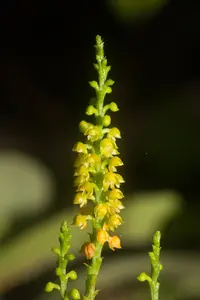
lesser yellowspike orchid
Polystachya foliosa
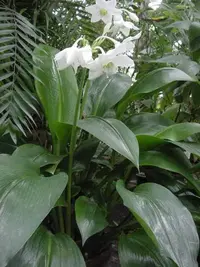
Amazon Lily
Urceolina × grandiflora
Ecklon spurflower
Plectranthus ecklonii
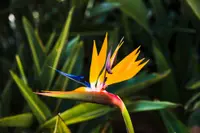 POPULAR
Giant White Bird of Paradise
Strelitzia nicolai
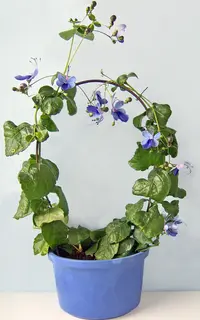
Rough-leaved Cats-whiskers
Rotheca myricoides
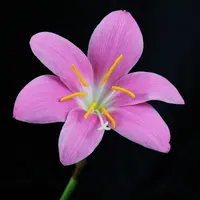
Rose Pink Zephyr Lily
Zephyranthes carinata
green shield alocasia
Alocasia clypeolata
Echeveria amoena
Echeveria amoena