Emerald Ripple Peperomia Care (Peperomia caperata 'Rosso')

Also known as: Radiator Plant
Emerald Ripple Peperomia

About Emerald Ripple Peperomia

Emerald ripple peperomia (Peperomia caperata 'Rosso') is a compact tropical houseplant grown mainly for its textured foliage. It stays small and suits desks, shelves, and windowsills.

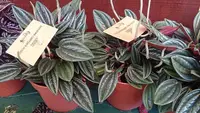
Leaves form a dense rosette with deeply ridged surfaces and a rich green to dark red color, often with striking red undersides. Stems are short, so the plant has a low, mounding habit rather than long trailing vines.

P. caperata comes from the understory of Brazilian rainforests, where it grows in warm, shaded, and humid conditions. It is generally considered easy to grow and forgiving, which helps anyone learning how to care for Emerald Ripple Peperomia.

It prefers bright, indirect light, moderate moisture, and a loose, well-drained potting mix that does not stay soggy.

Main Plant Requirements

Care Difficulty

Easy Care

Light Preference

Bright Indirect Light

Water Requirements

Moderate Water

Temperature Preference

Tropical / Frost Sensitive

Hardiness Zone

11–12

Soil Texture

Loamy, Peaty, Organic-rich

Soil pH

Acidic (5.5–6.5), Slightly acidic (6.5–7.0)

Soil Drainage

Well-drained

Fertilization

Light (every 4–6 weeks)

Get Personalized Care Plan

Scan your plant to receive care tips personalized for your specific plant

Available on iOS and Android

How to Care for the Emerald Ripple Peperomia

Peperomia caperata 'Rosso' prefers soft, indirect light that mimics a shaded forest floor.

  • Provide bright, filtered light for 6–8 hours daily, such as near an east or north window, or under sheer curtains in brighter exposures.
  • Tolerates partial shade, but in very low light the foliage stretches and color fades; Emerald Ripple Peperomia and related types develop best color with moderate indirect light.
  • Avoid harsh midday or strong afternoon sun, which can scorch leaves; in summer, move slightly farther from windows or add sheer screening.

Peperomia caperata 'Rosso' prefers light, infrequent watering and slightly drying between waterings.

  • Water when the top 2–4 cm of soil feels dry, then water thoroughly so excess drains away; do not let the pot sit in runoff.
  • Reduce watering in fall and winter as growth slows, letting the soil dry a bit deeper while leaves stay firm and not limp or curled.
  • Watch for overwatering signs such as yellowing, mushy leaves or a sour soil smell; very droopy, thin leaves and pulling away from the pot indicate underwatering.

This species prefers stable, warm conditions similar to a mild indoor room climate.

  • Aim for 65–80°F (18–27°C) for steady growth, avoiding sudden swings; short dips outside this range are tolerated if brief.
  • Keep it above 55°F (13°C); exposure below this can cause leaf drop and root damage, and the plant is not frost tolerant at all.
  • In hot weather above 85°F (29°C), increase airflow and shade from intense sun; in cooler seasons, keep away from cold drafts, uninsulated windows, and heater blasts.

This compact Peperomia prefers moderately humid air but usually adapts to typical indoor levels.

  • Aim for 40–60% humidity to keep leaves firm and surface texture crisp.
  • It tolerates short periods of drier air, but prolonged humidity below 30% can cause leaf edge browning and slight curling.
  • Increase humidity with a nearby open tray of water and pebbles or by grouping Emerald Ripple Peperomia with other plants, not by misting heavily.

Peperomia caperata 'Rosso' grows best in a light, airy mix that drains quickly yet holds some moisture.

  • Use a loose, organic-rich mix such as 50% all-purpose potting mix with 25% perlite and 25% fine orchid bark for both aeration and structure.
  • Ensure the mix is fast-draining; water should pass through in seconds, leaving the soil slightly moist but never waterlogged.
  • A slightly acidic to neutral pH around 6.0–7.0 supports healthy root function and nutrient uptake.
  • Avoid dense clay, peat-only blends, or heavy garden soil that compacts, as this restricts oxygen around the fine roots and promotes rot.

This species is very suitable for container growing, especially in small decorative pots.

  • Choose a shallow, wide container so the relatively fine, shallow roots can spread without sitting in a deep, wet column of soil.
  • Select unglazed terracotta if the potting mix stays damp for too long, as the porous walls help moisture evaporate more evenly.
  • Place a stable saucer under small, lightweight pots to reduce tipping from the plant’s slightly top-heavy rosettes when the soil dries.

Peperomia caperata 'Rosso' is a light feeder that benefits from modest nutrition during active growth.

  • Use a balanced liquid houseplant fertilizer (around 10-10-10 or 20-20-20) diluted to 25–50% strength.
  • Feed every 4–6 weeks in spring and summer when new leaves form, similar to caring for Emerald Ripple Peperomia.
  • Skip or reduce feeding to 1 light application in fall and none in winter dormancy.
  • Avoid organic compost-heavy mixes in pots, which can stay too wet and cause root issues.

Peperomia caperata 'Rosso' needs only light pruning to maintain a compact, tidy mound.

  • Best time is late winter to early spring, just before strong new growth begins.
  • Use clean, sharp scissors to remove dead, yellowing, or damaged leaves at the base.
  • Thin crowded stems to improve air flow and keep the rosette form low and dense.
  • Pinch back excessively long shoots to encourage branching and fuller top growth.

This compact peperomia prefers being slightly root bound and only needs infrequent repotting.

  • Check for roots circling the pot, emerging from drainage holes, or unexplained slow growth as signs to repot.
  • Plan repotting every 2–3 years in spring, moving up just 2–3 cm in pot diameter.
  • Gently loosen circling roots and keep the original root ball largely intact to reduce stress.
  • Water lightly after repotting, then keep in bright, indirect light for 7–10 days while roots recover.

Peperomia caperata 'Rosso' is commonly propagated from cuttings or small divisions indoors.

  • Take 5–8 cm stem or leaf-with-petiole cuttings in spring or early summer.
  • Root cuttings in a light, well-drained mix and maintain 70–80°F with high humidity and bright, indirect light.
  • Insert cuttings just deep enough to stand upright and keep the medium slightly moist, never soggy.
  • Divide a dense plant by gently separating small clumps, preserving as many roots as possible.

This tropical houseplant is not frost hardy and must be kept above 55°F in winter.

  • Overwinter indoors in bright, indirect light away from drafts and cold windows.
  • Maintain 60–75°F and avoid sudden temperature swings around the plant.
  • Allow the top of the soil to dry a bit more between waterings, since winter growth slows.
  • Do not use outdoor mulching; focus instead on stable indoor temperatures and moderate humidity.

Care Tips

Rotate For Symmetry

Turn the pot 90° every 1–2 weeks so the rosette grows evenly and foliage stays compact instead of leaning strongly toward the light source.

Use Wide Containers

Choose a shallow, wider pot rather than a deep one to accommodate the naturally shallow root system and reduce the risk of overwatering the lower soil column.

Protect Brittle Stems

When repotting or dusting leaves, handle the plant by the pot or soil surface instead of the stems, which snap easily and can leave wounds that invite disease.

Targeted Pest Checks

Inspect the deeply corrugated leaf surfaces and undersides with a hand lens every few weeks, focusing on the leaf bases and petiole joints where mealybugs and spider mites often hide on compact Peperomia caperata 'Rosso' plants.

Light Acclimation Routine

If moving the plant closer to a window or into stronger artificial light, shift its position gradually over 7–10 days to prevent leaf scorch and stress while growing Emerald Ripple Peperomia indoors.

Common Pests and Diseases

Mealybugs

This pest appears as small white cottony clusters tucked into leaf folds and along stems, often causing distorted growth and sticky residue. Symptoms include slowed growth and dull, stressed leaves, especially on dense rosettes.

Solution

Remove visible insects with a cotton swab dipped in 70% isopropyl alcohol, then gently rinse the foliage to clear residues from the textured leaves. For continued control when growing Emerald Ripple Peperomia or similar species, repeat alcohol swabs weekly and use a gentle insecticidal soap on all plant surfaces, keeping the plant slightly drier and isolated until the infestation stops.

Fungus gnats

These insects are small, dark flying gnats that hover around the pot and crawl on the soil surface. Symptoms include soggy mix, slow growth, and in heavier infestations, damage to fine feeder roots from the larvae in constantly wet soil.

Solution

Allow the top 2–3 cm of potting mix to dry between waterings, since larvae need consistently damp media. Use yellow sticky traps to catch adults, improve drainage, and, if needed, drench the soil with a biological control containing Bacillus thuringiensis israelensis (BTI) to reduce larvae numbers.

Spider mites

This pest causes fine speckling, dulling, and slight bronzing on the foliage, often starting on the undersides of leaves where they feed. Symptoms include very fine webbing between leaves and petioles, especially in warm, dry indoor air.

Solution

Rinse the plant thoroughly with lukewarm water, focusing on the undersides of leaves and tight rosettes to dislodge mites. Increase humidity around the plant, improve airflow, and apply insecticidal soap or a neem oil spray every 7–10 days until no new damage appears.

Edema

This disorder appears as corky, blister-like spots or rough patches on leaves, usually after periods of overwatering or sudden over-saturation of the potting mix. Symptoms include thickened or scarred areas on older leaves while newer leaves may grow normally after conditions improve.

Solution

Reduce watering frequency so the mix is allowed to dry slightly between waterings and ensure the pot has good drainage. Maintain a stable environment without sudden swings in soil moisture, and remove the most damaged leaves only if they are severely affected or starting to rot.

Bacterial leaf spot

This disease causes small, water-soaked, translucent spots on leaves that may turn brown, irregular, and sometimes develop yellow halos. Symptoms include spreading lesions in crowded foliage, especially if leaves stay wet and airflow is poor around the dense rosettes.

Solution

Promptly remove and discard affected leaves, using clean, disinfected tools, and avoid overhead watering so foliage dries quickly. Improve spacing and airflow, keep water off the leaves, and if the problem progresses, consider disposing of severely affected plants to prevent spread to nearby peperomias.

Interesting Facts

Distinct two-sided foliage

This cultivar produces leaves that are dark green and deeply ridged on the upper surface while the undersides are a contrasting rich red, a color difference caused by anthocyanin pigments concentrated mainly on the lower leaf surface.

Compact rosette growth

The plant forms dense, low rosettes with leaves clustered close to the stem, a growth pattern that helps it occupy shaded understory niches in its native Brazilian habitat without competing strongly for height.

Spike-like inflorescences

It produces thin, upright flower spikes that are typically greenish to pale in color; these inflorescences are visually subtle and grown more for their botanical interest than for showy floral display.

FAQs about Emerald Ripple Peperomia

Curling leaves usually result from inconsistent watering, low humidity, or excess fertilizer salts in the soil. Check that the pot drains well, allow the top soil to dry slightly, rinse the potting mix, and avoid overfertilizing.

Grow Healthy Plants with Botan Care

Keep your plants happy and healthy with plant identification, disease detection, and easy care guidance.

Botan plant care app — identify plants on mobile

Explore More Plants