Mounting technique
Use a rough-barked branch or tree-fern slab and secure the roots with biodegradable twine or soft ties, keeping the rhizome just above the surface so new roots can attach and air can flow around the base.

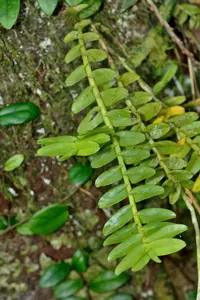
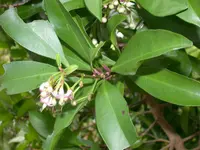
Appendicula reflexa is a small epiphytic orchid that usually grows on tree trunks and branches in humid tropical forests of Southeast Asia. It forms slender, often arching stems with narrow leaves and small, delicate flowers along the stem.
In cultivation it tends to stay compact, which can suit growers with limited space. Its natural habitat indicates a preference for warm temperatures, good air movement, and consistent moisture without heavy, soggy substrates. Understanding how to care for Appendicula reflexa starts with replicating its airy, bark-based growing conditions and shaded, forest-like light.

Care Difficulty
Hard Care

Light Preference
Partial Shade

Water Requirements
Keep Soil Moist

Temperature Preference
Tropical / Frost Sensitive

Hardiness Zone
Unknown

Soil Texture
Organic-rich, Peaty, Loamy

Soil pH
Acidic (5.5–6.5)

Soil Drainage
Moist but well-drained

Fertilization
Light (every 4–6 weeks)
Scan your plant to receive care tips personalized for your specific plant
Available on iOS and Android
This epiphytic orchid prefers bright, gentle light that mimics filtered forest conditions.
Watering should keep the root zone moist but never stagnant for healthy growth.
Stable warm conditions are important for this tropical species to maintain steady growth.
This epiphytic orchid prefers consistently high humidity to stay healthy and actively growing.
Appendicula reflexa thrives in a loose, airy medium that mimics its natural epiphytic habitat.
This species is suitable for container growing when mounted-style or orchid-friendly pots are used.
This orchid is light-feeding and benefits from modest, consistent nutrition during active growth.
Pruning needs are minimal and focus on keeping the plant healthy rather than shaping it heavily.
This epiphytic orchid prefers stable conditions and only occasional repotting when the root zone declines.
Propagation is possible but slow, so it is usually done only when dividing established plants.
This warm-growing orchid is not frost tolerant and needs sheltered, mild conditions in winter.

Plant Health Check
Not sure what's wrong with your plant? Check your plant's health inside the app.
Appendicula reflexa is an epiphytic orchid that often forms shrub-like clumps on tree trunks and branches rather than growing in soil, using its host only for physical support and not for nutrients.
The species name reflexa refers to the way parts of the flower are bent backward, a morphological trait that helps distinguish it from closely related Appendicula species.
This orchid is native to lowland and hill rainforests of parts of Southeast Asia, where it grows in warm, humid, shaded forest canopies exposed to regular air movement.
Lack of flowering usually comes from insufficient light, too-cool temperatures, or irregular feeding. Ensure bright filtered light, stable warmth, and a balanced orchid fertilizer during the growing season. Avoid frequent repotting, which can delay flower production for a year.
Keep your plants happy and healthy with plant identification, disease detection, and easy care guidance.