fragrant manjack Care (Cordia dichotoma)

Also known as: Clammy Cherry, Glue berry, Gunda
fragrant manjack

About fragrant manjack

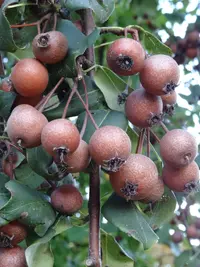
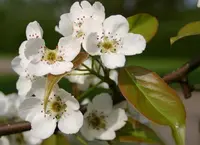
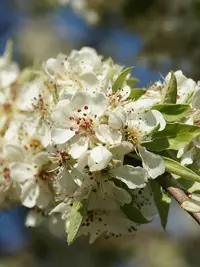
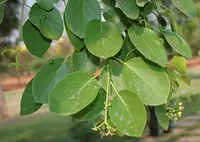
Fragrant manjack, Cordia dichotoma, is a small to medium tropical tree valued for its scented flowers and translucent, sticky fruits. It has a rounded crown with smooth, grayish bark and simple, broad leaves that give it a dense, leafy appearance.

This species is native to South and Southeast Asia and commonly grows in warm, dry to monsoon climates, often along roadsides and in open woodlands. It is generally resilient, tolerating heat, moderate drought, and a range of soil types, which makes it relatively straightforward to care for fragrant manjack in suitable outdoor conditions.

The tree prefers full sun to light shade and moderately moist, well-drained soil, but established plants handle short dry periods without significant stress.

Main Plant Requirements

Care Difficulty

Moderate Care

Light Preference

Full Sun

Water Requirements

Moderate Water

Temperature Preference

Tropical / Frost Sensitive

Hardiness Zone

10–12

Soil Texture

Sandy, Loamy, Clay

Soil pH

Slightly acidic (6.5–7.0), Slightly alkaline (7.0–7.5)

Soil Drainage

Well-drained

Fertilization

Minimal (feed rarely)

Get Personalized Care Plan

Scan your plant to receive care tips personalized for your specific plant

Available on iOS and Android

How to Care for the fragrant manjack

Cordia dichotoma performs best in bright, open sites with warm, stable light.

  • Provide 6–8 hours of direct sun daily; morning sun with light afternoon shade reduces leaf scorch in hot, dry climates.
  • The tree tolerates light partial shade, but flowering and fruiting of fragrant manjack decrease if it receives under 4–5 hours of sun.
  • In regions with intense summer sun, use neighboring trees or structures for filtered afternoon light; avoid deep shade, which causes lanky, weak growth.

Cordia dichotoma prefers evenly moist, well‑drained soil once established in the landscape.

  • Water deeply when the top 3–5 cm of soil feel dry; aim to soak the root zone rather than giving frequent shallow splashes.
  • Reduce watering in cool or rainy seasons, but in hot, dry weather increase frequency, watching for dull, drooping leaves as an early sign of drought stress.
  • Choose soil that drains freely; persistent sogginess, yellowing leaves, and soft stems indicate overwatering and risk of root rot.

This species thrives in warm subtropical to tropical conditions with mild winters.

  • Optimal growth occurs around 70–90°F (21–32°C); stable warmth supports strong shoot and flower development.
  • Mature trees may survive brief drops to about 28–30°F (-2 to -1°C), but young plants are more tender and can suffer dieback.
  • Avoid sites with repeated frost or cold winds; during heat waves above 100°F (38°C), deeper watering and mulch help protect roots and reduce stress.

Cordia dichotoma handles a wide humidity range but grows best with moderately moist air.

  • Target 40–60% humidity, similar to many subtropical outdoor conditions.
  • This species tolerates short dry spells, but very dry indoor air can crisp leaf edges and slow new growth in fragrant manjack.
  • Increase humidity by grouping plants, placing containers near other greenery, or using a pebble tray under outdoor pots in hot, dry weather.

Cordia dichotoma prefers loose, well-draining, slightly sandy soil that still holds some organic matter.

  • Use a mix of roughly 50–60% loam or compost, 20–30% coarse sand, and 10–20% perlite to balance drainage and moisture retention.
  • Aim for a slightly acidic to neutral pH around 6.0–7.2, which supports nutrient availability and root activity.
  • Improve aeration by avoiding compaction; gently loosen the upper 3–5 cm of soil periodically in established plantings.
  • Avoid heavy clay, waterlogged sites, or dense peat-only mixes that keep roots wet and promote fungal root problems.

This species can be grown in large containers when managed for root space and stability.

  • Choose a deep, wide pot that allows a substantial root system to develop and reduces the risk of the plant becoming root-bound and drought-stressed between waterings.
  • Select a heavy material such as thick terracotta or concrete to stabilize the container against wind and the tree’s woody canopy.
  • Ensure the potting mix drains freely enough that water passes through within seconds, preventing prolonged saturation at the bottom of the container.

Cordia dichotoma benefits from light, consistent feeding but grows on modest soils once established.

  • Apply a balanced slow-release NPK fertilizer at half strength at the start of the warm growing season.
  • Top-dress with a thin layer of compost once a year to improve soil organic matter and moisture retention when caring for fragrant manjack.
  • Water well after feeding to move nutrients into the root zone and prevent salt buildup near the surface.
  • Stop fertilizing in late fall and avoid feeding in winter dormancy to prevent weak, tender growth.

Cordia dichotoma responds well to light structural pruning that maintains a healthy, open canopy.

  • Carry out main pruning at the end of the cool, dry season or just before active spring growth.
  • Remove dead, diseased, crossing, or wind-damaged branches back to healthy wood with clean, sharp bypass pruners or a saw.
  • Thin congested interior shoots to improve air movement and light penetration, reducing disease risk and encouraging balanced growth.
  • Shorten overly long or leaning branches to refine shape, keeping cuts just above a lateral branch rather than leaving stubs.

This species is usually grown in the ground, so focus on careful transplanting of young Cordia dichotoma trees.

  • Transplant in late winter to early spring, when growth is slower and temperatures are mild.
  • Look for signs such as roots circling the nursery container or slow, stunted growth before shifting to a larger hole or pot.
  • Prepare a wide planting hole, loosen circling roots gently, and keep the root flare level with the surrounding soil.
  • Water thoroughly after planting, then maintain steady moisture and light shade for several weeks to reduce transplant shock.

Cordia dichotoma is most often propagated from seed, with cuttings used less commonly by specialists.

  • Collect ripe fruits, clean off pulp, and sow fresh seeds in a well-drained, sandy mix in warm conditions around 70–80°F.
  • Provide bright, indirect light and keep the medium evenly moist but not waterlogged to support germination.
  • For semi-hardwood cuttings, take material in late spring to summer, use rooting hormone, and place in high humidity with bottom warmth.
  • Transplant young seedlings or rooted cuttings carefully once roots fill the starter cell or pot, avoiding disturbance of the root ball.

Cordia dichotoma is subtropical to tropical and needs attention in regions with frost or freezing temperatures.

  • In mild climates, mature trees tolerate brief light chills but not prolonged hard freezes below about 28°F.
  • Apply 5–8 cm of organic mulch around the root zone in late fall, keeping it slightly away from the trunk.
  • In colder areas, grow in large containers and move plants indoors or into a greenhouse before the first frost.
  • Wrap young trunks with breathable frost cloth during cold snaps to reduce bark damage and dieback.

Care Tips

Early form training

In the first 2–3 years, select a single strong leader and 3–4 evenly spaced scaffold branches, removing competing shoots to build a stable framework that will carry the heavy fruit crop later.

Wind and branch support

In exposed sites, stake young trees and use soft ties to support long, fruit-laden branches so they do not twist or split under wind or crop weight.

Mulch for root health

Apply a 5–8 cm layer of coarse organic mulch from 10 cm away from the trunk out to the drip line to keep roots cooler, reduce soil compaction, and suppress weeds that compete for moisture.

Targeted fruit thinning

When branches are heavily flowered or setting too many fruits, remove a portion of the young fruits by hand along the branch to reduce breakage risk and improve the size and quality of the remaining crop.

Trunk collar protection

Keep soil, mulch, lawn grass, and irrigation heads away from the trunk flare so the base stays dry and visible, which lowers risk of rot, borers, and mower damage when growing fragrant manjack.

Common Pests and Diseases

Lac insects

These insects are small, scale-like sap suckers that settle on twigs and branches, excreting sticky honeydew that can encourage sooty mold growth. Symptoms include encrusted, reddish or brown patches on bark and a general decline in vigor.

Solution

Prune out and destroy heavily encrusted twigs, then scrub remaining colonies off branches with a soft brush and mild soapy water. For larger trees, use a targeted horticultural oil spray during crawler stages and encourage natural predators such as lady beetles to keep populations in check.

Leaf webbers

These insects are caterpillars that bind leaves together with silk, feeding within the folded leaves and causing ragged holes, browning, and partial defoliation. Symptoms include webbed leaf clusters, frass (insect droppings), and distorted new foliage.

Solution

Hand-pick and destroy webbed leaf clusters with larvae inside, especially on young or low trees. For heavier infestations, apply a biological insecticide containing Bacillus thuringiensis (Bt) to young foliage, and maintain good tree vigor so light defoliation does not cause long-term damage.

Leaf spot

This disease causes small to medium brown or dark lesions on leaves, sometimes with yellow halos, leading to premature leaf drop in humid or wet conditions. Symptoms include scattered spots that may coalesce, giving foliage a scorched appearance.

Solution

Collect and destroy fallen, infected leaves to reduce inoculum, and avoid overhead irrigation to keep foliage as dry as possible. Where the problem recurs, improve canopy airflow by light pruning, and in high-value situations consider a copper-based fungicide at the start of the rainy season following local label directions.

Powdery mildew

This disease appears as a white to gray powdery film on young leaves and shoots, which can cause leaf curling, distortion, and reduced growth, especially on shaded or crowded branches. Symptoms include dull, mottled foliage with a fine, dust-like coating that can be wiped off initially.

Solution

Increase light and airflow by thinning dense branches and avoiding overcrowding with nearby vegetation, and remove heavily infected shoots. If needed, apply a sulfur or potassium bicarbonate-based fungicide at the first sign of disease and repeat as directed, focusing on tender new growth and maintaining consistent, moderate irrigation to reduce plant stress.

Interesting Facts

Mucilaginous edible pulp

The ripe drupes of this species contain a clear, jelly-like pulp that is mildly sweet and edible, and is traditionally used in some South and Southeast Asian cuisines as a dessert ingredient and cooling snack.

Sticky seed dispersal

The fruits have a very sticky outer layer that adheres to animal fur and bird feathers, helping the seeds hitchhike to new locations, an adaptation known as epizoochory, meaning dispersal on the outside of animals.

Tolerant of coastal stress

This tree naturally occurs from dry lowlands to coastal areas, showing notable tolerance to seasonal drought, high light, and moderate soil salinity, which makes Cordia dichotoma plant care relatively flexible in warm climates.

Botan icon

Did you know?

Archaeobotanical evidence from ancient sites in the Indian subcontinent indicates that the drupes and seeds of this species were used by humans thousands of years ago, suggesting a very long history of interaction between people and this tree as a multipurpose resource.

FAQs about fragrant manjack

Lack of flowering usually comes from insufficient light, heavy pruning at the wrong time, or nutrient imbalance with too much nitrogen. Stable warmth and avoiding cutting young flowering wood are key parts of Cordia dichotoma care.

Grow Healthy Plants with Botan Care

Keep your plants happy and healthy with plant identification, disease detection, and easy care guidance.


Botan plant care app — identify plants on mobile

Explore More Plants