Use low supports
Install short stakes or a low mesh fence around young plants to keep stems and fruiting branches off wet soil, which reduces fruit rot and makes harvesting easier.

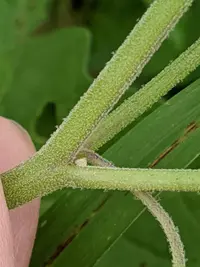
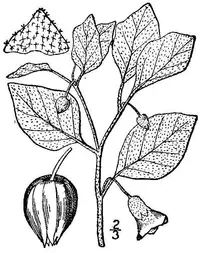
Field groundcherry (Physalis mollis) is a low, spreading perennial in the nightshade family, known for its soft, hairy leaves and papery husk-covered fruits. It typically forms loose clumps in open, dry areas such as prairies, roadsides, and sandy fields across parts of North America.
The plant has a modest, somewhat weedy look but establishes readily in well-drained, lean soils with full sun. Once settled, it tolerates drought and poor soil, which helps make it relatively easy to care for field groundcherry.
It grows best in bright conditions with moderate moisture and soil that does not stay wet for long periods.

Care Difficulty
Easy Care

Light Preference
Full Sun

Water Requirements
Moderate Water

Temperature Preference
Warm Climate

Hardiness Zone
4–8

Soil Texture
Sandy, Loamy, Organic-rich

Soil pH
Acidic (5.5–6.5), Slightly acidic (6.5–7.0)

Soil Drainage
Well-drained

Fertilization
Minimal (feed rarely)
Scan your plant to receive care tips personalized for your specific plant
Available on iOS and Android
Physalis mollis grows best in bright outdoor conditions with consistent daily sun exposure.
Physalis mollis prefers evenly moist, well-drained soil that dries slightly between waterings.
This species prefers warm growing conditions and is sensitive to frost and extreme temperature swings.
Humidity is usually not critical for field groundcherry when grown outdoors in its typical range.
Physalis mollis prefers well-aerated, fast-draining soil that does not stay waterlogged after rain or irrigation.
This species can grow successfully in containers when given enough root space and steady support.
Physalis mollis grows well in average soil but benefits from light feeding in poor or depleted ground when growing field groundcherry for fruit.
Physalis mollis needs only light pruning to maintain health and a tidy form.
This species is more often grown in the ground than in containers, so focus on careful transplanting of Physalis mollis seedlings or divisions.
Physalis mollis is most commonly propagated from seeds, with occasional use of division in established clumps.
This perennial is fairly cold hardy in many temperate regions and often needs minimal winter care outdoors.

Plant Health Check
Not sure what's wrong with your plant? Check your plant's health inside the app.
This species is naturally adapted to dry, sandy prairies and open fields of central North America, where its deep root system and softly hairy leaves help reduce water loss and tolerate periodic drought.
Leaves and stems are covered in dense, soft pubescence, giving the plant a velvety feel and helping protect tissues from intense sun, wind, and small herbivores.
The small yellow berries develop inside an inflated, papery calyx that forms a lantern-like husk, which offers physical protection for the developing fruit and aids in gradual seed release as the husk weathers.
The ripe, fully yellow to tan berries inside the papery husk are edible and mildly sweet, but unripe green fruits, leaves, and stems contain solanine-like alkaloids and should not be eaten. Always discard damaged or bitter-tasting fruits.
Keep your plants happy and healthy with plant identification, disease detection, and easy care guidance.