Castanopsis fargesii Care

Castanopsis fargesii

About Castanopsis fargesii

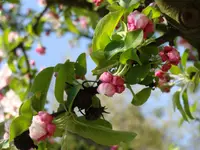
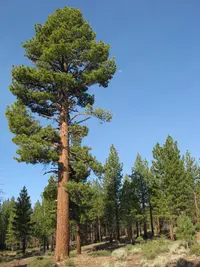
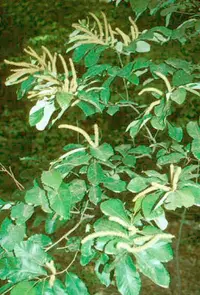
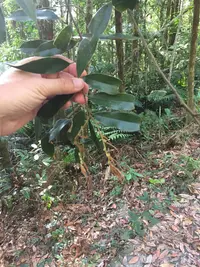
Castanopsis fargesii is an evergreen tree in the beech family, valued mainly as a landscape and timber species rather than a houseplant. It typically forms a medium to large tree with a dense, rounded crown and leathery, glossy green leaves that stay on the tree year-round.

This species is native to subtropical and warm-temperate forests in China, where it grows on hillsides and mountain slopes. It prefers mild, humid climates, well-drained but moisture-retentive soils, and protection from severe frost. For anyone looking to grow Castanopsis fargesii, understanding how to care for Castanopsis fargesii outdoors in suitable climates is important for long-term success.

Main Plant Requirements

Care Difficulty

Moderate Care

Light Preference

Partial Shade

Water Requirements

Moderate Water

Temperature Preference

Warm Climate

Hardiness Zone

8–10

Soil Texture

Loamy, Clay, Organic-rich

Soil pH

Acidic (5.5–6.5), Slightly acidic (6.5–7.0)

Soil Drainage

Moist but well-drained

Fertilization

Minimal (feed rarely)

Get Personalized Care Plan

Scan your plant to receive care tips personalized for your specific plant

Available on iOS and Android

How to Care for the Castanopsis fargesii

This evergreen tree prefers bright outdoor conditions with some protection from harsh extremes.

  • Provide 4–6 hours of direct morning sun with light shade or dappled light through the afternoon, especially in hotter regions.
  • Young Castanopsis fargesii benefit from partial shade; strong summer sun from the west can scorch new leaves and dry soils too quickly.
  • In denser shade the crown becomes sparse and growth slows, so site trees where nearby structures or taller trees cast only light, shifting shade.

This species prefers steadily moist but not waterlogged soil, especially while young and establishing.

  • Before watering, let the top 3–5 cm of soil lose surface sheen but stay slightly cool and damp when pressed between fingers.
  • In spring and summer, increase watering during dry spells and deep soak the root zone, then reduce frequency in fall and winter as growth slows.
  • Prolonged soggy soil causes leaf yellowing and root rot, while dull, curling leaves and dry, cracking soil surface indicate underwatering and need for a slow, deep drink.

This hardy evergreen tree thrives in mild, temperate climates without extreme cold or heat swings.

  • Optimal growth occurs around 60–80°F (16–27°C), with steady conditions promoting dense foliage and consistent shoot extension.
  • Mature trees usually tolerate brief dips to about 10–15°F (-12 to -9°C), but young plants are more vulnerable and benefit from shelter during hard frosts.
  • Extended exposure above 90°F (32°C), especially with hot dry winds, can stress foliage, so mulch the root zone and ensure good soil moisture during heat waves.

This species prefers moderately moist air but adapts to a wide range of outdoor humidity.

  • Aim for 40–60% humidity in sheltered plantings, especially for young trees.
  • Dry, hot winds can cause leaf edge browning and tip dieback, indicating humidity stress rather than drought alone.
  • Use windbreaks, nearby shrubs, or light misting during heatwaves to slightly raise local humidity around foliage.

This tree grows best in deep, moist, well‑aerated, slightly acidic mineral soil.

  • Use a loamy mix rich in organic matter that holds moisture but does not stay waterlogged, such as garden loam blended with compost and fine bark.
  • Ensure strong drainage; avoid compacted clay and low spots where water stands after rain, which promote root rot.
  • Target a soil pH around 5.0–6.5; in alkaline soils, incorporate acidic organic material like pine bark or leaf mold over several seasons.
  • Improve aeration on heavy sites by double‑digging the planting area and mixing in coarse sand or fine gravel along with organic matter.

This species is only suitable for short‑term or juvenile container growing due to its eventual tree size.

  • Choose a tall, heavy container to provide root depth and prevent the developing tree from tipping in strong winds.
  • Use a sharply draining, bark‑based mix so the root zone dries moderately fast between deep waterings.
  • Position the pot where it cannot overheat on all sides, such as against a north or east wall, to reduce root stress in summer.

This evergreen tree grows steadily in average garden soil and benefits from modest feeding during the active season.

  • Apply a balanced slow-release fertilizer (for example 10-10-10) at half label rate once in early spring to support Castanopsis fargesii growth.
  • In richer soils, use well-rotted compost as a light surface dressing instead of granular fertilizer.
  • Avoid midsummer overfeeding; excessive nitrogen encourages weak, sappy shoots more prone to pests and wind damage.
  • Stop feeding by late summer to allow new growth to harden before winter and avoid any fertilization during winter dormancy.

This species needs only light structural pruning to maintain a sound framework and clearance around paths or buildings.

  • Carry out main pruning in late winter to early spring before active growth begins.
  • Remove dead, diseased, crossing, or storm-damaged branches first to keep Castanopsis fargesii healthy.
  • Thin congested interior shoots to improve light penetration and airflow, preserving the natural form.
  • Use sharp bypass pruners or a clean pruning saw, making smooth cuts just outside the branch collar.

This tree is usually grown in the ground, so focus on careful transplanting rather than frequent container repotting.

  • Plan major transplanting for late winter to early spring while the tree is still dormant and soil is workable.
  • Look for circling roots, unstable anchoring, or stalled growth in containers as signs it has outgrown its pot.
  • Move Castanopsis fargesii into a hole or container only slightly larger than the root ball, backfilling with similar-textured soil.
  • Water thoroughly after planting, mulch the root zone, and keep soil evenly moist for the first season to limit transplant shock.

Seed is the standard propagation method, and success depends on fresh, correctly handled material and patience.

  • Collect ripe nuts in autumn and sow as soon as possible, since viability declines in storage.
  • Use a deep tray or pots with free-draining, slightly acidic medium and keep evenly moist but not waterlogged.
  • Provide cool stratification at 35–45°F for 2–4 months if natural winter conditions are not available.
  • Move germinated Castanopsis fargesii seedlings into individual pots once they produce several true leaves and handle carefully to protect the taproot.

Mature trees are moderately cold hardy, but young plants benefit from simple winter protection in colder regions.

  • Tolerates light to moderate frost once established, but young specimens are more sensitive to prolonged freezes.
  • Apply a 5–8 cm layer of organic mulch around the root zone, keeping it clear of the trunk to insulate soil.
  • For container plants, shift pots to a sheltered, unheated but frost-free spot such as an attached garage or cold frame.
  • In very exposed sites, use a breathable fabric wrap around young stems to reduce desiccation and bark damage.

Care Tips

Shelterbelt placement

Plant young trees in a position with some wind protection, such as the lee side of a building or existing hedge, to reduce leaf scorch and wind rock while roots establish in the first 2–3 years.

Root-zone mulching

Maintain a 5–8 cm layer of woody mulch or leaf mold extending at least to the drip line to keep roots cool, conserve moisture, and gradually improve the slightly acidic soil this species prefers, keeping mulch a few cm away from the trunk.

Establishment staking

Stake only in very exposed sites, using 1–2 low, flexible ties that allow slight trunk movement, and remove the stakes after 2–3 years so the tree develops a strong taper and stable root system.

Canopy training

In the first 5–7 years, selectively remove only competing leaders and steep, narrow-angled branches to create a single strong leader and wide branch angles that will better support the heavy, evergreen canopy.

Leaf and nut hygiene

Rake and remove fallen leaves and nuts annually, especially in humid regions, to reduce habitat for fungal diseases and nut-feeding insects, which supports long-term health when caring for Castanopsis fargesii.

Common Pests and Diseases

Chestnut gall wasp

This pest forms small, swollen galls on young shoots and leaves, which can stunt growth and reduce new shoot formation. Symptoms include clustered, deformed buds and twig dieback on heavily infested branches.

Solution

Prune and destroy galled twigs during winter dormancy or before adult wasps emerge, and avoid moving infested plant material to new sites. In larger plantings, encourage natural enemies by maintaining plant diversity nearby and, where available, coordinate with local forestry or extension services about biological control releases.

Bark borers

These insects tunnel under the bark, creating galleries that disrupt sap flow and weaken branches or main stems. Symptoms include small entry holes, frass (wood dust) on the bark, and gradual dieback of affected branches.

Solution

Promptly remove and destroy severely infested branches to limit spread and reduce breeding sites. Keep the tree vigorous through proper watering and mulching, and avoid trunk injuries; in high-value specimens, a certified arborist can use targeted trunk or soil treatments if borers persist.

Leaf spot

This disease causes scattered brown to dark olive lesions on leaves, often with a yellow halo, leading to premature leaf drop when severe. Symptoms include thinning foliage and reduced vigor, especially in damp, shaded conditions.

Solution

Rake and remove fallen leaves to lower the amount of infectious material, and improve air circulation by selective pruning so foliage dries faster after rain. If leaf spot recurs and causes significant defoliation, a registered copper or broad-spectrum fungicide applied at leaf flush and during wet periods can help protect new growth.

Powdery mildew

This disease produces a white to gray powdery coating on young leaves and shoots, which can cause leaf distortion and reduced growth. Symptoms include dull, checked, or slightly curled foliage, especially in shaded or crowded canopies.

Solution

Thin inner branches to increase light and airflow, avoid overhead irrigation, and remove heavily affected shoots. For recurring problems, apply a suitable fungicide such as sulfur or potassium bicarbonate during early infection periods, following label directions closely as part of broader Castanopsis fargesii care instructions.

Scale insects

These insects attach to twigs and leaves as small, domed or shell-like bumps that suck sap, leading to yellowing foliage, honeydew deposits, and sometimes sooty mold growth. This pest may cause gradual decline of stressed trees if populations build up unchecked.

Solution

Scrape or prune out heavily infested twigs and wash reachable parts of the canopy with a strong, but not leaf-damaging, water spray to dislodge crawlers. Horticultural oil applied during the dormant or crawler stage helps suppress populations while preserving many beneficial insects, especially when combined with good tree vigor and avoidance of broad-spectrum insecticides.

Interesting Facts

Evergreen chestnut relative

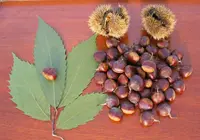
This species is an evergreen broadleaf tree in the beech family (Fagaceae) and is closely related to true chestnuts (Castanea), producing similar spiny cupules that contain nut-like seeds, though they are typically smaller and less commercially important.

Key subtropical canopy tree

In its native range in central and southern China, it often forms a major component of subtropical evergreen broadleaf forests, contributing significantly to canopy structure, leaf litter production, and habitat complexity for insects, birds, and small mammals.

Shade-tolerant regeneration

Seedlings and saplings of this species are relatively shade-tolerant and can persist under a closed canopy, then accelerate growth when gaps open, which helps maintain its presence across multiple generations in stable forest stands.

Botan icon

Did you know?

Castanopsis fargesii has been widely used in China for ecological restoration and reforestation of degraded subtropical hillsides and mountain slopes, because its dense root system and persistent evergreen canopy help stabilize soil and reduce erosion over long periods.

FAQs about Castanopsis fargesii

This species is an evergreen tree, retaining its leathery leaves year-round rather than dropping them in winter. Some foliage may shed gradually, especially older leaves, but the canopy generally stays full and green in suitable climates.

Grow Healthy Plants with Botan Care

Keep your plants happy and healthy with plant identification, disease detection, and easy care guidance.

Botan plant care app — identify plants on mobile

Explore More Plants