calloose grape Care (Vitis shuttleworthii)

calloose grape

About calloose grape

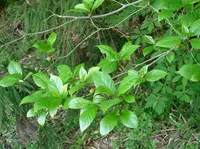
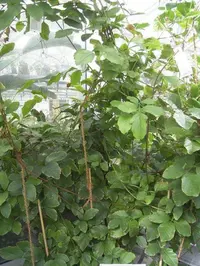
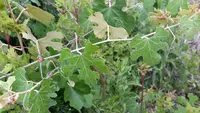
Calloose grape, Vitis shuttleworthii, is a wild grapevine native to the southeastern United States, especially Florida and nearby regions. It is a vigorous, woody climber that uses tendrils to cling to fences, trees, or trellises and can form dense leafy screens.

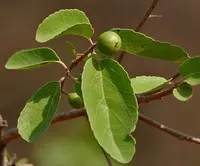
The plant carries small clusters of dark grapes that attract birds and other wildlife. Its tolerance of heat, humidity, and sandy or poor soils makes it a resilient choice for naturalistic plantings and habitat gardens.

Gardeners who want to care for calloose grape should provide a sturdy support, room to spread, and moderately moist, well-drained soil in a sunny to lightly shaded spot.

Main Plant Requirements

Care Difficulty

Moderate Care

Light Preference

Full Sun

Water Requirements

Moderate Water

Temperature Preference

Warm Climate

Hardiness Zone

8–11

Soil Texture

Sandy, Loamy, Organic-rich

Soil pH

Acidic (5.5–6.5), Slightly acidic (6.5–7.0)

Soil Drainage

Moist but well-drained

Fertilization

Minimal (feed rarely)

Get Personalized Care Plan

Scan your plant to receive care tips personalized for your specific plant

Available on iOS and Android

How to Care for the calloose grape

This heat-tolerant native grape thrives in strong outdoor light with some protection from harsh extremes.

  • Provide 6–8 hours of direct sun daily; morning sun with light afternoon shade reduces leaf scorch in hot climates.
  • Plant calloose grape where it receives full sun in winter and early spring to support flowering and fruiting on vigorous canes.
  • In very hot regions, give dappled or filtered light after 2–3 p.m. to limit heat stress and sunburn on young foliage.

This species prefers consistently moist but not saturated soil once established in the landscape.

  • Water when the top 3–5 cm of soil feels dry; during hot, dry spells this may mean deep soaking 1–2 times a week in the ground.
  • Use well-drained, loamy soil so excess water moves away quickly; Vitis shuttleworthii declines in heavy, waterlogged clay or standing water.
  • Watch foliage for cues: yellowing, soft leaves and cracked bark suggest overwatering, while wilting, crisp edges, and slow growth indicate underwatering.

This grape species is adapted to warm climates with mild winters and hot summers.

  • Active growth occurs around 70–90°F (21–32°C); flowering and fruit set are most reliable within this range when soil moisture is stable.
  • The vines tolerate brief drops near 20–25°F (-6 to -4°C) once mature, but young plants benefit from protection during hard frosts.
  • In summer, vines handle 95–100°F (35–38°C) if roots are mulched and watered; prolonged freezes or icy winds can damage buds and canes.

This grape species handles a wide humidity range but grows best with moderately moist air.

  • Target 40–60% humidity, which typical outdoor conditions in many regions already provide.
  • It tolerates short dry spells in the air, but prolonged very low humidity with hot wind can scorch leaf edges and cause rolling.
  • In exposed, arid sites, shelter vines with windbreaks and use organic mulch around the base to reduce transpiration-driven moisture stress.

Vitis shuttleworthii prefers well-aerated, freely draining mineral soils that do not stay waterlogged.

  • Use loamy or sandy soil with 20–30% organic matter from compost or well-rotted manure to support steady growth.
  • Ensure rapid drainage by avoiding heavy clay; if clay is present, incorporate coarse sand and fine bark to open the structure.
  • Aim for slightly acidic to neutral pH around 6.0–7.0, as strongly alkaline conditions may reduce nutrient availability and vigor.
  • Avoid compacted or constantly wet sites, and periodically loosen the top 5–8 cm to maintain aeration around feeder roots.

This species can be grown in containers if the pot is large and stable enough to support vigorous climbing growth.

  • Choose a deep, heavy container that resists tipping once the vine is trained on a trellis or other support structure.
  • Select a potting mix that drains faster than garden soil yet retains some moisture, such as a blend of compost, pine bark, and coarse perlite.
  • Leave several centimeters between soil surface and rim to allow for efficient top-watering without overflow on hard surfaces.

This native grape needs modest feeding in most garden soils, especially when young or grown in containers.

  • Use a balanced granular or slow-release fertilizer (around 10-10-10) or well-rotted compost at the start of spring growth.
  • Feed outdoor vines every 6–8 weeks during the growing season, reducing frequency on very vigorous plants.
  • Apply at half the label strength for container plants to avoid salt buildup in the potting mix.
  • Stop feeding calloose grape in late summer to allow wood to harden before winter and avoid soft, frost-tender growth.

Thoughtful pruning keeps Vitis shuttleworthii productive, manageable, and healthy.

  • Time main pruning for late winter, before buds swell, to shape the vine and manage size.
  • Remove dead, diseased, or rubbing canes first, then thin crowded shoots to improve airflow and light penetration.
  • Shorten long, overly vigorous canes to sturdy buds to direct energy into fruiting wood and reduce tangling.
  • Use clean, sharp bypass pruners and make angled cuts just above outward-facing buds to encourage stable framework growth.

This species is usually grown in the ground, so care focuses on correct transplanting rather than frequent repotting.

  • Transplant in late winter or early spring while dormant, avoiding hot, dry weather for new plantings.
  • Look for roots circling the container, water running straight through, or stalled growth as signs a potted vine needs a larger pot or planting out.
  • Move up only 1–2 pot sizes or set in a hole twice as wide as the root ball, loosening encircling roots gently by hand.
  • Water thoroughly after planting, apply 5–8 cm of mulch over the root zone, and shade the vine lightly for 1–2 weeks to reduce transplant shock.

Vitis shuttleworthii is commonly propagated from cuttings or layers to maintain desirable traits.

  • Take hardwood cuttings in late winter, 15–25 cm long, with at least 3 buds, and plant in a well-drained, sandy medium.
  • Use rooting hormone on the basal end and keep the medium slightly moist at 65–75°F for reliable rooting.
  • For simple layering, bend a flexible cane to the soil in spring, wound a small section, and pin it under the surface until roots form.
  • Sow cleaned seeds in fall or after cold stratification, using a free-draining mix and consistent, light moisture to encourage germination.

This grape is fairly cold hardy in its native range and usually needs minimal winter care in the ground.

  • In regions near its natural distribution, mature vines tolerate typical light frosts without extra protection.
  • Apply a 5–8 cm mulch layer around the root zone in late fall to moderate soil temperature and conserve moisture.
  • In colder zones or exposed sites, wrap young trunks loosely with breathable material to reduce bark injury from freeze–thaw cycles.
  • Move container-grown plants into an unheated garage or sheltered spot where temperatures stay above about 20°F to prevent root damage.

Care Tips

Early trellis training

Install a sturdy wire or trellis system in the first year and loosely tie new shoots with soft ties so vines grow in the desired direction and do not tangle or break in wind.

Selective shoot thinning

In late spring, remove weak, crowded, or downward-facing shoots by pinching or pruning at the base so the vine directs energy into a few strong canes and better fruiting wood.

Cluster load management

Once flower clusters are visible, thin out excess clusters on young or stressed vines to prevent overcropping and improve berry size and vine health.

Airflow around canopy

Maintain an open canopy by removing low, dense interior growth and training shoots along wires to reduce fungal issues common when growing calloose grape in humid climates.

Wildlife protection netting

Drape bird netting or wildlife mesh over the vine before berries start to color and secure it at the base so birds, raccoons, and other animals cannot strip the developing fruit.

Common Pests and Diseases

Grape leafhopper

This pest feeds on the underside of leaves, causing pale stippling, leaf yellowing, and reduced vigor in vines growing in full sun. Heavy infestations can lead to premature leaf drop and lower fruit quality.

Solution

Monitor the undersides of leaves regularly and hose foliage with a firm water spray to dislodge nymphs. If populations build, introduce or conserve natural predators such as lady beetles, and use a low-toxicity insecticidal soap or horticultural oil directed at the leaf undersides during cooler parts of the day.

Grape phylloxera

This insect forms galls on leaves and can feed on roots, which stresses vines, especially in sandy or poorly managed soils. Symptoms include blister-like swellings on leaves and general decline in heavily infested plants.

Solution

Prune and dispose of heavily galled leaves to slow spread and avoid moving infested soil or plant material. In areas with a history of phylloxera, maintain strong vine health with balanced watering and nutrition, and consider using grafted plants on resistant rootstocks when establishing new vines.

Pierce’s disease

This disease is caused by a xylem-inhabiting bacterium spread mainly by sharpshooter insects in warm climates. Symptoms include marginal leaf scorch, irregular leaf yellowing, cane dieback, and eventual vine decline or death.

Solution

Remove and destroy severely affected vines to reduce the bacterial reservoir and avoid planting new vines near known sharpshooter habitats such as dense riparian vegetation. Manage sharpshooter vectors with insect-excluding barriers where practical and keep vines well watered but not overwatered to reduce drought stress, which can worsen symptoms.

Grape downy mildew

This disease thrives in warm, humid weather and causes yellow, oil-like spots on upper leaf surfaces with white downy growth underneath. Severe infections can defoliate vines and reduce fruit set on clusters.

Solution

Improve air circulation by pruning for an open canopy and avoid overhead irrigation that wets foliage in the evening. Remove and discard infected leaves and use a labeled copper or other appropriate fungicide as a protective spray during extended wet or humid periods, following all product directions carefully.

Grape black rot

This fungal disease affects leaves, shoots, and fruit, producing brown spots on leaves and shriveled, mummified berries that remain on clusters. In humid regions it can significantly reduce yields on otherwise vigorous vines.

Solution

Collect and dispose of mummified fruit and infected prunings during and after the season to remove major sources of spores. Prune to increase light and airflow around clusters, and in regions with a history of black rot, apply a suitable fungicide preventively from early shoot growth through early fruit development according to label directions for Vitis shuttleworthii care.

Interesting Facts

Florida scrub specialist

This wild grape is native to central and southern Florida, where it naturally climbs through scrub, sandhill, and pine flatwoods communities on very sandy, well-drained soils.

High wildlife value

Its small, dark fruits and dense foliage provide food and cover for many native birds and mammals, so it plays a notable role in supporting local wildlife in its restricted range.

Heat and humidity adapted

This species has evolved in hot, humid, and often drought-prone habitats, so it tolerates intense summer heat, high humidity, and short dry spells better than many temperate grape relatives.

Botan icon

Did you know?

Vitis shuttleworthii is considered endemic to Florida, meaning it occurs naturally only in that region and nowhere else in the wild, which gives it special conservation and habitat importance within the state.

FAQs about calloose grape

This species is a vigorous native vine that can spread widely by long shoots and tendrils. It is not rhizomatous, but needs space and regular pruning to prevent it from overtaking nearby shrubs, fences, or small trees.

Grow Healthy Plants with Botan Care

Keep your plants happy and healthy with plant identification, disease detection, and easy care guidance.

Botan plant care app — identify plants on mobile

Explore More Plants