Controlled root crowding
Use a slightly undersized, heavy pot and delay repotting until roots lightly circle the pot, which encourages a thicker caudex and more compact growth rather than fast, weak shoot extension.

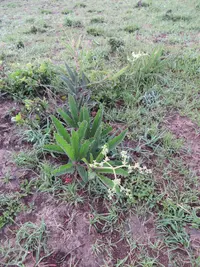
Cyphostemma serpens is a small caudiciform succulent vine, valued for its swollen, textured base and trailing stems. It is part of the grape family, Vitaceae, but is grown mainly as an ornamental curiosity, not for fruit. Native to arid, rocky regions of southern Africa, it has thickened roots and stems that store water and small leaves that may drop in dry or cool conditions. Growth is usually slow, which suits container culture and makes it popular among collectors with limited space. It prefers bright light, excellent drainage, and careful watering. Understanding how to care for Cyphostemma serpens is important because it dislikes prolonged wet soil and sudden changes in temperature or light.

Care Difficulty
Moderate Care

Light Preference
Full Sun

Water Requirements
Low Water

Temperature Preference
Warm Climate

Hardiness Zone
10–11

Soil Texture
Sandy, Rocky, Loamy

Soil pH
Slightly acidic (6.5–7.0), Neutral (7.0)

Soil Drainage
Well-drained

Fertilization
Minimal (feed rarely)
Scan your plant to receive care tips personalized for your specific plant
Available on iOS and Android
Provide bright, dry conditions that mimic an open, rocky habitat.
Watering should protect the caudex from rot while preventing prolonged drought stress.
Maintain warm, dry conditions with strict protection from frost.
This caudiciform vine prefers relatively dry indoor air and does not need elevated humidity.
Cyphostemma serpens needs a very fast-draining, mineral-rich mix to protect its caudex from moisture-related rot.
This species adapts well to container culture, which helps control moisture around its swollen caudex.
Feeding should be light, as this succulent vine stores nutrients in its caudex and thick roots.
Pruning is mainly used to manage size and remove weak growth rather than to force heavy reshaping.
Repotting is infrequent, as the plant prefers slightly tight containers and is sensitive to root disturbance.
Propagation is possible but slow, so it is usually done in small numbers for established collections.
Winter management focuses on keeping the caudex dry and above freezing temperatures.

Plant Health Check
Not sure what's wrong with your plant? Check your plant's health inside the app.
This species is native to rocky habitats in Namibia, where its low, creeping habit and swollen stems help it visually blend into stones and gravel, reducing herbivore attention.
Although it looks like a typical succulent, this plant belongs to the grape family (Vitaceae), sharing ancestry with Vitis species while evolving thick, water-storing tissues adapted to arid conditions.
It forms a partially buried, swollen caudex (a woody, water-storing stem base) that sends out prostrate, trailing shoots, an adaptation that helps buffer it against heat and irregular rainfall.
This species does best outdoors in bright, dry, frost-free conditions that mimic its native rocky habitats. Indoors it survives only with strong light, careful watering, and excellent drainage, so outdoor cultivation is usually more robust and vigorous.
Keep your plants happy and healthy with plant identification, disease detection, and easy care guidance.