

Encourage Caudex Form
Use a wide, shallow pot and gradually raise the plant slightly higher at each repot so the swollen base is exposed, which promotes a more pronounced caudex and better air flow around the neck of the plant.

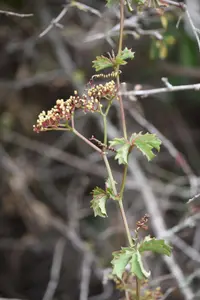
Potato grape, Cyphostemma quinatum, is a semi-succulent vine from arid and semi-arid regions of eastern Africa. It develops a swollen, woody base called a caudex that stores water. Stems and leaves grow from this base during the growing season, giving it an unusual, sculptural look that appeals to collectors. In nature it usually climbs over rocks or shrubs, but in pots it is often grown as a compact specimen. The plant prefers bright light, good drainage, and careful watering, which makes it better suited to patient growers than complete beginners. With a basic understanding of how to care for Potato Grape, it can be a long-lived, characterful plant indoors or in a warm greenhouse.

Care Difficulty
Moderate Care

Light Preference
Partial Sun

Water Requirements
Low Water

Temperature Preference
Warm Climate

Hardiness Zone
10–11

Soil Texture
Sandy, Loamy, Rocky

Soil pH
Slightly acidic (6.5–7.0), Neutral (7.0)

Soil Drainage
Well-drained

Fertilization
Minimal (feed rarely)
Scan your plant to receive care tips personalized for your specific plant
Available on iOS and Android
Cyphostemma quinatum benefits from bright, warm conditions that mimic its native habitat.
Cyphostemma quinatum prefers deep but infrequent watering with time for the soil to dry between soakings.
This species prefers warm, dry air and does not tolerate frost.
This species tolerates typical indoor humidity but grows best with slightly elevated moisture in the air.
This succulent vine needs very fast-draining, mineral-lean soil to protect its swollen roots and caudex from rot.
This species is well suited to container growing due to its compact caudex and controllable vine growth.
Cyphostemma quinatum benefits from light, measured feeding during its active growing season.
Cyphostemma quinatum responds well to modest structural pruning that maintains a strong framework.
Container-grown plants need infrequent but careful repotting to protect the sensitive caudex and roots.
Propagation of Cyphostemma quinatum is possible but slow, so patience and stable conditions are important.
This species is not frost hardy and needs thoughtful winter care in most temperate climates.

Plant Health Check
Not sure what's wrong with your plant? Check your plant's health inside the app.
This species forms a conspicuously thickened, bottle-like caudex that stores water, an adaptation to the strongly seasonal, often drought-prone habitats of eastern Africa.
The plant is deciduous and drops its compound leaves during the dry season, reducing water loss and protecting the caudex from stress until rains return.
In the wild, this species often anchors itself in rock crevices or on rocky slopes, using its succulent tissues and strong root system to cope with shallow, fast-draining substrates and intense sun exposure.
Yellowing leaves usually come from excess moisture around the roots, poor drainage, or cold stress. Check for a compacted or constantly wet substrate, improve drainage, and reduce watering frequency, especially during its winter rest period.
Keep your plants happy and healthy with plant identification, disease detection, and easy care guidance.

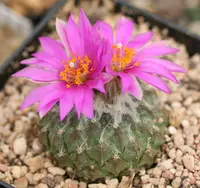
Pelecyphora strobiliformis
Pelecyphora strobiliformis
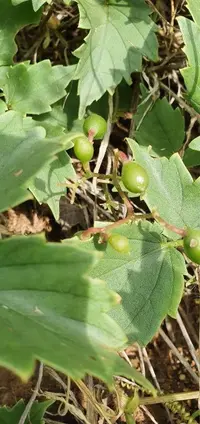
Cyphostemma adenocaule
Cyphostemma adenocaule
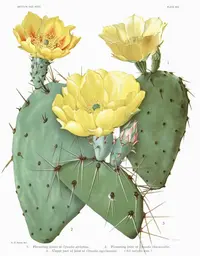
border pricklypear
Opuntia atrispina
limber honeysuckle
Lonicera dioica
arroyo fameflower
Talinopsis frutescens
guarana
Paullinia cupana
Persian Ivy
Hedera colchica 'Dentata Variegata'
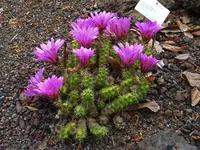
Berlandier's hedgehog cactus
Echinocereus berlandieri