Caudex sun rotation
Rotate the pot by 90° every 2–3 weeks during active growth so the caudex swells evenly and does not lean or flatten on one side.

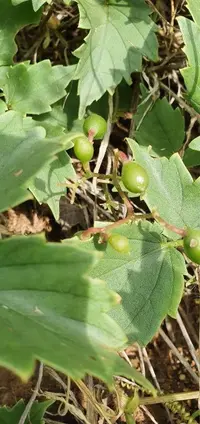
Cyphostemma adenocaule is a succulent caudiciform vine, grown mainly for its swollen, sculptural base and sparse climbing stems. It belongs to the grape family and stores water in its thickened trunk-like caudex.
In habitat, it occurs in arid and semi-arid regions of Africa, often in rocky or well-drained sites. The plant produces fleshy leaves seasonally and can go dormant, shedding foliage during dry or cool periods.
It is moderately challenging for beginners, mainly because it dislikes overwatering and cold, stagnant conditions. Understanding how to care for Cyphostemma adenocaule usually involves providing bright light, excellent drainage, and measured, infrequent watering.

Care Difficulty
Moderate Care

Light Preference
Full Sun

Water Requirements
Low Water

Temperature Preference
Tropical / Frost Sensitive

Hardiness Zone
10–12

Soil Texture
Sandy, Loamy, Rocky

Soil pH
Slightly acidic (6.5–7.0), Neutral (7.0)

Soil Drainage
Well-drained

Fertilization
Minimal (feed rarely)
Scan your plant to receive care tips personalized for your specific plant
Available on iOS and Android
This drought-adapted caudiciform vine needs strong light to develop a compact, healthy caudex.
Watering should respect this species’ succulent caudex and strong drought tolerance.
This species prefers warm, dry conditions and is highly sensitive to frost.
This caudiciform succulent tolerates typical indoor humidity and rarely needs special humidity control.
Cyphostemma adenocaule needs a very fast-draining, mineral-rich medium to prevent caudex and root rot.
This species is well suited to container growing when the pot supports its heavy caudex and fast drainage.
This caudiciform succulent benefits from modest feeding during active growth but is sensitive to excess nutrients.
This species needs only light, purposeful pruning to maintain a compact, manageable framework.
This caudiciform prefers a stable pot with minimal disturbance, so repot only when clearly necessary.
This plant is usually propagated by seeds or semi-ripe cuttings under warm, bright, and dry-leaning conditions.
This species is not frost hardy and needs careful handling in regions with cold winters.

Plant Health Check
Not sure what's wrong with your plant? Check your plant's health inside the app.
This species forms a large underground tuber-like caudex that stores water and carbohydrates, allowing the plant to survive long dry seasons in savanna and rocky habitats.
Although it belongs to the grape family (Vitaceae), it combines a semi-succulent, often scrambling vine with thick, fleshy stems and leaves, a growth form not typical of most grape relatives.
Young leaves often emerge with a distinct coppery or reddish tint before maturing to green, a coloration that can help protect tender tissues from intense sunlight in its native range.

In some parts of tropical Africa, the starchy underground caudex of Cyphostemma adenocaule is traditionally used as an emergency famine food, eaten only in times of severe scarcity due to its harsh taste and the labor required to process it.
This species generally performs better outdoors in warm, dry climates where it receives strong light and good air movement. Indoors it survives, but growth is slower and rot risk is higher without very bright light and careful watering.
Keep your plants happy and healthy with plant identification, disease detection, and easy care guidance.