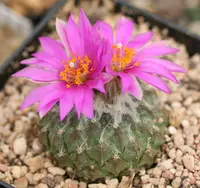
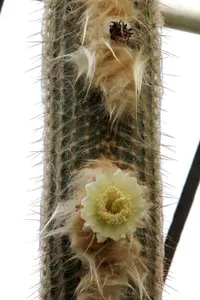
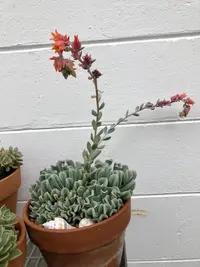
desert savior Care (Echeveria strictiflora)

desert savior

About desert savior

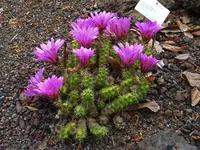
Desert savior, Echeveria strictiflora, is a compact rosette-forming succulent from arid regions of northern Mexico and the southern United States. It is part of the Crassulaceae family, known for water-storing leaves.

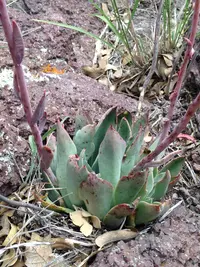
This species typically forms tight rosettes of pointed, often glaucous or bluish-green leaves that may flush pink or red at the tips in strong light. Plants stay relatively small and can slowly form clusters over time.

Echeveria strictiflora suits bright, dry environments and is considered relatively easy for growers who provide sharp drainage and avoid overwatering. Understanding how to care for desert savior mainly involves giving it strong light, fast-draining soil, and careful watering habits.

Main Plant Requirements

Care Difficulty

Moderate Care

Light Preference

Full Sun

Water Requirements

Low Water

Temperature Preference

Tropical / Frost Sensitive

Hardiness Zone

9–11

Soil Texture

Sandy, Loamy, Rocky

Soil pH

Slightly acidic (6.5–7.0), Neutral (7.0)

Soil Drainage

Well-drained

Fertilization

Minimal (feed rarely)

Get Personalized Care Plan

Scan your plant to receive care tips personalized for your specific plant

Available on iOS and Android

How to Care for the desert savior

Echeveria strictiflora prefers strong light that mimics its native desert exposure.

  • Provide 6–8 hours of direct sun, ideally with bright morning sun and light afternoon shade, especially in hot, dry climates.
  • Plant in an open, unshaded spot; partial shade (3–4 hours direct sun) is tolerated but can cause stretching and dull rosette color.
  • Introduce desert savior to stronger sun over 7–10 days to avoid leaf scorch, especially after cloudy periods or indoor overwintering.

This succulent stores water in its leaves and needs thorough but infrequent watering.

  • Allow soil to dry completely, at least the top 4–6 cm, before watering; use a deep soak, then drain fully so no water stands around the roots.
  • In spring and summer, expect more frequent watering during hot, dry spells; in fall and winter, reduce amounts sharply as growth slows.
  • Watch for soft, translucent, or blackening lower leaves as signs of overwatering, and thin, wrinkled foliage as an indicator that Echeveria strictiflora is too dry.

Stable warm to hot conditions support compact growth and healthy foliage.

  • Aim for 65–85°F (18–29°C) during active growth; short spikes up to 95°F (35°C) are tolerated if soil drains well and airflow is good.
  • Protect from frost; sustained temperatures below 30°F (−1°C) can damage tissue, and repeated freezing may kill the plant.
  • In regions with cold winters, grow in a pot outdoors for summer and move to a bright, cool, frost-free spot at 40–55°F (4–13°C) for winter rest.

Humidity is rarely a concern for this species, which thrives in dry indoor air.

  • Aim for 20–40% relative humidity; typical heated or air-conditioned homes fall in this range.
  • Desert savior tolerates very dry air, but persistent humidity above 60% increases risk of rot and fungal spots.
  • If air is humid, increase air movement with a small fan and keep leaves dry to prevent moisture stress.

This species needs a very fast-draining, mineral-heavy substrate to prevent root and stem rot.

  • Use a gritty mix of roughly 50–70% inorganic material such as pumice, coarse perlite, or 2–4 mm gravel blended with 30–50% cactus potting mix.
  • Target a slightly acidic to neutral pH around 6.0–7.0, which most commercial cactus mixes provide without adjustment.
  • Improve aeration by avoiding fine peat-heavy mixes that compact; each handful of soil should fall apart easily when squeezed and released.
  • Avoid water-retentive ingredients like clay, unamended peat, or dense compost layers, which trap moisture around the crown of Echeveria strictiflora.

This species is very suitable for container growing, especially in dry, bright locations.

  • Choose a shallow but wide pot to match its fibrous, surface-leaning roots and keep the rosette from sitting in a deep, wet column of mix.
  • Use unglazed terracotta if extra evaporation is needed, as the porous walls help the substrate dry faster between waterings.
  • Ensure fast removal of excess water by using a single drainage hole at least 1 cm wide, kept clear of saucer-standing water.

This desert succulent benefits from light feeding during active growth but does not need heavy fertilization.

  • Use a balanced liquid fertilizer (around 10-10-10) diluted to 25–50% strength for Echeveria strictiflora in spring and summer.
  • Apply every 4–6 weeks only when the plant is producing new leaves in bright light.
  • Skip feeding in winter dormancy and during very low light to prevent weak, stretched growth.
  • Avoid compost-heavy mixes; instead use low-organic, gritty soil plus light feeding as the main nutrient source when caring for desert savior.

Pruning needs are minimal and focus on keeping the rosette clean and compact.

  • Best time to prune Echeveria strictiflora is in spring or early summer during active growth.
  • Remove dead, dried, or damaged leaves at the base using clean fingers or small sterilized scissors.
  • Trim spent flower stalks at the base after blooming to direct energy back to the rosette.
  • Clearing crowded, shriveled lower leaves improves airflow, reduces rot risk, and maintains a neat shape.

This species grows slowly and only needs infrequent repotting or transplanting.

  • Repot Echeveria strictiflora every 2–3 years or when roots circle the pot, drainage slows, or growth stalls.
  • Choose late spring as the preferred time, when new growth starts and stress recovery is fastest.
  • Use a slightly larger pot with a very gritty, fast-draining cactus mix to limit root rot risk.
  • Gently loosen circling roots, keep the root ball mostly intact, and water lightly after repotting to reduce shock.

This succulent is commonly propagated from offsets and leaf cuttings under warm, dry conditions.

  • Take offsets or healthy leaves in late spring to summer when Echeveria strictiflora is actively growing.
  • Allow cut surfaces to callus for 1–3 days before placing on barely moist, gritty mix.
  • Provide bright, indirect light, warm temperatures around 70–80°F, and good air movement for rooting.
  • Sow seeds on the surface of sterile, fine mix and keep slightly moist and warm for slow, even germination.

Winter care focuses on avoiding frost damage and excess moisture around the roots.

  • This plant is frost sensitive; aim to keep temperatures above 35–40°F for safety.
  • In cold regions, move container plants indoors to a bright, cool windowsill before the first hard frost.
  • Keep soil much drier in winter, watering only when the mix is completely dry to the bottom.
  • Outdoors in mild climates, use a very gritty soil and a rain shelter to prevent cold, saturated conditions.

Care Tips

Offset management

Remove and replant offsets once they reach about 2–3 cm across so the main rosette does not become crowded and can maintain its compact form.

Targeted grooming

Use long tweezers or soft-tipped tongs to remove dead leaves from the base of the rosette every few weeks to reduce hiding spots for mealybugs and fungal spores.

Controlled stress coloring

For stronger leaf coloration, gradually increase light over 1–2 weeks and slightly reduce water frequency, but stop increasing stress as soon as leaf tips start to shrivel or develop dry patches.

Summer rain protection

In rainy periods, move container plants under a clear overhang or use a simple cold frame so rosettes dry quickly and water does not sit in the leaf cups.

Winter light boost

In winter, rotate the pot 1–2 times per month and, if natural light is weak, add a small LED grow light placed 20–30 cm above the plant to prevent it from stretching while growing desert savior indoors.

Common Pests and Diseases

Mealybugs

This pest hides in leaf axils and between tightly packed rosette leaves, sucking sap and causing distortion and sticky honeydew. Symptoms include white cottony clumps, slow growth, and sometimes sooty mold growing on the honeydew.

Solution

Isolate the plant, then dab visible insects with cotton swabs dipped in 70% isopropyl alcohol, taking care to reach deep between leaves. Follow up with a thorough spray of insecticidal soap or a light horticultural oil every 7–10 days for several cycles, and reduce excess nitrogen fertilization that encourages soft, mealybug-prone growth.

Aphids

These insects often cluster on young rosette centers and flower stalks, sucking sap and causing curling, distortion, and sticky residue. Symptoms include misshapen new growth, sticky leaves, and sometimes ants tending the aphids for honeydew.

Solution

Rinse the plant under a firm stream of water to dislodge colonies, then treat remaining insects with insecticidal soap, ensuring full coverage of the rosette center and flower stems. Repeat weekly until populations decline, remove heavily infested flower stalks, and reduce nearby weed hosts that can harbor aphids near outdoor plantings when trying to grow Echeveria strictiflora.

Fungal leaf spots

This disease appears as small brown, tan, or black spots on leaves, often starting on lower or shaded leaves that stay damp, and can cause scarring or leaf drop. Symptoms include spotting that may have a darker margin and can slowly expand in humid or overcrowded conditions.

Solution

Remove and discard affected leaves, then improve airflow and keep water off the rosette by watering at the soil level in the morning so leaves dry quickly. If humidity is high or spotting spreads, apply a labeled copper or sulfur-based fungicide at the recommended interval and avoid crowding plants on shelves or in trays.

Soft bacterial rot

This disease causes localized, mushy, foul-smelling areas at the rosette base or between tightly packed leaves, often following mechanical damage or prolonged moisture. Symptoms include water-soaked, translucent tissue that collapses quickly and can spread through the crown.

Solution

Immediately cut away all soft, discolored tissue with a sterile knife, dust the wounds with dry sulfur or cinnamon, and allow the plant to dry in a warm, airy place with no overhead water. If the crown is mostly affected, save any firm, healthy leaves as cuttings, discard the infected core and soil, and replant only clean, dry material in fresh, fast-draining mix.

Spider mites

These pests can appear in hot, dry indoor setups, feeding on leaf surfaces and causing fine stippling, dull color, and eventual bronzing of the rosette. Symptoms include very fine webbing in the leaf crevices and between inner leaves when populations are high.

Solution

Rinse the plant thoroughly with lukewarm water, directing the spray into leaf crevices to remove mites and webbing, then allow the plant to dry in bright, indirect light. For persistent infestations, apply insecticidal soap or a light horticultural oil to both upper and lower leaf surfaces every 5–7 days for several cycles and avoid placing the plant too close to hot, dry air vents.

Interesting Facts

Trans-Pecos native rosettes

This species is naturally restricted to limestone and gypsum slopes in the Trans-Pecos region of western Texas and adjacent northeastern Mexico, where it forms solitary or few-headed rosettes rather than large clumps like many related echeverias.

Distinctively narrow leaves

The leaves are unusually narrow, stiff, and upright compared with most echeverias, which gives the rosette a slender, almost tubular appearance that inspired the name strictiflora, meaning with upright or erect floral parts.

Hummingbird-pollinated flowers

In habitat, its tall inflorescences bear tubular, reddish to pinkish flowers that are visited by hummingbirds, which act as primary pollinators by reaching into the tube for nectar and transferring pollen between plants.

FAQs about desert savior

Lack of flowering usually comes from insufficient light, too much nitrogen fertilizer, or a pot that is slightly too large. Cool, bright, dry winter conditions also help set buds. Flowers appear more reliably on mature, well-rested rosettes.

Grow Healthy Plants with Botan Care

Keep your plants happy and healthy with plant identification, disease detection, and easy care guidance.

Botan plant care app — identify plants on mobile

Explore More Plants