Pelecyphora strobiliformis Care

Pelecyphora strobiliformis

About Pelecyphora strobiliformis

Pelecyphora strobiliformis is a miniature, slow-growing cactus known for its pine-cone shaped stems covered with tight, overlapping tubercles instead of obvious ribs or spines. It stays very small and compact, which makes it suitable for windowsills and small collections.

This species is native to arid regions of northeastern Mexico, where it grows in rocky, well-drained soils with strong light and low rainfall. It is considered challenging for beginners because it is extremely slow, sensitive to excess moisture, and prone to rot if overwatered.

Those learning how to care for Pelecyphora strobiliformis should focus on bright light, careful watering, and a very gritty, fast-draining cactus mix.

Main Plant Requirements

Care Difficulty

Hard Care

Light Preference

Full Sun

Water Requirements

Low Water

Temperature Preference

Tropical / Frost Sensitive

Hardiness Zone

10–11

Soil Texture

Sandy, Rocky, Loamy

Soil pH

Slightly acidic (6.5–7.0), Neutral (7.0)

Soil Drainage

Well-drained

Fertilization

Minimal (feed rarely)

Get Personalized Care Plan

Scan your plant to receive care tips personalized for your specific plant

Available on iOS and Android

How to Care for the Pelecyphora strobiliformis

This small cactus thrives with bright, intense light that mimics its desert habitat.

  • Provide 6–8 hours of direct sun, ideally morning to early afternoon, with light afternoon shade in very hot, arid climates.
  • In mild or coastal climates, full sun all day suits Pelecyphora strobiliformis, but move plants into stronger light gradually to avoid sunburn.
  • In winter, maximize light with an unshaded south- or west-facing exposure; low light leads to elongation and pale, weak growth.

Watering should be infrequent and careful, allowing the plant to dry thoroughly between soakings.

  • Water only when the top 3–5 cm of soil are completely dry, then soak and let excess drain away fully.
  • Use a very fast-draining mineral mix; persistent dampness, a soft body, or yellowing at the base indicates overwatering and risk of rot.
  • Reduce watering drastically in winter dormancy, sometimes to once every 4–6 weeks, watching for slight wrinkling as a safer cue to water.

This species prefers warm, dry conditions with cool but not freezing winters.

  • Aim for 70–85°F (21–29°C) in the growing season, with good airflow to prevent heat buildup around the plant body.
  • Protect from temperatures below 40°F (4°C); brief drops to 35°F (2°C) may be tolerated if bone dry, but frost damages tissue.
  • In winter rest, cooler conditions around 45–55°F (7–13°C) and very dry soil support compact growth and better flowering in the next season.

This cactus tolerates low humidity and rarely needs special humidity management indoors.

This species needs a very fast-draining, mineral-rich substrate to prevent root rot.

  • Use a gritty mix of roughly 40% cactus potting mix, 30% coarse sand, and 30% pumice or small gravel.
  • Aim for slightly acidic to neutral pH around 6.0–7.0, avoiding strongly alkaline substrates that can lock up nutrients.
  • Ensure the mix feels loose and crumbly, not cohesive, so water passes through within seconds of watering.
  • Avoid peat-heavy or compacting mixes that hold moisture around the taproot for more than 1–2 days.

This species is well suited to container culture when the pot and substrate are chosen to prevent water retention.

  • Select a clay or unglazed ceramic pot to allow moisture to evaporate through the sides and reduce the risk of chronic wetness.
  • Choose a pot that is wider than deep to match the shallow root system and keep the growing point above splash zones.
  • Elevate the container slightly on pot feet or stones so drainage holes never sit in a saucer of leftover water.

This slow-growing cactus needs only light feeding under active growth.

  • Apply a very dilute balanced cactus fertilizer (around 1/4–1/2 strength, low-nitrogen NPK) in spring and early summer.
  • Feed Pelecyphora strobiliformis no more than once every 4–6 weeks during its growing season.
  • Avoid compost or heavy organic feeds that retain moisture and promote rot.
  • Stop fertilizing in late summer and do not feed during cool, low-light winter dormancy.

Pruning needs for this species are minimal and focused on plant health, not shaping.

  • Inspect in late spring or early summer and remove only dead, diseased, or rotting tissue.
  • Use a clean, sharp knife or scalpel, disinfected with alcohol, to make precise cuts.
  • Allow any cut surfaces to dry and callus in a warm, airy spot to reduce infection risk.
  • Avoid cosmetic shaping; pruning has little effect on size or form and mainly prevents spread of decay.

This cactus prefers infrequent disturbance and careful handling when a larger pot is needed.

  • Repot only when roots circle the pot, emerge from drainage holes, or growth slows despite proper light and watering.
  • Plan moves for late spring, using a shallow pot with excellent drainage and a very gritty cactus mix.
  • Unpot gently, loosen circling roots slightly, and keep the original root ball mostly intact to limit stress.
  • Replant at the same depth, keep the mix dry for 5–7 days, then resume light watering to support recovery.

Propagation of Pelecyphora strobiliformis is specialized and usually done from seed.

  • Sow fresh seed in late spring in a sterile, very gritty cactus mix with fine texture.
  • Provide bright, indirect light, 70–80°F warmth, and consistently slight surface moisture, not saturation.
  • Cover the tray with a clear lid or plastic to maintain humidity, venting often to limit fungal growth.
  • Expect slow germination and growth; seedlings may take years to reach a robust, transplantable size.

This cactus needs a cool, very dry winter rest to stay healthy and avoid rot.

  • Keep indoor plants around 45–55°F with maximum light and almost no water from late fall through winter.
  • Ensure the soil stays dry; occasional very light sips are used only if stems begin to shrivel severely.
  • Move outdoor containers indoors before frost, as this species is not reliably frost hardy.
  • Maintain good air circulation and avoid cold, damp, low-light corners that encourage fungal problems.

Care Tips

Deep pot choice

Use a deeper pot than the plant seems to need, with ample drainage holes, to accommodate the long taproot and reduce the risk of root deformation over time.

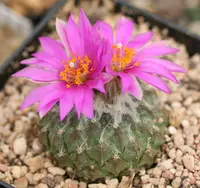
Topdressing with grit

Apply a 0.5–1 cm layer of coarse mineral grit or small rocks around the crown to keep the neck dry, stabilize the plant, and reduce fungus gnat breeding in the upper soil.

Controlled light acclimation

When moving the plant to stronger light, increase exposure gradually over 2–3 weeks using shade cloth or a sheer curtain to prevent epidermal scarring on the tubercles.

Winter rest management

During winter rest, keep the plant in a bright, cool, and very dry spot and avoid even small sips of water, which can trigger weak, etiolated growth and increase rot risk.

Inspection and rotation

Inspect the body closely every month for subtle wrinkling, soft spots, or discoloration, and rotate the pot 90° each time to maintain even growth when caring for Pelecyphora strobiliformis.

Common Pests and Diseases

Red spider mites

This pest often appears on stressed plants kept in hot, very dry conditions, leading to dull, speckled tissue and fine webbing between tubercles. Symptoms include slow decline, roughened skin, and eventual scarring of the stem surface.

Solution

Increase humidity slightly around the plant without wetting the body, and give a strong lukewarm water spray to dislodge mites if feasible for the growing setup. Follow with 2–3 treatments of a neem oil or insecticidal soap spray at 7–10 day intervals, and improve air movement and light levels to keep the plant vigorous.

Root mealybugs

These insects live hidden in the potting mix and on roots, causing slowed growth, sudden shriveling, and white cottony deposits on roots or the base of the stem. This pest is especially problematic in mineral, well‑drained cactus mixes where it can go unnoticed for long periods.

Solution

Unpot the plant, wash off all soil, and remove visible mealybugs and cottony masses by hand or with a soft brush under running water. Repot into fresh, sterile, gritty substrate and treat the root zone with a systemic insecticide labeled for container cacti, repeating once after 10–14 days if needed.

Soft rot (bacterial)

This disease causes localized soft, water‑soaked spots that quickly turn brown, sunken, and foul‑smelling, often starting where water has sat on the stem. Symptoms include rapid tissue collapse and spreading mushy areas from a small initial lesion.

Solution

Isolate the plant immediately, then cut away all affected tissue with a sterile blade back to completely firm, healthy tissue, dusting cuts with sulfur or a dry fungicide. Keep the plant dry and shaded until wounds callus, avoid overhead watering, and ensure the substrate dries well between waterings to prevent recurrence.

Fungal stem spot

This disease produces small, darkened, corky or slightly sunken spots on the tubercles, often after cool, damp periods or poor air circulation. Symptoms include slow expansion of lesions and superficial scarring that can disfigure the plant if not managed.

Solution

Move the plant to a brighter, warmer, and well‑ventilated location and allow the substrate to dry more thoroughly between waterings. Remove severely affected tissue if feasible, avoid wetting the stem, and apply a sulfur‑based or copper‑based fungicide lightly to the surface according to label directions as part of broader Pelecyphora strobiliformis care instructions.

Interesting Facts

Pinecone-like body

This cactus forms a small, globular stem covered in tightly packed, overlapping tubercles that resemble the scales of a pinecone, an adaptation that reduces exposed surface area and water loss in its arid habitat.

Very slow growth

The species grows extremely slowly, often taking many years to reach just a few centimeters in diameter, which is one reason it can be challenging to grow sustainably from seed in cultivation.

Habitat on gypsum soils

In the wild it is typically found on gypsum-rich or limestone-derived soils in northeastern Mexico, where high mineral content and excellent drainage strongly influence its natural distribution and population structure.

Botan icon

Did you know?

The species is considered threatened in its native range due to illegal collection and habitat disturbance, and is listed under CITES Appendix I, meaning international trade in wild-collected plants is strictly regulated to help protect remaining natural populations.

FAQs about Pelecyphora strobiliformis

This species grows very slowly. Seedlings may reach only 1–2 cm after several years. Mature plants often remain under 4–5 cm tall, forming compact, cone-like heads rather than large clusters in cultivation.

Grow Healthy Plants with Botan Care

Keep your plants happy and healthy with plant identification, disease detection, and easy care guidance.

Botan plant care app — identify plants on mobile

Explore More Plants