border pricklypear Care (Opuntia atrispina)

Also known as: Dark-spined Pricklypear
border pricklypear

About border pricklypear

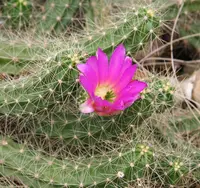
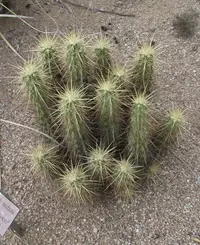
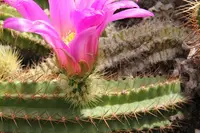
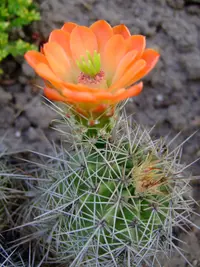
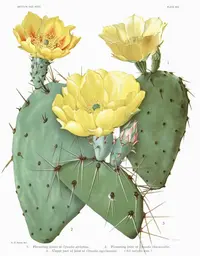
Border pricklypear (Opuntia atrispina) is a clumping desert cactus forming low pads covered with spines and small hairlike bristles called glochids. It typically has flat, rounded pads that branch into dense, spreading mounds with seasonal yellow to orange flowers and later small, often reddish fruits.

This species is native to arid regions of the southwestern United States and northern Mexico, where it thrives in full sun and rocky, fast-draining soils. It is generally tough and drought tolerant, but the spines and glochids require careful handling, which is an important part of learning how to care for border pricklypear.

In suitable dry, sunny conditions, Opuntia atrispina adapts well to low-maintenance landscapes and xeriscapes and can be long lived with minimal intervention.

Main Plant Requirements

Care Difficulty

Easy Care

Light Preference

Full Sun

Water Requirements

Low Water

Temperature Preference

Warm Climate

Hardiness Zone

7–10

Soil Texture

Sandy, Loamy, Rocky

Soil pH

Slightly acidic (6.5–7.0), Slightly alkaline (7.0–7.5)

Soil Drainage

Well-drained

Fertilization

Minimal (feed rarely)

Get Personalized Care Plan

Scan your plant to receive care tips personalized for your specific plant

Available on iOS and Android

How to Care for the border pricklypear

Opuntia atrispina needs strong, direct light to develop sturdy pads and healthy color.

  • Provide 6–10 hours of full sun daily; in very hot regions, give light afternoon shade to reduce pad scorching.
  • Young or recently transplanted border pricklypear benefits from 1–2 weeks of filtered light or morning sun only, then gradual exposure to full sun.
  • In winter, outdoor plants can handle low-angle sun and bright, cool conditions; too much shade causes thin, stretched pads and weak spine development.

This desert cactus prefers thorough but infrequent watering and very fast-draining soil.

  • Water only when the top 5–8 cm of soil are completely dry; in hot active growth, this may mean every 10–21 days, less often in cool weather.
  • Use gritty, free-draining soil on a slope or raised bed so water runs off quickly, reducing the risk of root rot in Opuntia atrispina.
  • Signs of overwatering include soft or yellowing pads and blackened bases, while severe wrinkling and drooping pads indicate the plant has stayed dry too long.

This species is adapted to hot, arid climates but still has clear temperature limits.

  • Ideal growing temperatures are 70–95°F (21–35°C); growth slows above 100°F (38°C) but healthy plants tolerate brief hotter spells if soil is dry.
  • Mature plants often survive short dips to 10–15°F (-12 to -9°C) when dry, but new growth and young plants are safer above 20–25°F (-7 to -4°C).
  • In regions with cold, wet winters, prioritize dryness and good air flow; in extended heat waves above 105°F (41°C), avoid watering during peak heat to prevent root stress.

This cactus handles typical indoor humidity well and rarely needs special adjustment.

  • Target 20–40% humidity, which matches the dry conditions of its native habitat.
  • Border pricklypear tolerates very dry air; concerns arise only with prolonged humidity above 60%.
  • Watch for persistent softness, black spotting, or moldy pads as signs of excess humidity and improve air movement or use a small fan.

Use very fast-draining, mineral-rich soil to prevent root rot in this desert cactus.

  • Choose a gritty mix with 50–70% mineral content such as coarse sand, small gravel, and perlite, with the rest a lean cactus potting mix.
  • Ensure water runs through in seconds and the mix dries completely within a few days to recreate the sharp drainage Opuntia atrispina experiences in habitat.
  • Keep pH slightly acidic to slightly alkaline, around 6.0–7.8, since this species is adapted to calcareous, rocky substrates.
  • Avoid dense peat, clay-heavy garden soil, or mixes holding water like a sponge, as these quickly suffocate roots in low-oxygen conditions.

This species adapts well to container growing when the pot is set up to dry quickly and stay stable.

  • Use a wide, shallow pot so the spreading roots and pads balance the plant’s weight and reduce tipping in wind or accidental bumps.
  • Select unglazed terracotta to increase evaporation from the sides, which helps the gritty mix dry between infrequent waterings.
  • Place heavy gravel or rocks as a top dressing to add weight and stabilize the container while also reducing direct sun on the root zone.

Opuntia atrispina is adapted to low-nutrient soils and needs only light feeding in cultivation.

  • Use a balanced, low-nitrogen cactus fertilizer or very dilute all-purpose liquid feed at 1/4–1/2 strength.
  • Apply once in late spring and again in mid-summer during active growth; avoid feeding outside this period.
  • Skip or greatly reduce feeding in winter dormancy, especially for outdoor plants in poor, native soils.
  • For border pricklypear in pots, ensure the mix is fast draining and rely more on fresh soil than frequent fertilizer.

Pruning Opuntia atrispina is mainly done to manage size, remove damage, and maintain safe, tidy pads.

  • Carry out pruning in late spring or early summer, once the risk of hard frost has passed.
  • Remove dead, shriveled, storm-damaged, or crossing pads to reduce rot and improve air flow.
  • Use long-handled tongs and a sharp, clean knife or pruning saw to cut pads at the joint.
  • Shaping lightens overly tall or spreading clumps and can slightly increase light to inner pads, supporting better flowering.

Container-grown plants and landscape clumps benefit from occasional transplanting when overcrowded or stressed.

  • Check for roots circling the pot drainage holes, soil drying extremely fast, or stalled growth as signs a container plant needs more space.
  • Repot or transplant in late spring, when temperatures are warm and the cactus is entering active growth.
  • For pots, move up only 2–5 cm in diameter, using a gritty cactus mix to limit excess moisture around roots.
  • Wear protective gloves, keep roots as intact as possible, and allow roots to dry 2–3 days before the first light watering to reduce transplant shock.

New plants are most commonly raised from stem pads, with seeds used mainly for larger-scale or genetic diversity.

  • Take healthy pads from Opuntia atrispina in late spring or early summer using clean, sharp tools and tongs.
  • Air-dry cut pads for 5–10 days until a firm callus forms over the wound to reduce rot risk.
  • Set pads upright or slightly buried in a gritty, barely moist cactus mix, then keep warm with bright, indirect light until roots form.
  • For seeds, sow on the surface of well-draining mix, maintain light moisture and warmth, and expect slower, variable germination.

This species is relatively cold tolerant in dry conditions but benefits from thoughtful winter management, especially in wet or very cold climates.

  • Mature plants generally tolerate light freezes, but extended cold with wet soil increases rot risk.
  • In-ground plants in marginal climates benefit from a 5–8 cm layer of gravel or coarse mulch around the base for root insulation.
  • Where winters are wet, consider overhead cover such as a cold frame to keep pads dry while allowing good airflow.
  • Move container plants to a cold, bright, frost-free spot indoors or in a garage, and keep soil almost completely dry.

Care Tips

Pad propagation timing

Take pad cuttings only from fully firm, mature segments in late spring, then air-dry the cut edge for 5–10 days in a shaded, airy spot until a dry callus forms before planting shallowly in gritty mix.

Root zone protection

In cold or wet climates, place a 5–8 cm layer of coarse gravel or crushed rock around the base to keep the crown drier, reduce rot risk, and stabilize the plant in strong winds.

Winter moisture control

If planted outdoors in marginal climates, rig a simple rain shield of clear corrugated plastic over the plant from late fall to early spring to keep excess moisture off pads and roots while still allowing full light.

Pest-safe handling

Use long-handled tongs or folded newspaper to hold pads when inspecting or removing damaged growth so glochids do not enter the skin, which allows more frequent, safe monitoring for scale, mealybugs, and rot.

Container weight management

When growing border pricklypear in a pot, use a heavy, wide container or add a top layer of decorative rock to lower the center of gravity and prevent tall, pad-heavy plants from tipping in wind or when moved.

Common Pests and Diseases

Cochineal scale

This pest appears as white, cottony clusters on pads, often along areoles, and may exude bright red dye when crushed. Symptoms include yellowing pads, reduced growth, and a sooty mold layer developing on the honeydew they secrete.

Solution

Physically remove colonies with a strong jet of water or by wiping pads with cotton soaked in 70% isopropyl alcohol, taking care not to damage the skin. For larger infestations, use a contact insecticidal soap or horticultural oil labeled for cacti, applied in the evening and repeated as needed until new pads emerge clean; improve air movement and avoid overhead watering to reduce humidity that favors scale buildup.

Cactus mealybugs

These insects form small, white, fuzzy clusters at pad joints, in areoles, and around roots, weakening pads as they suck sap. Symptoms include stunted growth, corky scars, and honeydew that can lead to sooty mold.

Solution

Inspect joints and the base of the plant regularly and isolate infested plants. Dab visible mealybugs with 70% isopropyl alcohol on a cotton swab, then follow with insecticidal soap or a light horticultural oil on all pad surfaces, repeating every 7–10 days until no new insects appear; for severe root infestations, unpot, wash roots, remove heavily affected material, and repot in fresh dry mix.

Opuntia stem necrosis

This disease causes dark, sunken or corky lesions on pads that may expand into irregular patches, sometimes with black fruiting bodies on the surface. Symptoms include localized pad collapse and a progressive dry rot rather than soft, mushy tissue.

Solution

Cut out affected pad sections with a sterile knife at least 1–2 cm into healthy tissue, or remove entire pads if lesions are extensive, and discard them in the trash. After pruning, keep pads dry, avoid overhead irrigation, provide strong sunlight and good airflow, and in humid climates consider a preventive copper-based fungicide on neighboring pads at label rates.

Bacterial soft rot

This disease creates water-soaked, foul-smelling, soft areas on pads, often starting at wounds or hail damage sites. Symptoms include rapid tissue collapse and a slimy texture that can spread quickly in warm, wet conditions.

Solution

Immediately cut away all affected tissue into firm, healthy pad area with a sterile blade and dispose of the rotted material away from other cacti. After removal, keep the plant in a dry, bright, well-ventilated spot, avoid water on the pads, and adjust irrigation to a deep but infrequent schedule so pads dry fully between waterings, which is a key part of Opuntia atrispina care.

Spider mites

These pests are tiny and often hard to see, but symptoms include fine stippling, dull or rough-looking pads, and delicate webbing in crevices during hot, dry weather. This pest can cause pads to lose their blue-green color and appear gray or bronzed over time.

Solution

Rinse pads thoroughly with a firm stream of water, especially along edges and joints, then increase ambient humidity slightly without leaving water standing on the pads. For persistent infestations, apply insecticidal soap or a low-toxicity miticide approved for edibles on both sides of pads, repeating every 5–7 days for several cycles, and reduce plant stress by providing full sun, a gritty mix, and proper watering intervals.

Interesting Facts

Dark-spined defense

This species is notable for its very dark brown to nearly black spines, which are denser and more conspicuous than in many related borderland prickly pears, providing strong mechanical protection against browsing animals in its native Texas–Mexico range.

Borderland specialist

It naturally occurs in a relatively narrow band along the Texas–Mexico border on rocky, calcareous soils, where it helps stabilize shallow substrates and forms part of open desert scrub and thorny shrubland communities.

Cold-tolerant cactus

Compared with many lowland desert cacti, this species tolerates short periods of subfreezing temperatures and light snow in parts of west Texas, which makes Opuntia atrispina care feasible in some cooler arid and semi-arid landscapes.

FAQs about border pricklypear

This cactus is highly attractive to pollinators. Its large, bright flowers provide abundant nectar and pollen for native bees, honeybees, and some butterflies. Beetles and other insects may also visit, improving fruit set and seed production.

Grow Healthy Plants with Botan Care

Keep your plants happy and healthy with plant identification, disease detection, and easy care guidance.

Botan plant care app — identify plants on mobile

Explore More Plants