limber honeysuckle Care (Lonicera dioica)

Also known as: Glaucous Honeysuckle, wild honeysuckle
limber honeysuckle

About limber honeysuckle

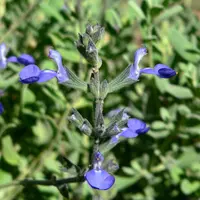
Limber honeysuckle, Lonicera dioica, is a deciduous climbing vine or scrambling shrub native to woodlands and thickets across much of North America. It often twines through other vegetation, forming flexible, arching stems.

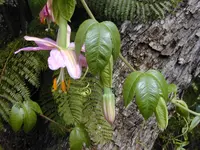
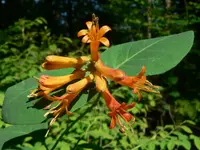
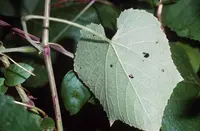
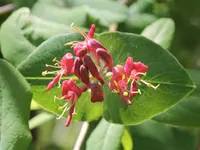
The plant typically bears blue-green leaves and tubular flowers in yellow, orange, or reddish tones, followed by showy clusters of red berries. Its vigorous growth and adaptability make it relatively easy to establish in many garden settings.

It prefers sun to partial shade, evenly moist but well-drained soil, and benefits from a support structure. Understanding how to care for limber honeysuckle helps keep it manageable and healthy in home landscapes.

Main Plant Requirements

Care Difficulty

Easy Care

Light Preference

Partial Sun

Water Requirements

Moderate Water

Temperature Preference

Cold Hardy

Hardiness Zone

3–7

Soil Texture

Sandy, Loamy, Clay

Soil pH

Acidic (5.5–6.5), Slightly acidic (6.5–7.0)

Soil Drainage

Moist but well-drained

Fertilization

Minimal (feed rarely)

Get Personalized Care Plan

Scan your plant to receive care tips personalized for your specific plant

Available on iOS and Android

How to Care for the limber honeysuckle

This twining vine prefers bright conditions but can adapt to a range of outdoor light exposures.

  • Provide 4–6 hours of direct sun daily, ideally with morning sun and light afternoon shade, especially in hotter regions.
  • Allow partial shade, such as dappled light under open trees; flowering of limber honeysuckle decreases in deep shade over time.
  • In hot summers, protect from intense west-facing afternoon sun to reduce leaf scorch and moisture stress, particularly in dry, exposed sites.

This species prefers consistently moist but not waterlogged soil once established outdoors.

  • Water when the top 3–5 cm of soil feels dry, applying a slow, deep soak so moisture reaches the root zone rather than frequent shallow splashes.
  • Ensure soil drains freely; standing water, a sour smell, yellowing lower leaves, and soft stems suggest overwatering, especially in heavy clay.
  • During hot, dry spells, increase watering frequency; in cool or rainy seasons, reduce watering and rely more on natural rainfall for Lonicera dioica.

This hardy vine tolerates a wide temperature range typical of temperate climates.

  • Optimal active growth occurs around 60–75°F (16–24°C), with strong shoot and leaf development during spring and early summer.
  • Mature plants tolerate winter lows near -30°F (-34°C) when planted in the ground, entering true dormancy and resprouting in spring.
  • In summer, it copes with short periods up to about 90–95°F (32–35°C) if soil stays moist; mulch helps buffer roots from extreme heat and cold swings.

Humidity plays a minor role for this hardy, outdoor climbing shrub.

This species prefers moist, well-structured mineral soil that does not stay waterlogged.

  • Use loamy soil with moderate organic matter, such as a mix of garden loam, compost, and coarse sand for structure.
  • Aim for slightly acidic to neutral pH around 6.0–7.0, avoiding highly alkaline or strongly acidic sites.
  • Improve drainage and aeration in heavier clay by incorporating coarse sand or fine gravel through the top 20–30 cm.
  • Avoid compacted, constantly saturated areas; roots need oxygen and prolonged flooding increases risk of rot.

This species can be grown in containers for patios or small gardens if the pot is large and stable.

  • Choose a deep, heavy container at least 40–50 cm wide to support extensive roots and prevent tipping as vines climb.
  • Use a trellis or other fixed support anchored in the pot to keep vertical growth stable in wind.
  • Select thicker-walled clay or concrete pots in hot climates to reduce overheating and uneven moisture loss.

This native vine usually manages with minimal feeding in average garden soil.

  • Apply a light layer of compost or well-rotted manure around the root zone in early spring for limber honeysuckle.
  • Use a balanced slow-release fertilizer (around 10-10-10) once in spring if growth or flowering seems weak.
  • Dilute liquid fertilizers to 50% strength to prevent salt buildup and root burn.
  • Avoid feeding in late fall and winter when the plant is dormant.

Thoughtful pruning keeps Lonicera dioica flowering well and within bounds.

  • Time main pruning for late winter or very early spring, before new growth starts.
  • Remove dead, diseased, or damaged stems first using clean, sharp bypass pruners.
  • Thin out crowded, tangled shoots to improve light penetration and air movement.
  • Shorten overly long vines to maintain structure and support vigorous new flowering growth.

This twining honeysuckle is typically grown in the ground and only occasionally in containers.

  • Plan transplanting for early spring or early fall, when temperatures are mild and moisture is reliable.
  • Look for signs such as circling roots, water running off quickly, or stalled growth in containers.
  • Move the plant with as much root ball as possible and set it at the same soil level in a larger hole or pot.
  • Water thoroughly after transplanting, then keep soil evenly moist and shaded for 1–2 weeks to limit root stress.

Lonicera dioica is commonly propagated by cuttings, layering, or seed in home gardens.

  • Take 10–15 cm softwood cuttings in late spring to early summer and root them in moist, free-draining medium.
  • Provide bright, indirect light and high humidity for cuttings until new growth appears.
  • Use simple layering by pinning a low, flexible stem to the soil and severing it after roots form.
  • Sow fresh seed in fall or cold-stratify stored seed for 2–3 months before spring sowing.

This hardy honeysuckle usually requires very little winter care in most temperate climates.

  • The root system tolerates typical freezes in USDA zones where it is native.
  • Apply a 5–8 cm mulch layer around the base in late fall to moderate soil temperature and moisture.
  • Leave stems in place over winter; remove only dead or broken growth at the end of the season.
  • For container plants in colder areas, move pots to a sheltered, unheated but frost-sheltered spot.

Care Tips

Early vine training

Install a sturdy trellis, wire, or fence before planting, then loosely tie new shoots horizontally along it during the first 1–2 seasons to create a dense, well-structured framework that flowers more evenly.

Layering for propagation

In late spring, pin a flexible low stem to the soil with a U-shaped wire and lightly cover it with compost, then sever and transplant the rooted section after 1 season to clone strong plants adapted to your site.

Wildlife-friendly spacing

Plant vines with enough open structure and a nearby shrub or small tree so birds can perch and move between cover and the honeysuckle, improving pollination and berry set.

Targeted pest scouting

Starting in mid-spring, inspect shoot tips and leaf undersides weekly for aphids and leafrollers, and prune out or hose off localized infestations early to avoid heavy insecticide use while still protecting growth.

Winter structure check

During winter dormancy, inspect and gently adjust or replace supports, remove any crossing or rubbing stems, and secure main canes so the plant is ready for vigorous new shoots when growing limber honeysuckle in spring.

Common Pests and Diseases

Honeysuckle aphids

This pest feeds on young shoots and leaf undersides, causing curling, yellowing, and sticky honeydew that can support sooty mold growth.

Solution

Prune out heavily infested shoot tips, then wash remaining foliage thoroughly with a strong but controlled stream of water every few days; if needed, apply insecticidal soap or a light horticultural oil, making sure to cover leaf undersides and repeating according to label directions while protecting beneficial insects whenever possible.

Honeysuckle leafroller

This pest rolls and ties leaves with silk, feeding inside the shelter and creating distorted, browned foliage and sparse new growth on vines.

Solution

Hand-remove and destroy rolled leaves containing larvae as soon as they appear, and encourage natural predators by minimizing broad-spectrum insecticides; severe, recurring infestations can be suppressed with a targeted Bacillus thuringiensis (Bt) spray timed for young larvae, applied in the evening and repeated as the label directs.

Honeysuckle blight

This disease causes sudden wilting, blackening, and dieback of young shoots, often starting near the tips and moving down the stem in warm, humid weather.

Solution

Cut back affected stems 10–15 cm into healthy tissue and dispose of prunings, then improve air circulation by thinning crowded growth and avoid overhead watering; where the problem recurs, apply a labeled copper or other fungicide in early spring at bud break and repeat during prolonged wet periods as directed.

Powdery mildew

This disease produces white to gray powdery patches on upper leaf surfaces, which may lead to premature yellowing and leaf drop in late summer.

Solution

Increase airflow by spacing and selective pruning, avoid wetting foliage, and promptly remove heavily infected leaves; if needed, use a labeled horticultural oil, sulfur, or other powdery mildew fungicide, applied in cool parts of the day and repeated as recommended in comprehensive Lonicera dioica care instructions.

Scale insects

These insects appear as small, immobile bumps on stems and sometimes leaves, sucking sap and weakening vines while excreting honeydew that may attract ants.

Solution

Gently scrape small colonies off with a fingernail or soft brush, then treat remaining infestations with horticultural oil during the dormant season or as a summer oil on actively growing plants, ensuring thorough coverage of stems and repeating treatments as the label allows until new growth emerges clean.

Interesting Facts

Unusual paired flowers

The flowers are produced in tight whorls around the stem, with each pair of tubular blooms joined at the base, creating a distinctive cup-like structure that helps pool nectar for pollinators.

Bright but non-fragrant

Unlike many honeysuckles, this species has showy red to orange flowers that attract hummingbirds visually but typically lack the strong sweet scent associated with other honeysuckle species.

Sex expression variation

The species name dioica refers to plants having male and female flowers on separate individuals in some populations, yet in reality the species can also produce flowers with both male and female organs on the same plant, showing flexible reproductive biology.

Botan icon

Did you know?

In parts of its native range in North America, this vine tends to climb low shrubs and small trees rather than forming dense thickets, so it often functions as a delicate mid-layer in natural woodland and thicket edges rather than a dominant canopy climber.

FAQs about limber honeysuckle

This vine offers tubular spring flowers rich in nectar, which strongly attract hummingbirds, native bees, and some butterflies. Later, its berries provide food for birds, so it is valuable for wildlife-focused plantings and naturalistic gardens.

Grow Healthy Plants with Botan Care

Keep your plants happy and healthy with plant identification, disease detection, and easy care guidance.


Botan plant care app — identify plants on mobile

Explore More Plants