Layering Propagation
Use low, flexible stems and peg them into shallow trenches with the tip exposed; after 1–2 seasons, once roots form along the buried section, sever and transplant to expand a groundcovering colony.

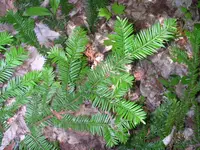
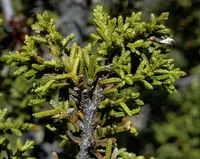
Canadian yew, Taxus canadensis, is a low, spreading coniferous shrub native to cool, moist forests of northeastern North America. It forms dense mats of flexible branches with flat, dark green needles. Growth is typically slow, and plants stay compact, which makes them useful for shade borders and naturalistic plantings. This species prefers cool conditions, evenly moist but well-drained soil, and protection from harsh, drying winds. It tolerates deep shade better than many evergreens, but struggles in hot, exposed sites. These traits make it relatively easy to grow in the right climate, but less forgiving in areas with hot summers, which influences how to care for Canadian Yew.

Care Difficulty
Moderate Care

Light Preference
Partial Shade

Water Requirements
Moderate Water

Temperature Preference
Cold Hardy

Hardiness Zone
2–6

Soil Texture
Loamy, Sandy, Organic-rich

Soil pH
Acidic (5.5–6.5), Slightly acidic (6.5–7.0)

Soil Drainage
Moist but well-drained

Fertilization
Minimal (feed rarely)
Scan your plant to receive care tips personalized for your specific plant
Available on iOS and Android
This shade-tolerant conifer thrives in cool, filtered light conditions at woodland edges or understory sites.
This species prefers consistently moist, cool soil but is sensitive to standing water.
This cold-hardy shrub is adapted to cool climates with long winters and mild to warm summers.
Humidity is rarely a limiting factor for this species in typical outdoor conditions.
Taxus canadensis prefers cool, moist, well-aerated soil with reliable drainage.
This species can be grown in containers, but long-term success requires careful attention to root space and moisture management.
This native conifer usually grows well in average soil and needs only light feeding for healthy growth.
Pruning supports dense, healthy structure in Taxus canadensis without requiring heavy shaping.
This species is most often grown in the ground, so focus on careful transplanting rather than frequent repotting.
Propagation of this yew is most reliable from cuttings, with seeds used mainly for longer-term projects.
This cold-hardy species usually needs minimal winter care once established in the landscape.

Plant Health Check
Not sure what's wrong with your plant? Check your plant's health inside the app.
This species is naturally adapted to low, filtered light in cool, moist conifer and mixed forests across eastern Canada and the northern US, forming dense, low thickets rather than tall trees.
Stems often bend to the ground and root where they touch moist soil, creating spreading mats that can persist for many decades and help stabilize shaded forest floors.
Its flexible, low-growing branches tolerate heavy snow load, allowing the plant to bend rather than break and making it well suited to cold, snowy climates.

Native populations of this species have declined in several areas because deer selectively browse its foliage in winter, while the plant’s slow growth and shade-adapted nature make it slow to recover from chronic overbrowsing.
Browning foliage often results from winter windburn, salt exposure, root damage, or prolonged drought. Check for dry or compacted soil, road-salt splash, and recent root disturbance. Prune dead tips in late spring and improve soil moisture consistency.
Keep your plants happy and healthy with plant identification, disease detection, and easy care guidance.