Allium wallichii Care

Allium wallichii

About Allium wallichii

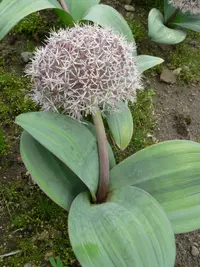
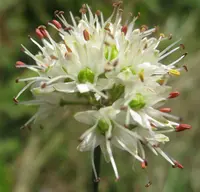
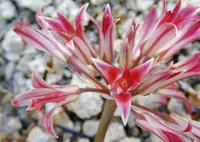
Allium wallichii is a bulb-forming perennial in the onion family, valued for its upright clumps of narrow leaves and showy clusters of purple to reddish flowers. It typically produces tall, slender flowering stems that rise above the foliage, creating a light, airy effect in mixed borders or naturalistic plantings.

This species is native to the Himalayas, where it grows in cool, moist mountain habitats, often in open meadows or rocky slopes. It is generally considered hardy and adaptable, though it performs best in well-drained soil with regular moisture and good light.

Gardeners who learn how to care for Allium wallichii usually find it a reliable ornamental for temperate climates, especially where summers are not extremely hot or dry.

Main Plant Requirements

Care Difficulty

Moderate Care

Light Preference

Full Sun

Water Requirements

Moderate Water

Temperature Preference

Cold Hardy

Hardiness Zone

5–8

Soil Texture

Loamy, Sandy, Organic-rich

Soil pH

Acidic (5.5–6.5), Slightly acidic (6.5–7.0)

Soil Drainage

Moist but well-drained

Fertilization

Minimal (feed rarely)

Get Personalized Care Plan

Scan your plant to receive care tips personalized for your specific plant

Available on iOS and Android

How to Care for the Allium wallichii

This mountain onion prefers bright, cool conditions with several hours of direct sun in the garden.

  • Provide 4–6 hours of direct sun daily, ideally morning to early afternoon, with light shade during the hottest mid-afternoon in summer.
  • Tolerates partial shade, but flowering decreases if it receives less than about 3–4 hours of direct sun; stems may stretch and lean toward the light.
  • In hotter regions, plant where it gets morning sun and dappled or filtered light after 2–3 p.m. to reduce leaf scorch and soil drying for Allium wallichii.

This bulb prefers consistent moisture in freely draining soil, without remaining waterlogged.

  • Water when the top 3–5 cm of soil feels dry, aiming for evenly moist but not saturated soil during active growth and flowering.
  • Use well-drained, humus-rich soil; prolonged puddling, a sour smell, or soft bulbs indicate overwatering and risk of rot.
  • Reduce watering once foliage starts yellowing in late season, allowing the soil to dry more between rains while bulbs go dormant, then increase again with new growth.

This high-elevation Allium handles cool conditions but grows best in moderate temperatures.

  • Optimal growth occurs around 55–70°F (13–21°C), with strong foliage and flower production in cool to mild summers.
  • The bulbs tolerate winter cold down to about 0°F (-18°C) in well-drained soil; mulch lightly in very exposed or freeze–thaw prone sites.
  • In hot summers above 85°F (29°C), growth may slow; provide soil mulch and some afternoon shade to keep roots cooler and reduce stress.

This species tolerates a wide humidity range but benefits from moderately moist air.

  • Aim for 40–60% humidity, similar to most heated homes, without deliberate high-humidity setups.
  • Dry air is usually tolerated, but leaf tips browning or curling can indicate combined drought and low humidity stress.
  • Increase humidity locally by grouping pots together and placing them away from strong drying drafts or heating vents.

This bulb prefers loose, well-drained, humus-rich soil that stays evenly moist without waterlogging.

  • Use a loamy mix composed of roughly 50% garden soil or commercial mix, 30% compost, and 20% coarse sand or fine grit for structure.
  • Ensure sharp drainage; water should drain from the planting area or pot within a few seconds, not pool around the bulbs.
  • Keep pH slightly acidic to neutral, around 6.0–7.0, which supports nutrient uptake for Allium wallichii.
  • Avoid compacted clay, heavy peat-only mixes, or spots where spring snowmelt or rain keeps the soil saturated.

This species is suitable for container growing outdoors when the pot is deep and drains quickly.

  • Choose a pot deep enough to place bulbs at least 10–15 cm below the rim so roots and stems have stable support.
  • Use a heavy or wide-based container in windy sites to prevent tall flowering stems from tipping the pot.
  • Line the bottom with a shallow layer of coarse grit over the drainage holes to prevent mix loss while keeping out stagnant water.

This mountain onion benefits from light, targeted feeding during the active growing season.

  • Apply a balanced NPK granular or slow-release fertilizer at 1⁄2 strength in early spring as new shoots appear.
  • Top-dress with a thin layer of compost once per year to improve soil structure and gentle nutrient supply.
  • Feed container-grown Allium wallichii every 4–6 weeks in spring–summer with diluted liquid fertilizer.
  • Stop feeding by late summer so bulbs can harden off and enter dormancy without soft, frost-prone growth.

This bulbous perennial needs only simple, seasonal pruning to stay healthy and tidy.

  • In late summer or autumn, cut back yellowing or dead foliage at the base with clean hand pruners or scissors.
  • Remove damaged or diseased leaves as soon as noticed to reduce fungal issues and improve airflow.
  • Deadhead spent flower stalks after blooming to prevent unwanted self-seeding and focus energy back into the bulbs.
  • Thin crowded clumps every few years, which indirectly renews Allium wallichii vigor and flowering quality.

This species is usually grown in the ground, with transplanting focused on dividing and resetting clumps.

  • Plan division and transplanting in late summer to early autumn, after foliage has died back and bulbs are dormant.
  • Lift congested clumps every 3–4 years when flowering declines or growth becomes crowded.
  • Gently shake off soil, separate bulbs by hand with minimal damage to roots, and discard any soft or diseased bulbs.
  • Replant bulbs at the same depth in well-drained soil, water lightly, and keep evenly moist until roots re-establish.

This ornamental onion is commonly propagated by division, with seed used mainly for larger-scale growing.

  • Divide mature clumps in late summer or early autumn when the plant is dormant and foliage has withered.
  • Lift the clump, separate offsets from parent bulbs, and replant immediately at the same depth and spacing.
  • For seeds, sow fresh in trays with gritty, well-drained mix and provide cool conditions to encourage germination.
  • Maintain even moisture, bright light, and good airflow around young plants to ensure strong establishment of Allium wallichii.

This hardy bulb is generally cold tolerant, but light winter care improves long-term performance in many climates.

  • In cold regions, apply a 5–7 cm layer of mulch over the root zone after the ground cools but before hard freezes.
  • Use straw, shredded leaves, or bark to insulate bulbs while still allowing drainage and preventing waterlogging.
  • In containers, move pots to a sheltered, unheated but frost-free spot to avoid repeated freeze–thaw cycles.
  • Remove or thin mulch in early spring so emerging shoots are not smothered or excessively damp.

Care Tips

Use light staking

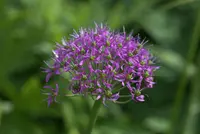
In exposed or windy sites, place thin bamboo canes and loosely tie the flowering stems with soft garden ties to prevent lodging and keep the tall umbels upright for better display and seed set.

Deadhead with timing

Remove spent flower heads promptly if you want to conserve the plant’s energy for bulb growth, but leave a few to mature if you plan to collect seed for propagating and growing Allium wallichii in new areas of the bed.

Bulb clump renewal

Every 3–4 years, lift and divide congested clumps in late summer after foliage dies back, replanting only the firm, healthy bulbs to maintain strong flowering and reduce disease pressure.

Autumn mulch strategy

Apply a 3–5 cm layer of airy organic mulch in autumn, keeping it slightly away from the crown, to protect bulbs from freeze–thaw cycles while still allowing good drainage around the neck of the bulb.

Monitor for onion pests

Inspect foliage and bulb necks regularly for signs of allium leaf miner, onion fly, or thrips, and remove and destroy affected leaves or bulbs early to prevent spread through the planting.

Common Pests and Diseases

Onion thrips

This pest feeds by rasping and sucking sap from leaves and flower stalks, leading to silvery streaks, fine speckling, and distorted foliage. Symptoms include reduced vigor and poor flowering, especially in hot, dry weather.

Solution

Reduce plant stress with regular watering in dry periods, then inspect foliage closely and rinse plants with a firm stream of water to dislodge insects. If populations remain high, use a targeted insecticidal soap or neem oil, spraying the undersides of leaves and repeating at 5–7 day intervals while also removing heavily damaged foliage to limit hiding places.

Allium leaf miner

This pest is a small fly whose larvae tunnel inside leaves and stems, causing twisting, wilted tips, and white or brown mining tracks that weaken the plant. Symptoms include collapsed flower stems and rotting at the leaf bases where larvae feed and pupate.

Solution

Protect plants with fine insect mesh or row covers during the main adult flight periods in spring and fall, making sure the edges are well sealed. Remove and destroy affected foliage and bulbs after flowering, rotate planting areas each year if growing Allium wallichii in beds, and in regions with heavy pressure consider delaying planting so growth does not coincide with peak fly activity.

Downy mildew

This disease causes pale yellow patches and streaks on leaves that later turn brown, often with a fuzzy gray or violet growth on the undersides in humid conditions. Symptoms include premature leaf collapse, which reduces bulb strength and flower production.

Solution

Space plants to improve airflow, water at soil level instead of overhead, and remove infected leaves as soon as they are noticed. In areas with recurring issues, avoid overhead irrigation in the evening, rotate alliums with non-allium crops, and use a copper-based or other labeled downy mildew fungicide preventively when cool, wet weather is forecast.

Botrytis leaf blight

This disease produces small, water-soaked spots on leaves that expand into tan lesions with a soft, sometimes fuzzy gray mold under humid, cool conditions. Symptoms include progressive leaf dieback from the tips downward, weakening clumps over time.

Solution

Promptly remove and discard affected leaves and any plant debris around the base to reduce spore sources, and avoid wetting the foliage late in the day. Improve spacing and airflow, and where botrytis has been a recurring issue, apply a labeled foliar fungicide at the first sign of spotting, especially in prolonged cool, damp weather.

Bulb nematodes

These microscopic worms invade bulbs and basal plates, causing swollen, soft, misshapen tissue and stunted, yellowed growth above ground. Symptoms include poor emergence in spring and bulbs that split or develop dry, spongy patches when lifted.

Solution

Discard all suspicious or damaged bulbs and never compost them, then replant only firm, healthy bulbs sourced from reputable suppliers. Avoid replanting alliums in the same spot for several years, improve drainage, and in garden beds that have shown nematode problems, consider solarizing the soil in summer and growing Allium wallichii in clean containers for several seasons to break the cycle.

Interesting Facts

High Himalayan native

This species is naturally distributed in the eastern Himalayas and surrounding mountain ranges, typically growing on moist slopes, forest margins, and alpine meadows at high elevations.

Late-season flowering

Unlike many ornamental onions that bloom in late spring or early summer, it usually flowers from late summer into autumn, extending the season of nectar for pollinators in cool climates.

Distinctive garlic scent

When leaves or bulbs are crushed, the plant releases a noticeable garlic-like smell typical for Allium species, which comes from sulfur-containing compounds such as allyl sulfides.

Botan icon

Did you know?

Himalayan communities sometimes use the leaves and scapes of this species as a minor wild or home-garden vegetable, adding a mild onion flavor to local dishes, although it is not a major cultivated crop compared to other edible Allium species.

FAQs about Allium wallichii

Lack of flowering often relates to insufficient light, overly rich nitrogen fertilizer, or bulbs planted too shallow or crowded. Ensure full sun, moderate fertility, and divide congested clumps every few years to restore flowering.

Grow Healthy Plants with Botan Care

Keep your plants happy and healthy with plant identification, disease detection, and easy care guidance.

Botan plant care app — identify plants on mobile

Explore More Plants